



Tourism is entering a new era, one where success is measured not simply by how many people visit, but by the value those journeys create for destinations and their communities. For Sarawak, that shift is at the heart of its tourism vision.
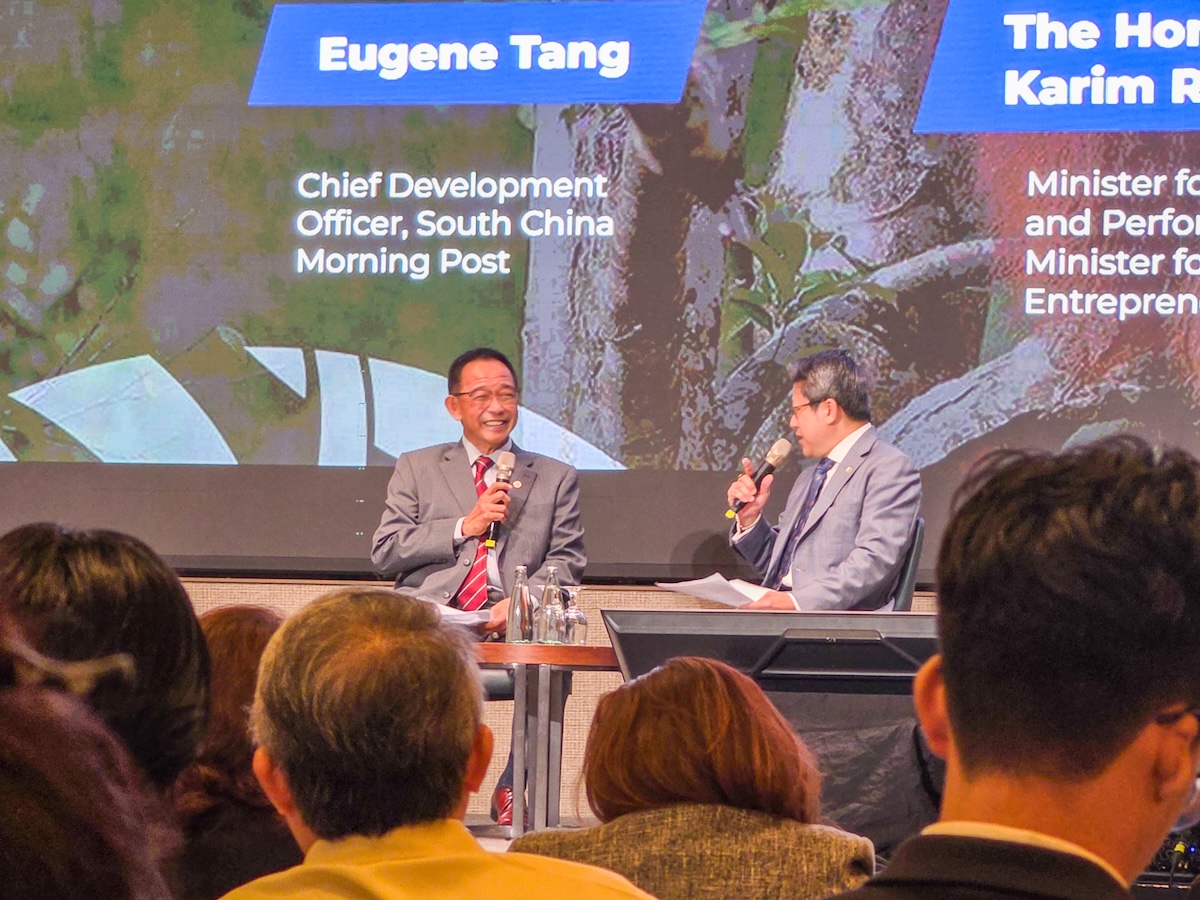
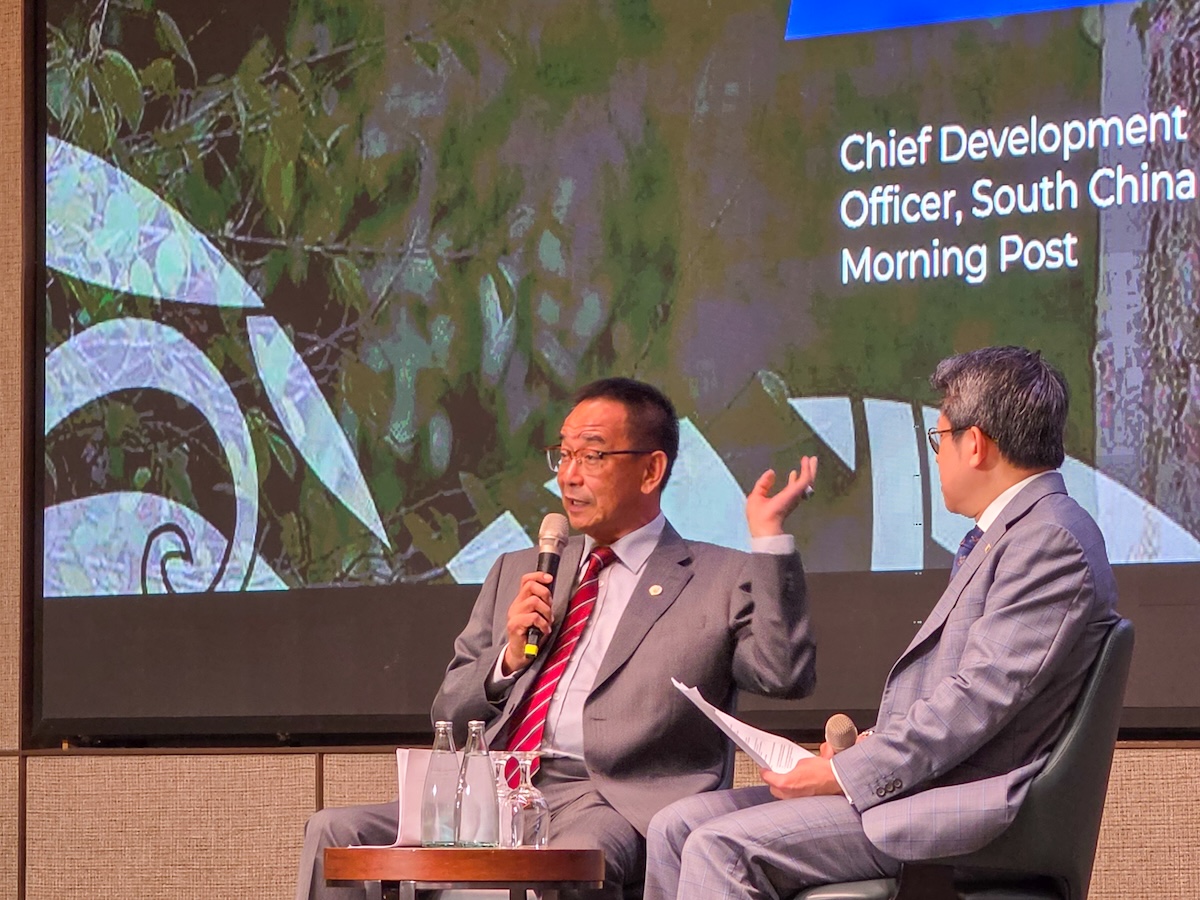
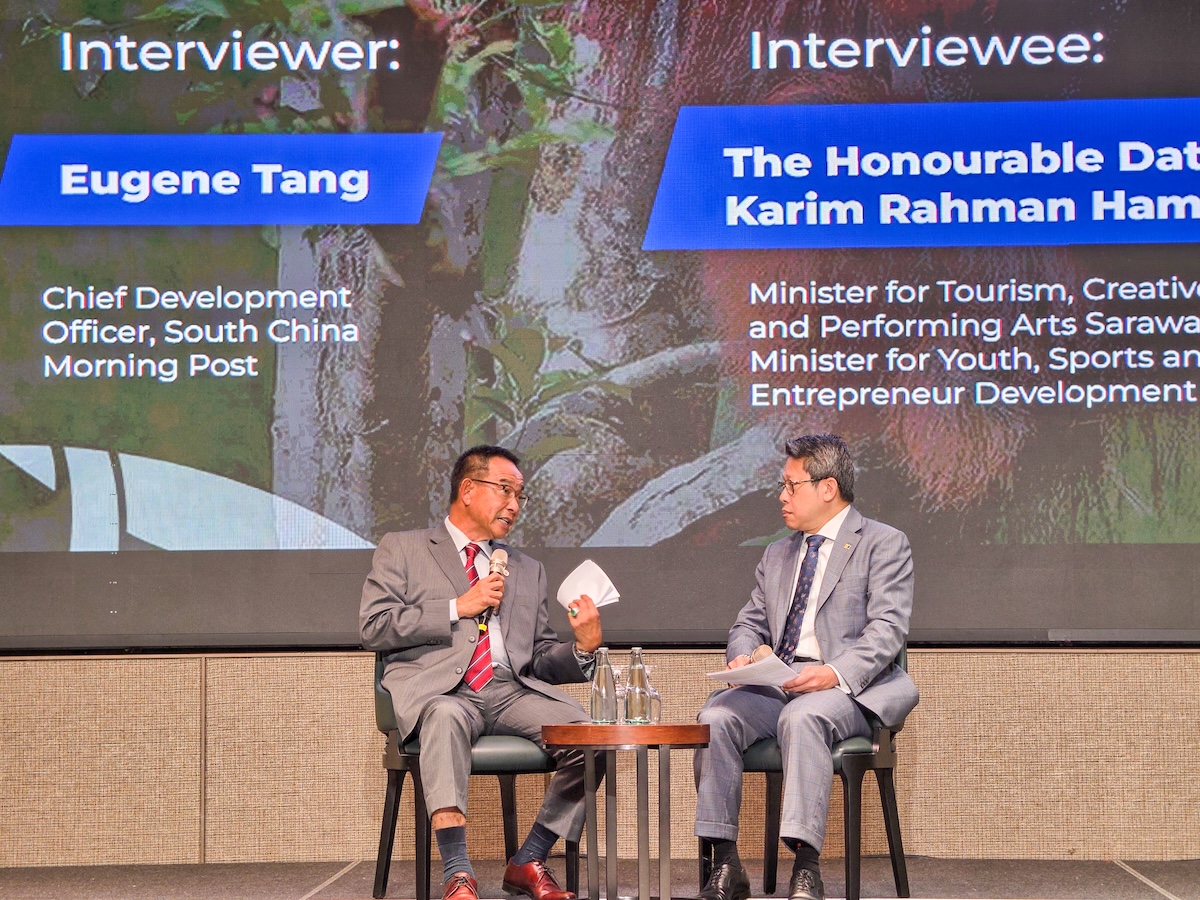
Speaking at PATA Travel Mart 2026, Dato Sri Abdul Karim Rahman Hamzah, Minister of Tourism, Creative Industry & Performing Arts, Sarawak, shared a vision of tourism rooted in meaningful experiences, stronger partnerships and long-term sustainability.
“Tourism is no longer measured by the number of visitors that are coming, but also by the value that tourism creates for economies, communities, culture, as well as the environment.”
Growing Tourism, Creating Value, Preserving Sarawak
Growth with Meaning
Sarawak may be targeting five million visitor arrivals, but the ambition goes beyond reaching a number. The state wants to attract travellers who genuinely appreciate its landscapes, cultures and communities, while ensuring that tourism creates meaningful economic opportunities at the local level.
With 34 ethnic communities, Sarawak possesses an extraordinary cultural diversity, reflected in its traditions, food, crafts and ways of life. For the Minister, this diversity is not simply a tourism product; it is a living identity that must be valued and preserved.
“The benefits of tourism must work both ways,” he emphasised, highlighting the importance of ensuring that local communities gain livelihoods and opportunities from the visitors who come to experience Sarawak.
From indigenous crafts and rural products to cultural experiences, tourism can create a direct connection between visitors and the communities that make Sarawak distinctive.
Connecting Sarawak to the Region
Partnerships are equally central to Sarawak’s growth strategy, particularly when it comes to connectivity.
The state is strengthening regional links through air connectivity, its own airline and tourism and trade offices in key markets. These efforts are designed not only to bring visitors directly to Sarawak, but also to position the state as the Gateway to Borneo.
The strategy reflects a broader understanding of partnership, one that extends beyond tourism operators to airlines, governments, neighbouring destinations, businesses and communities.
Culture as a Living Experience
For today’s traveller, authentic experiences increasingly matter. Sarawak’s cultural diversity therefore becomes one of its strongest assets.
From the Borneo Cultures Museum to indigenous traditions, crafts and cuisine, the state is creating opportunities for visitors to experience culture while strengthening the communities that preserve it.
Food is another powerful gateway.
With Kuching recognised as a UNESCO Creative City of Gastronomy, Sarawak’s culinary identity has become an increasingly important part of its tourism proposition. And for anyone visiting the state, the message is simple: don’t leave without trying Sarawak Laksa.
Sustainability Beyond the Slogan
Purposeful tourism, however, cannot exist without sustainability.
For Sarawak, sustainability is increasingly being integrated into tourism activities and events. Initiatives such as reducing single-use plastic at festivals and directing part of event proceeds towards tree planting demonstrate how sustainability can move from policy statements into practical action.
For the Minister, responsibility ultimately rests with today’s leaders to ensure that the destinations and experiences being promoted today remain protected for future generations.
Shaping What Comes Next
Sarawak’s tourism vision is therefore not simply about attracting more visitors. It is about creating more meaningful value, for travellers, businesses, communities, culture and the environment.
And perhaps that is the essence of purposeful growth: ensuring that tourism does more than bring people to a destination. It leaves the destination stronger because they came.
As Sarawak continues to strengthen its partnerships, expand connectivity and showcase its rich cultural and natural heritage, the state is positioning itself for a new chapter in Asia-Pacific tourism, one where growth and responsibility move forward together.