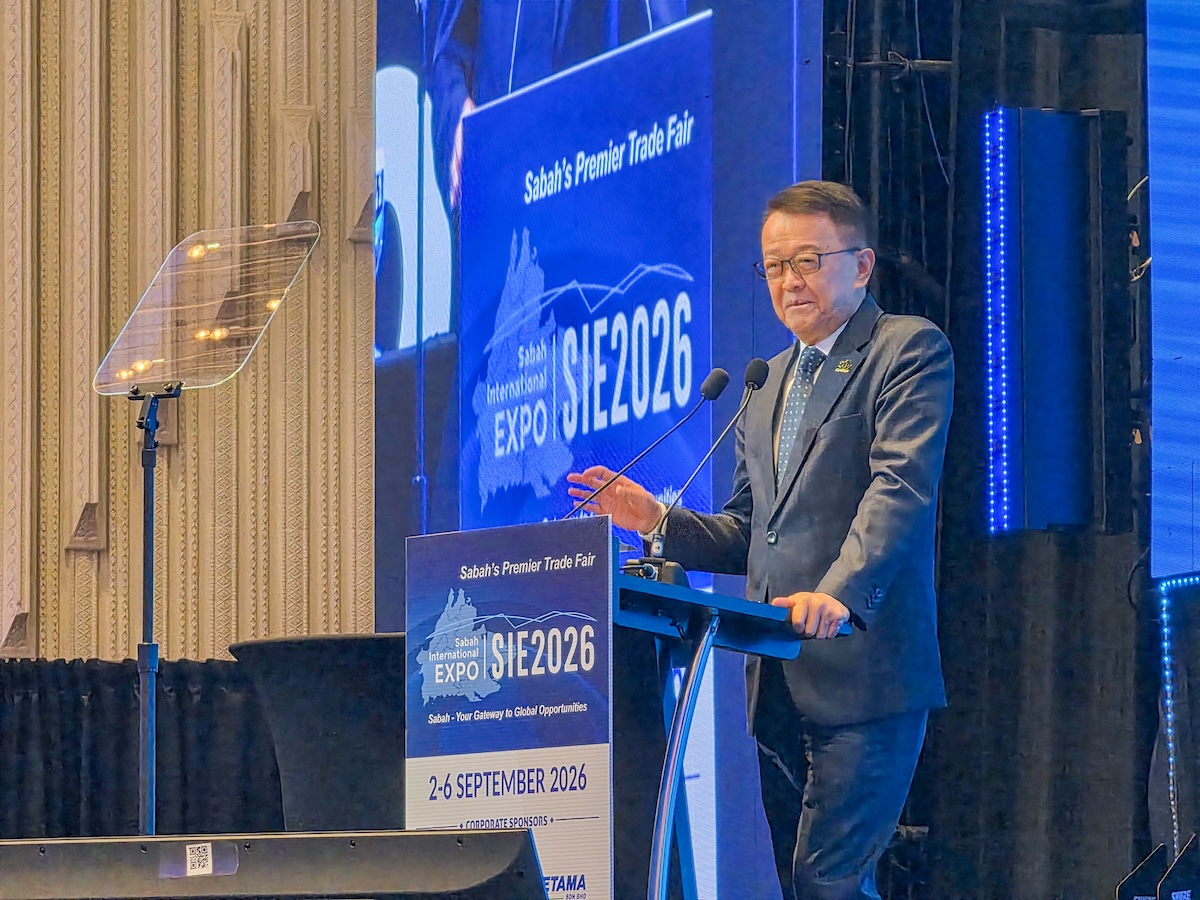
For Tan Sri Dato’ Seri Dr Sir Jeffrey Cheah, the journey from a young accountant with no business experience to the founder of a RM76 billion conglomerate was never a straight path. It was a journey shaped by ambition, setbacks, resilience and, ultimately, a deep conviction that business should serve a purpose beyond profit.
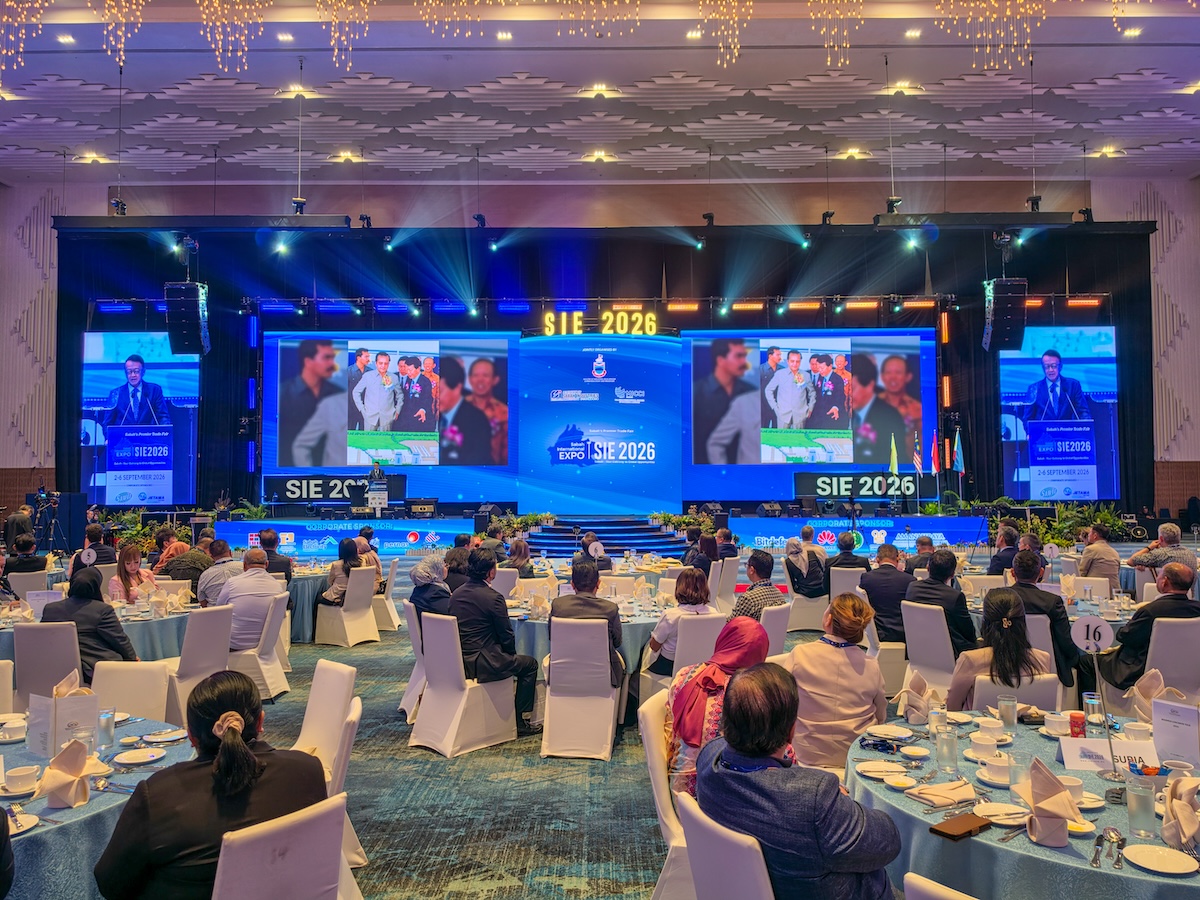
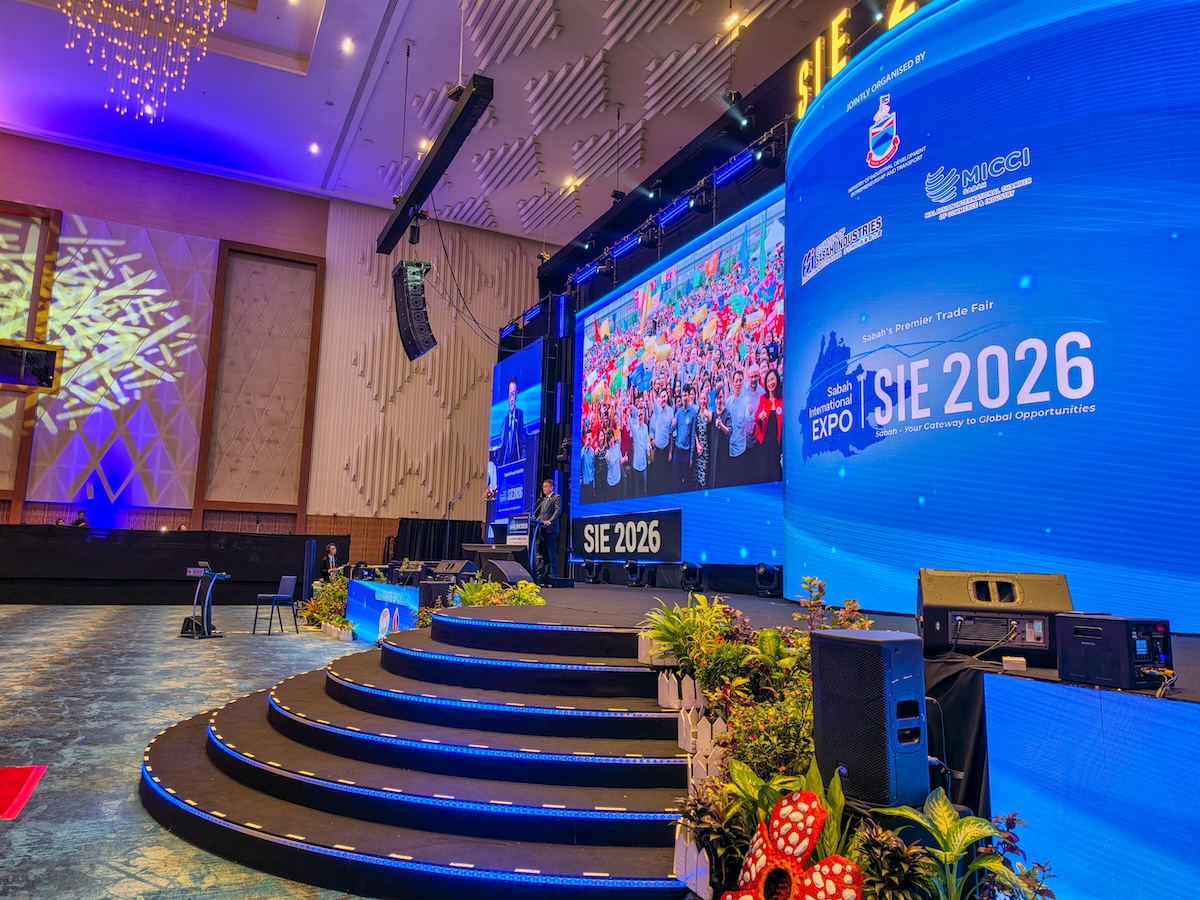
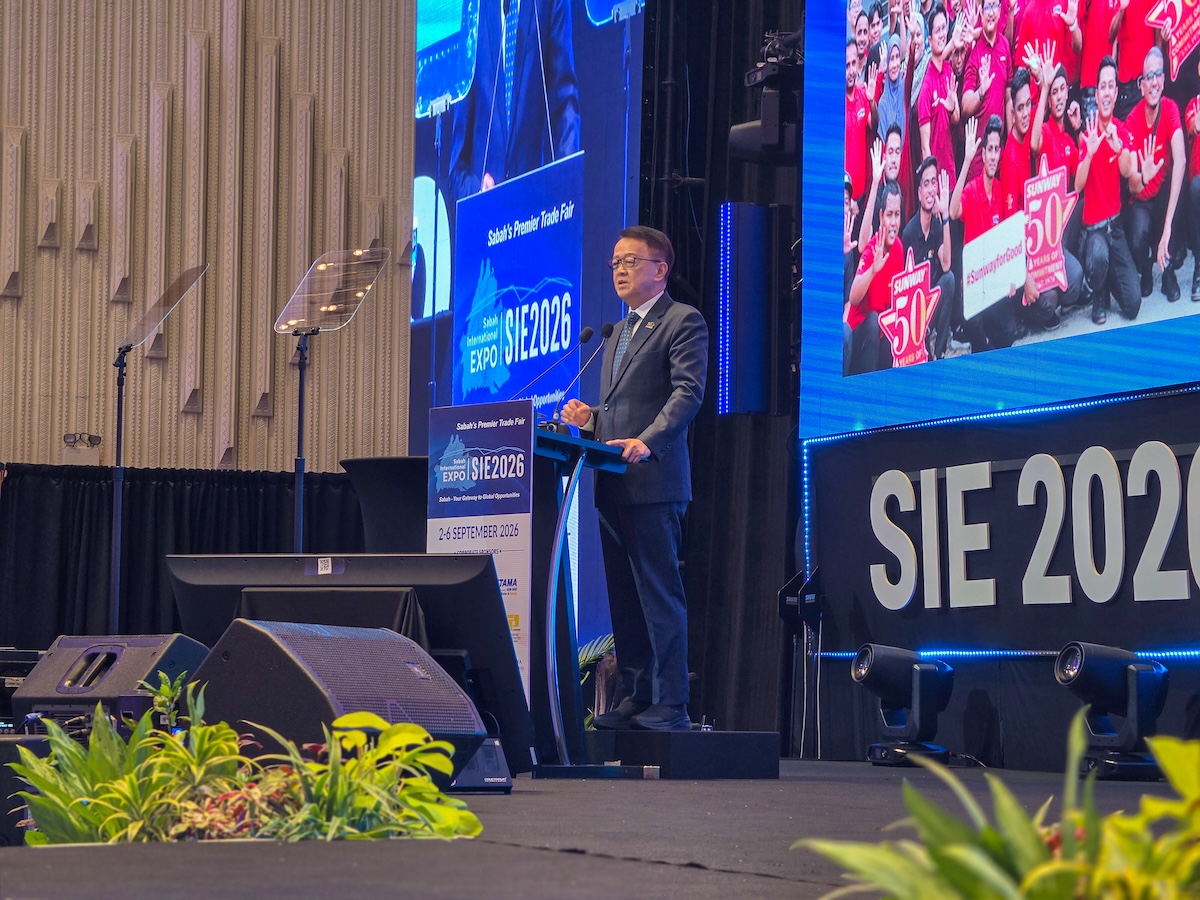
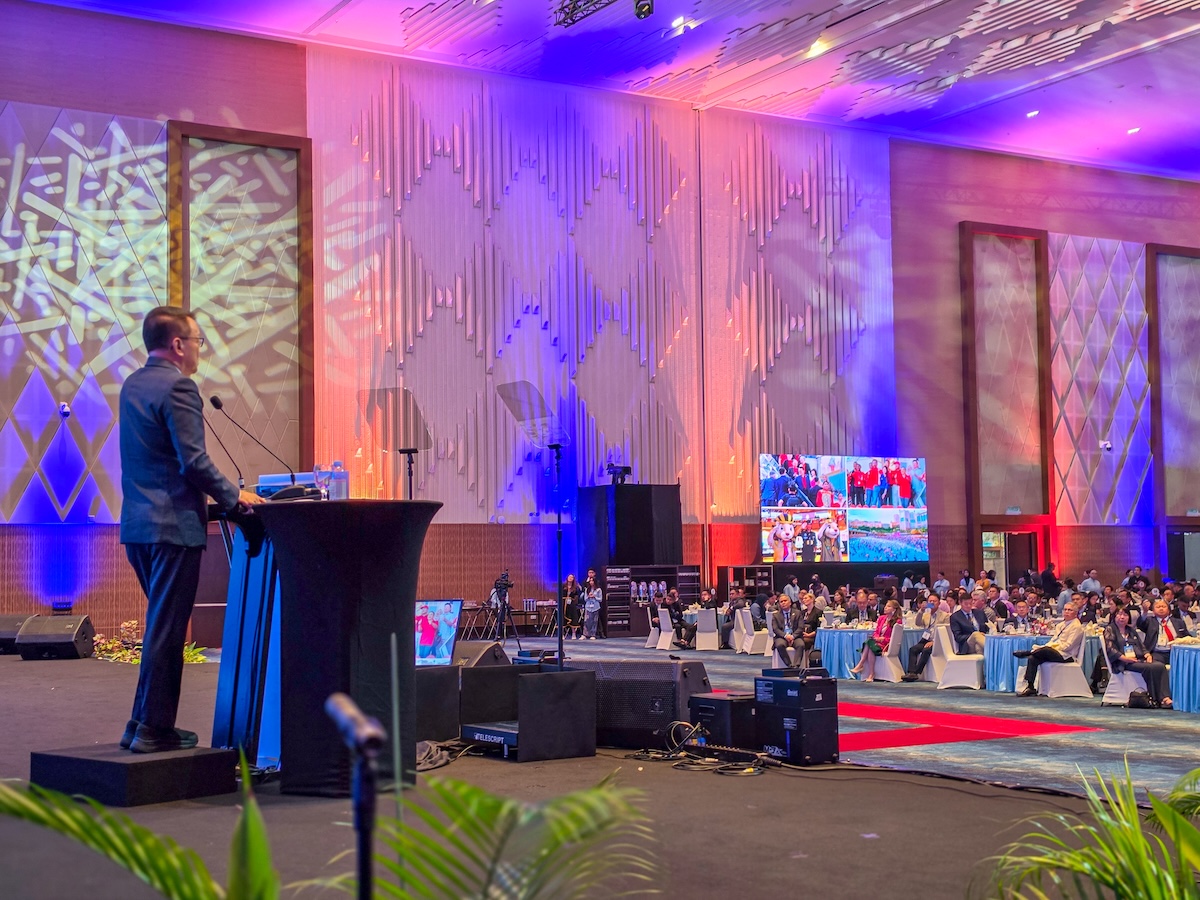
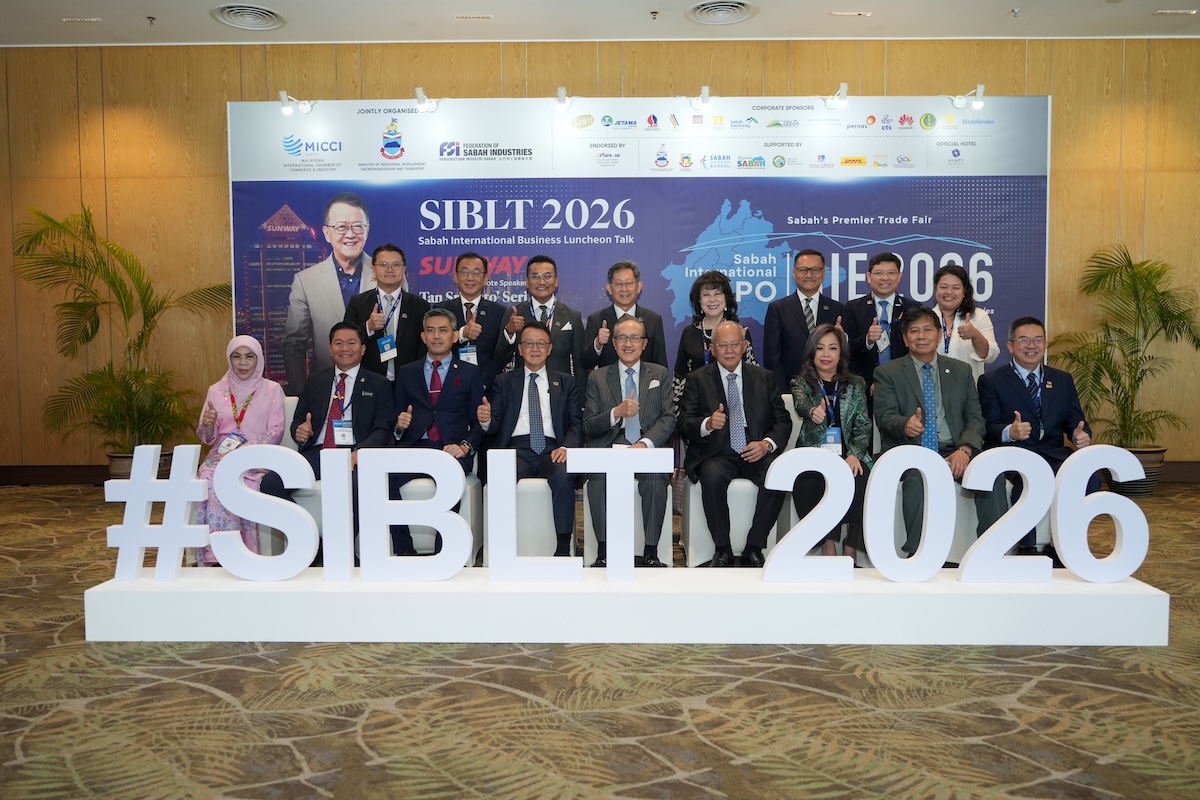
Speaking at the Sabah International Business Luncheon Talk (SIBLT) 2026, the Sunway Group founder and chairman reflected on more than five decades of entrepreneurship, sharing the lessons that shaped his approach to business, leadership, education, healthcare, sustainability and nation building.
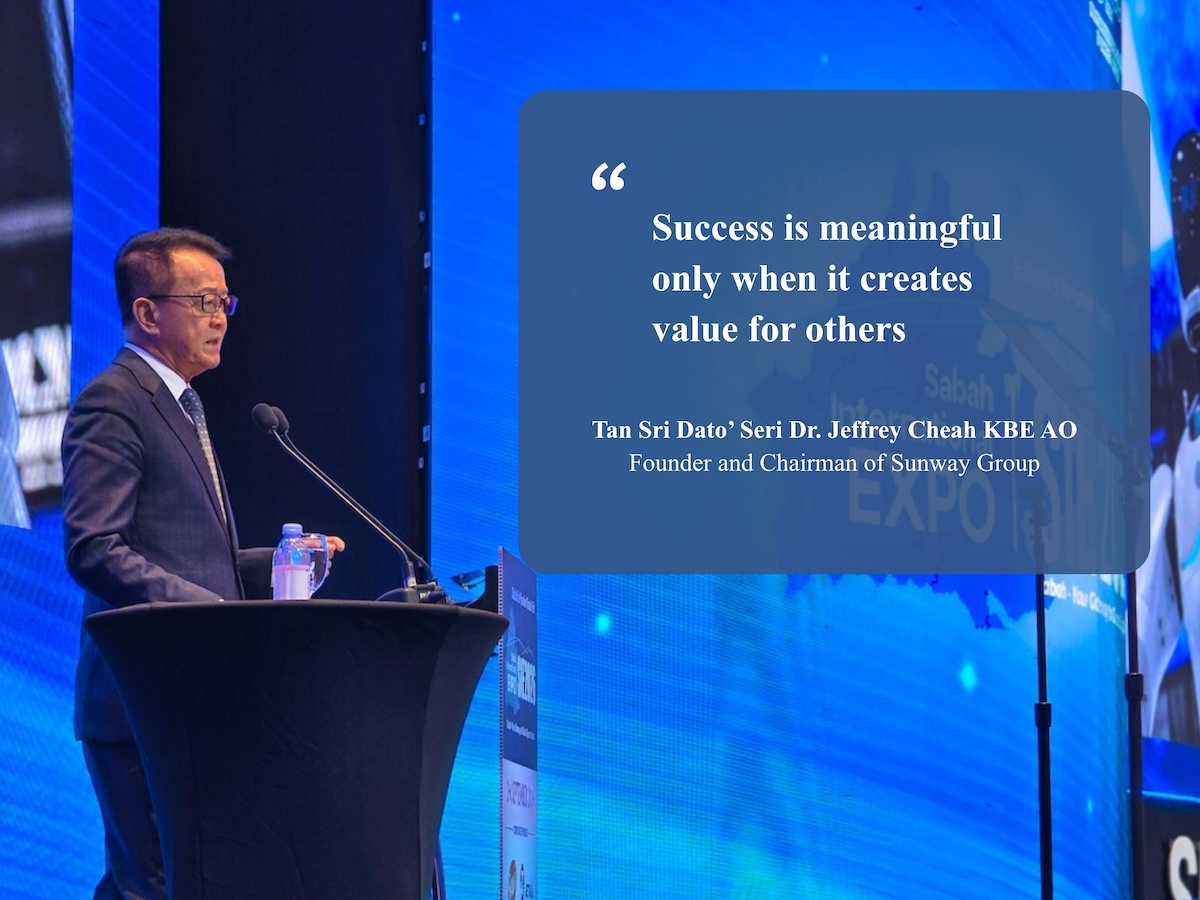
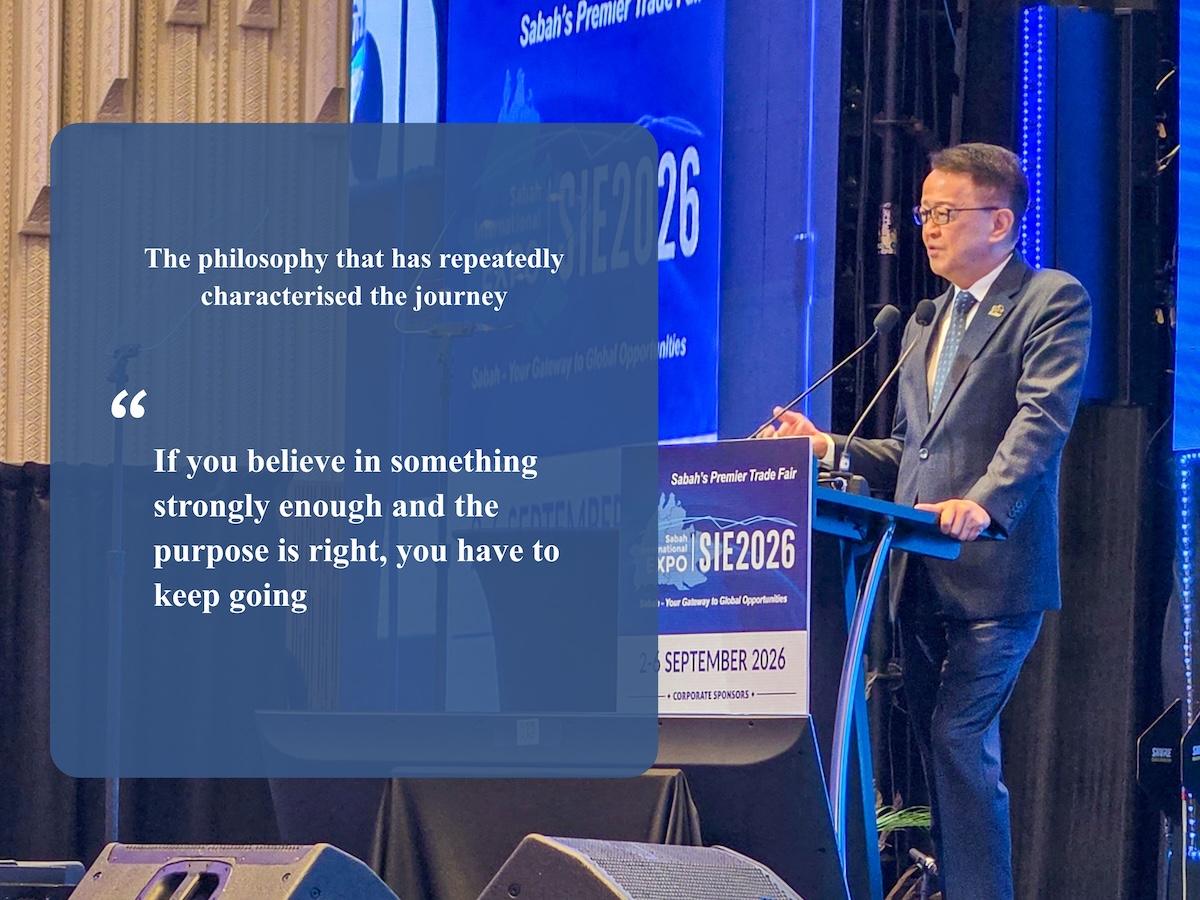
His message was simple but powerful:
Sabah’s Role in the BIMP-EAGA Opportunity
Jeffrey Cheah’s visit to Sabah was about more than sharing lessons from his business journey. It also reflected his optimism about Sabah and the wider BIMP-EAGA region, and the opportunities that lie ahead.
With its strategic location, rich natural resources and multicultural communities, Sabah is well positioned to play a greater role in Southeast Asia’s evolving economic landscape.
The wider BIMP-EAGA region, spanning Brunei Darussalam, Indonesia, Malaysia and the Philippines, connects more than 80 million people across one of Southeast Asia’s most strategically important growth corridors. The opportunity lies in treating borders as bridges, enabling the flow of trade, investment, knowledge, talent and stronger regional partnerships rather than allowing geography to limit growth.
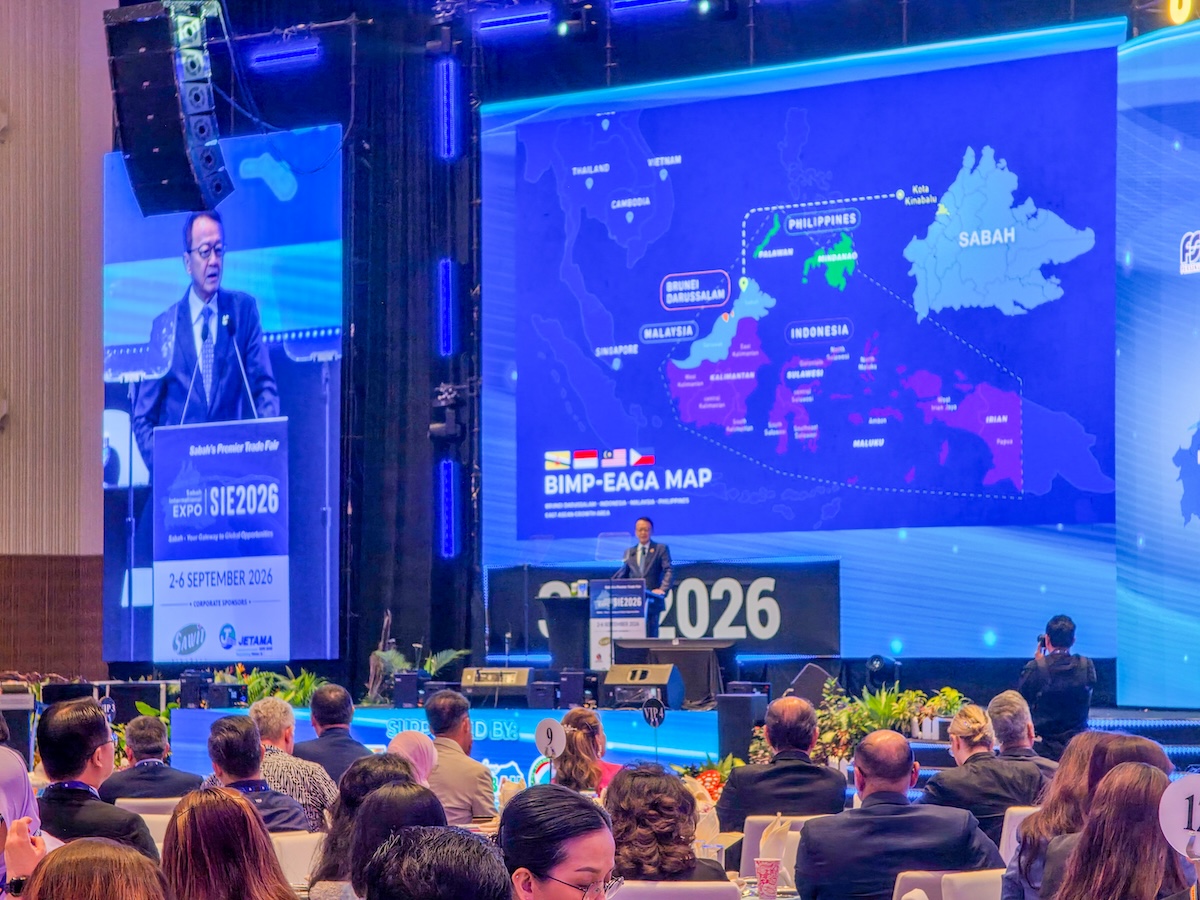
The BIMP-EAGA Vision 2035 provides a roadmap for inclusive and sustainable development. Turning that vision into meaningful economic opportunities, however, will require businesses, universities, civil society, local communities and governments to work together towards shared prosperity.
At the heart of this transformation is the private sector, which has a critical role to play in turning regional ambition into long term economic opportunities.
For Jeffrey Cheah, that philosophy is familiar. His own journey has been built around the belief that long term growth comes from creating ecosystems, investing in people and building for generations rather than simply pursuing short term gains.
That was the broader message behind his address at the Sabah International Business Luncheon Talk 2026:

Business can be a powerful force for growth, but its greatest impact comes when success creates opportunities for others.

Lessons From a Remarkable Journey
Building with Purpose
Tan Sri Jeffrey began by expressing his admiration for Sabah, particularly its multicultural character and spirit of harmony. He described Sabah as a place where communities of different races and religions celebrate one another’s festivals and traditions as part of a shared home, a spirit of unity that, he said, holds valuable lessons for Malaysia and the wider region.
He also expressed his appreciation for the warm hospitality extended to him and his team, noting that the visit was not simply about business, but about understanding Sabah better and exploring opportunities to build meaningful partnerships. Accompanying him were senior leaders from Sunway’s real estate, education and healthcare sectors.
For Tan Sri Jeffrey, this reflects an important principle: business growth and nation building should go hand in hand.
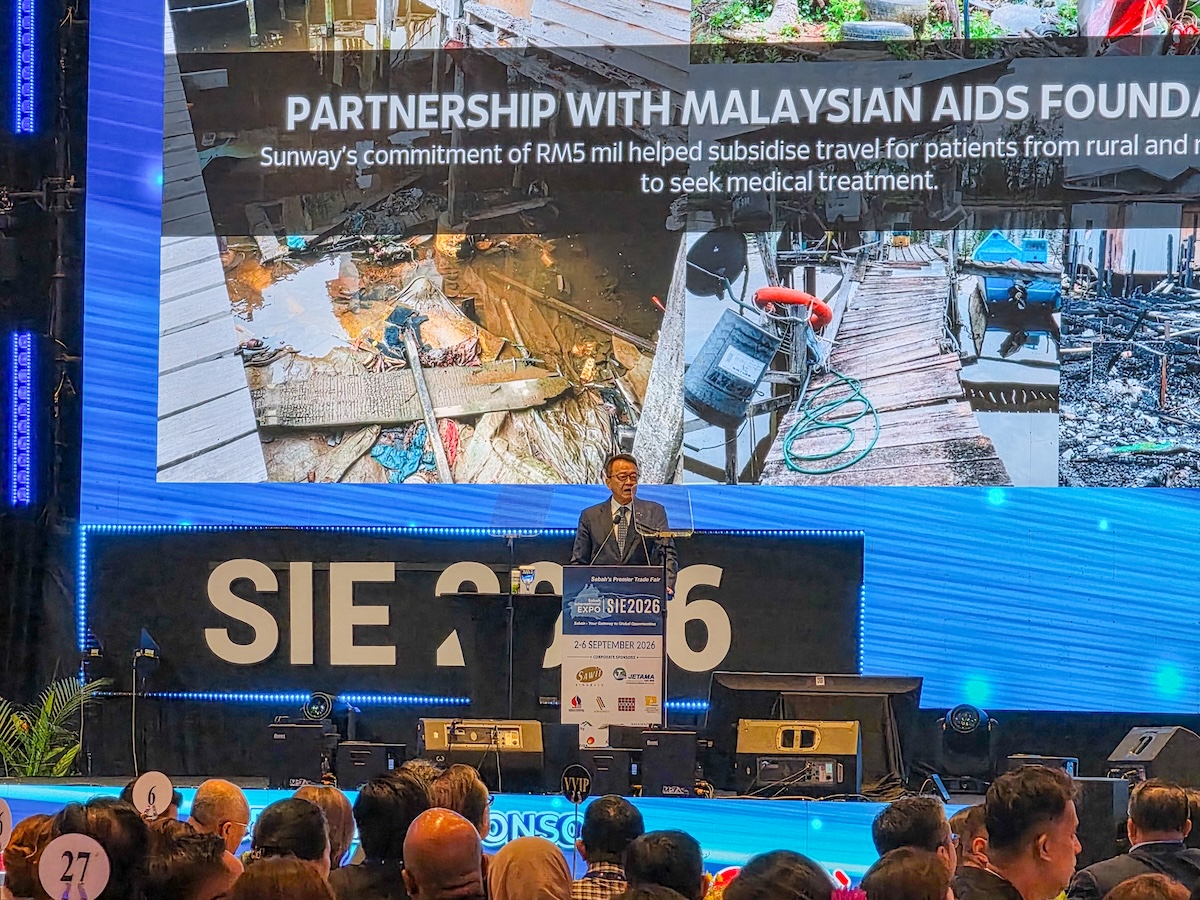
Although Sunway has yet to establish a major commercial footprint in Sabah, its involvement in the state has already extended into healthcare through the Borneo Hope Project, a collaboration with the Malaysian AIDS Foundation launched in 2021. With a RM5 million commitment over five years, the programme supports healthcare access for marginalised communities in Sabah and Sarawak, including assistance for underprivileged patients living with HIV and other chronic illnesses who need to travel from rural and remote areas to hospitals and clinics.
For Tan Sri Jeffrey, such initiatives are part of a much larger philosophy.
“Do well by doing good.”
That principle has remained at the heart of his entrepreneurial journey.
From Pusing to Sunway
Tan Sri Jeffrey’s story began in the small town of Pusing, Perak. Growing up in the late 1960s and early 1970s, he witnessed how poverty could limit opportunities for young people. Some of his childhood friends were forced to leave school because their families could not afford to support their education. Those experiences left a lasting impression on him.
He came to believe that education was one of the most powerful routes out of poverty, but it had to be quality education, and it had to be accessible and affordable. That conviction would eventually become one of the defining pillars of his life’s work. But first, he needed to build a successful business.
In 1974, he left his job as an accountant at a motor assembly plant and ventured into entrepreneurship. At the time, he had no established brand, no large organisation behind him and no guarantee of success. He established Sungei Way Corporation with a paid-up capital of RM100,000. The company initially focused on tin mining before expanding into construction, trading and building materials.
More than five decades later, the business has evolved into the Sunway Group, with interests spanning property, construction, healthcare, education, hospitality, retail and other sectors. Yet one of the most remarkable chapters in that journey began with what appeared to be nothing more than a wasteland.
Turning a Wasteland into a Wonderland
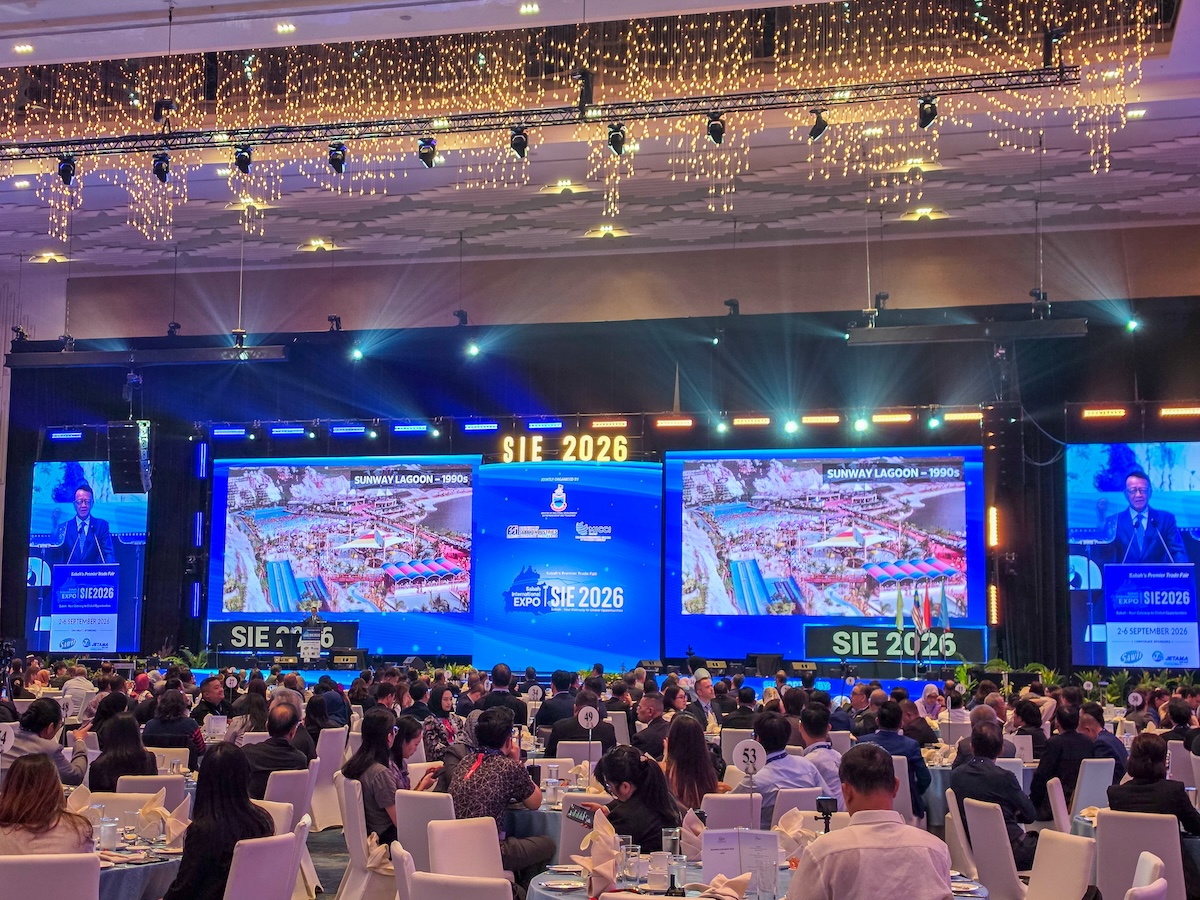
Today, Sunway City Kuala Lumpur is a thriving integrated township where hundreds of thousands of people live, work, study and spend their leisure time.
But the site looked very different when Tan Sri Jeffrey first envisioned developing it. The approximately 800-acre site was an abandoned mining landscape, filled with disused mining pools, gravel and barren land. Few people believed a city could be built there. His business partners and stakeholders were initially unconvinced. Banks were reluctant to finance the project.
But Tan Sri Jeffrey persisted. The challenge was not simply to construct buildings. It was to rehabilitate the land and create an entirely new ecosystem, physical, economic, social and environmental.The result became Sunway City Kuala Lumpur, an integrated township designed around the idea that people should be able to live, work, study and play within a connected environment.
He recalled the late Singapore founding Prime Minister Lee Kuan Yew visiting Sunway City in 2004.
Lee’s observation stayed with him:
“You have transformed a wasteland into a wonderland.”
For Tan Sri Jeffrey, the transformation represented the essence of entrepreneurship: seeing possibility where others see problems.
Education as a Lifelong Mission
The transformation of Sunway City did not stop at property development. Tan Sri Jeffrey began building an ecosystem centred on education.
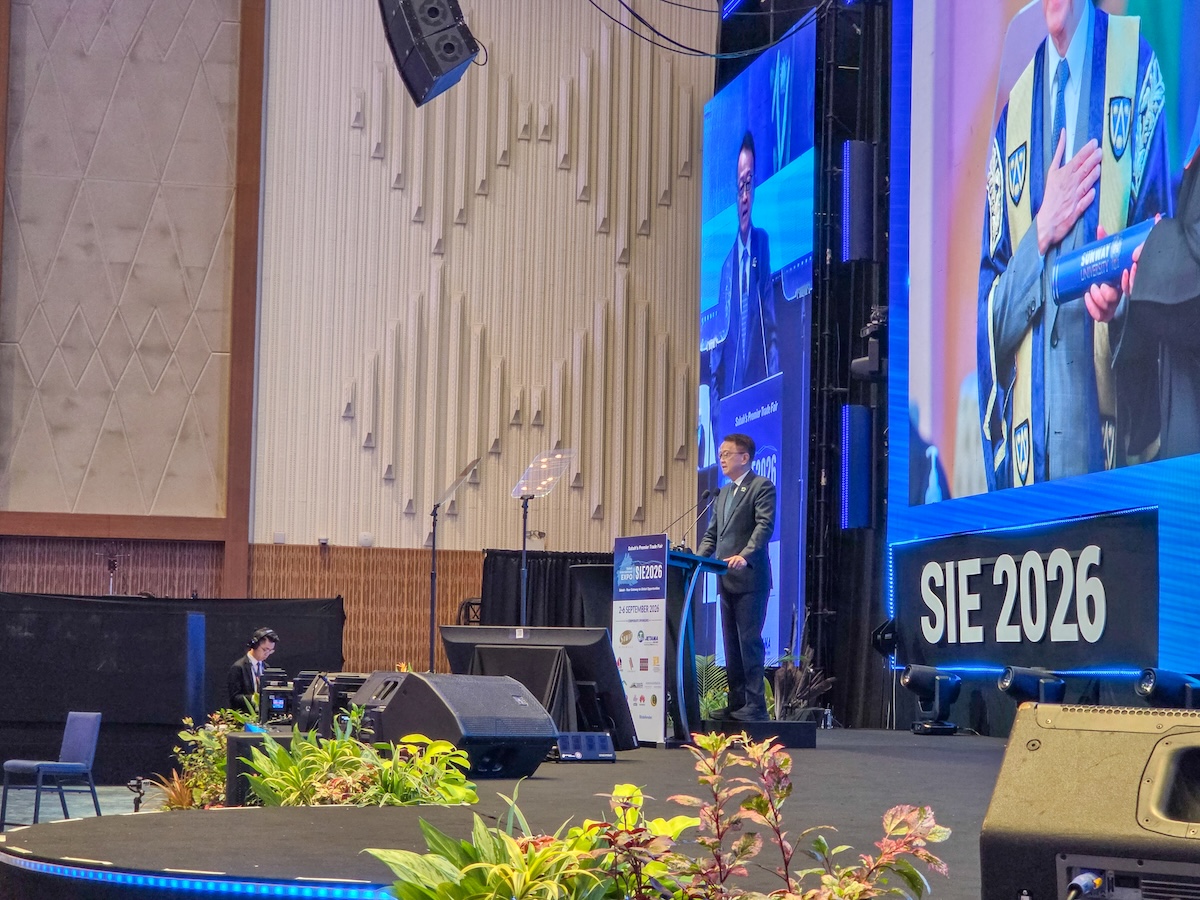
Today, Sunway City is home to three leading universities, Sunway University, Monash University Malaysia and Lancaster University Malaysia, located within an integrated environment designed to encourage collaboration and interaction.
His relationship with Monash University began almost three decades ago. Tan Sri Jeffrey played a key role in bringing Monash University to Malaysia, establishing what became the first foreign university campus in the country and Monash’s first campus outside Australia. But he wanted more. He wanted a medical school. The idea was met with considerable resistance.
The Australian Medical Council had never accredited a medical programme outside Australia and New Zealand. There was also the enormous financial challenge involved in establishing a medical school and securing an appropriate teaching hospital. At one point, his own team warned him that the project could incur losses of around RM110 million before reaching break-even.
He did not give up. He pursued the necessary approvals, engaged the relevant authorities and eventually secured the use of Sultanah Aminah Hospital in Johor Bahru, with approximately 1,100 beds, as the teaching hospital required for the programme.
The result was Monash University’s medical school in Malaysia, which went on to become the first medical programme outside Australia and New Zealand to receive accreditation from the Australian Medical Council.
For Tan Sri Jeffrey, the lesson was not simply about building a medical school. It was about persistence when the odds appear to be against you.
Building an Ecosystem, Not Just Institutions
The education ecosystem continued to expand.
Sunway University developed as a mission-driven, not-for-profit institution, with an ambition to become what Tan Sri Jeffrey describes as the “Harvard or Cambridge of the East.” He acknowledges that such a vision may take generations to fully realise. But that is precisely the point.
Leadership, in his view, is not about building only for one’s own lifetime. It is about laying foundations for those who come after.
Sunway’s partnerships with leading global institutions, including Cambridge, Oxford, Lancaster, Harvard and MIT, reflect his belief that to become the best, one must learn from and work with the best.
Research collaborations have extended into areas such as carbon capture, storage and utilisation, while Sunway researchers and academics have earned recognition among the world’s leading scientists.
The broader philosophy is clear: education should not simply produce graduates. It should create knowledge, innovation, character and solutions for society.
The Power of Competition and Collaboration
Tan Sri Jeffrey also believes strongly in the value of competition.
Through his initiative, the three universities in Sunway City have developed a collaborative platform known as the Triple Alliance. Together, the institutions form a vibrant academic ecosystem serving tens of thousands of students and supported by thousands of academics, researchers and lecturers.
For Tan Sri Jeffrey, collaboration does not mean eliminating competition. Instead, he believes that healthy competition can bring out the best in people and institutions. His vision is to create an environment where students and academics can collaborate, compete and innovate, while contributing towards a more learned, sustainable and inclusive society.
The same philosophy extends beyond education. He sees human capital as perhaps the most important form of capital available to any organisation, state or country.
Bringing Malaysian Talent Home
One of the challenges he has long recognised is Malaysia’s loss of talent to other countries, particularly Singapore. Rather than simply lamenting the brain drain, Tan Sri Jeffrey chose to focus on creating an environment compelling enough for talented Malaysians to return.
Over the years, he travelled to institutions including Harvard, Cambridge, Oxford and MIT to meet Malaysians studying and working overseas. His message to them was straightforward: come home, and we will build the ecosystem for you to succeed.
This was particularly important in healthcare. Specialists often told him that they would like to return to Malaysia but lacked the facilities, technology and professional environment needed to practise their specialised skills. His response was to build those facilities.
That strategy has enabled Sunway Healthcare to attract specialists from leading international institutions, including the Mayo Clinic and other major medical centres.
For Tan Sri Jeffrey, attracting talent is not merely an organisational strategy. It is nation building.
Healthcare as Another Long-Term Investment
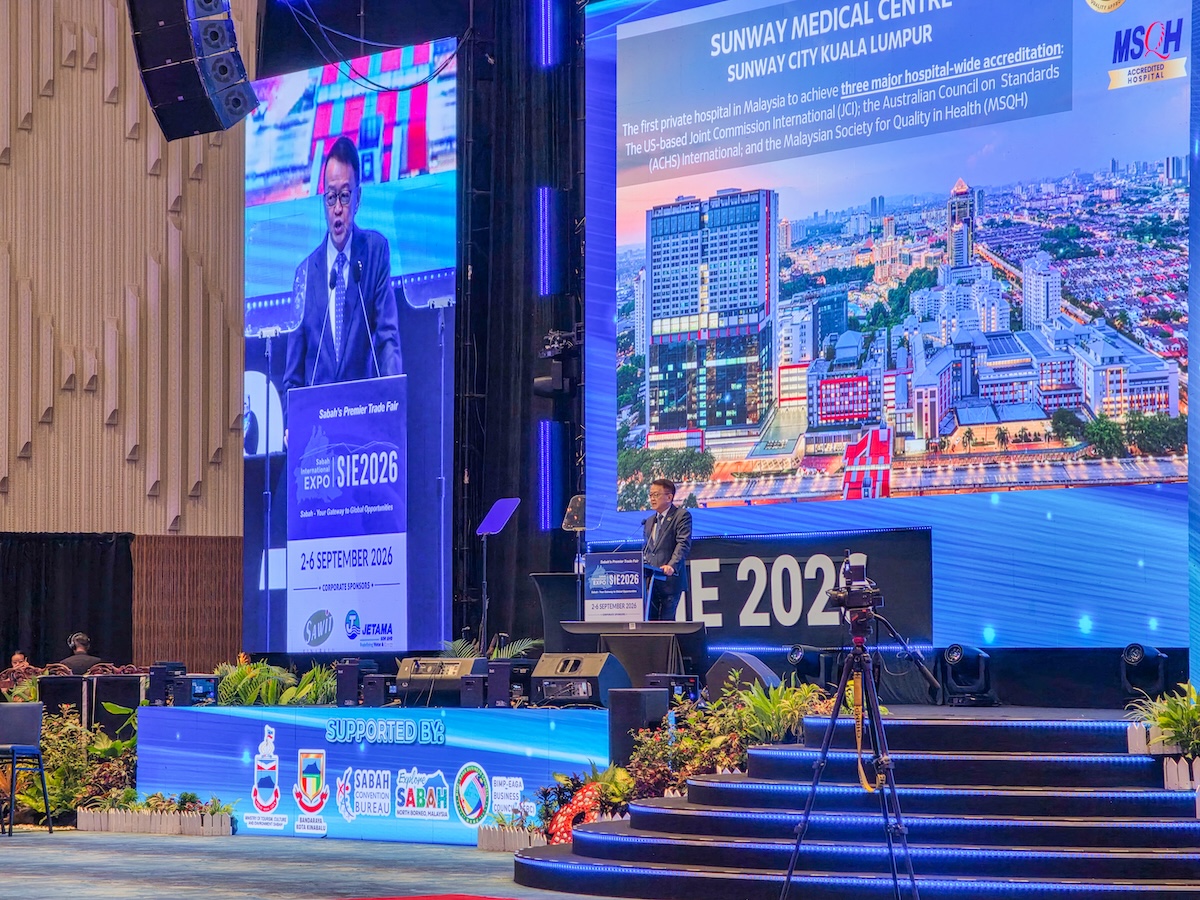
Sunway’s healthcare ambitions have grown significantly. From a single hospital in 1999, Sunway Healthcare has developed into a healthcare group operating multiple hospitals with more than 2,000 beds across Malaysia. The group is also expanding its network, with plans for additional hospitals that will eventually bring its total capacity to more than 4,000 beds.
At the heart of this ecosystem is Sunway Medical Centre Kuala Lumpur, which has a capacity of approximately 1,100 beds and serves as a teaching and research hospital alongside Sunway’s medical education ecosystem.
Tan Sri Jeffrey sees healthcare not merely as another business vertical, but as part of a larger integrated ecosystem connecting education, research, clinical care and talent development.
The strategy reflects his broader approach to business: build, own and operate, creating long-term relationships with the communities the organisation serves.
Twice on the Brink of Bankruptcy
But behind Sunway’s success lies a less frequently told story. Tan Sri Jeffrey revealed that he came close to bankruptcy twice. The first was during Malaysia’s severe economic recession in 1985. The second came during the Asian Financial Crisis in 1997.
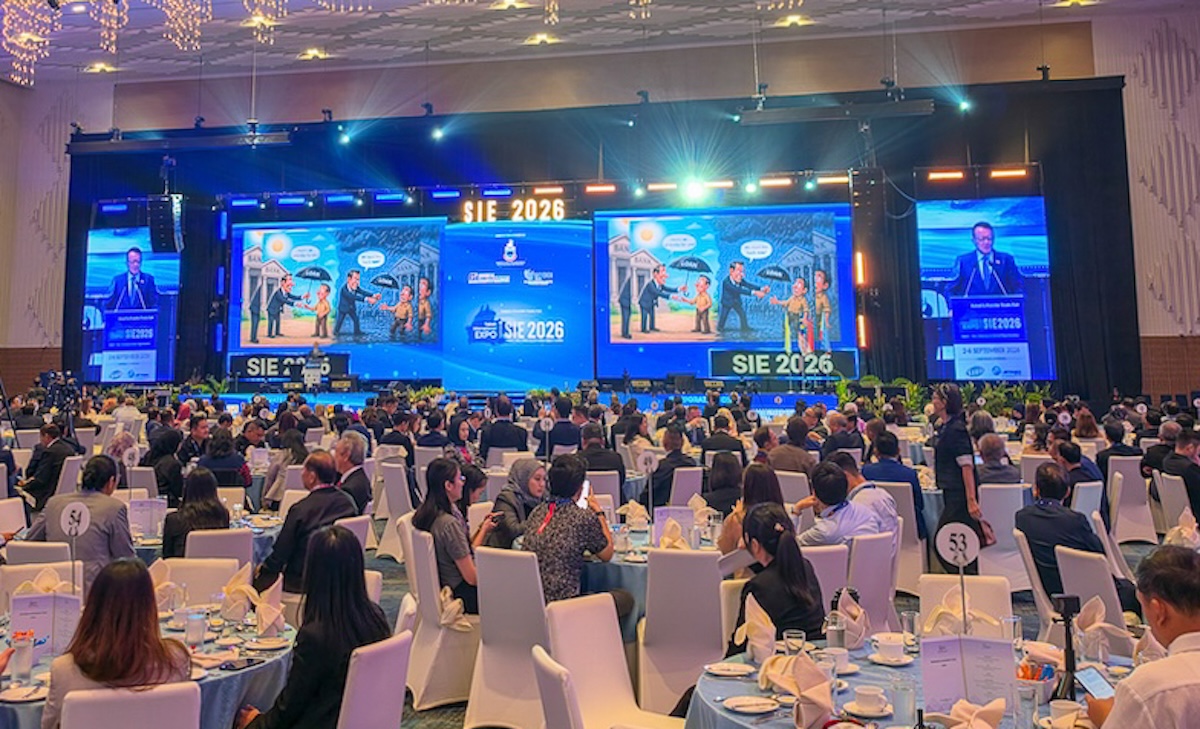
During the 1990s, as Sunway expanded rapidly, banks were eager to provide financing.
Credit was readily available, sometimes without significant collateral.
Then the financial crisis struck. The same banks that had once been eager to lend suddenly demanded repayment. Cash flow became extremely tight. At one point, Tan Sri Jeffrey did not even have enough cash to pay salaries.
He recalled the old saying about bankers:
“They lend you an umbrella when the sun is shining and take it back when the rain comes pouring down.”
He experienced that reality firsthand. It was one of the most difficult periods in Sunway’s history. Yet it also became one of its most important turning points.
The GIC Partnership
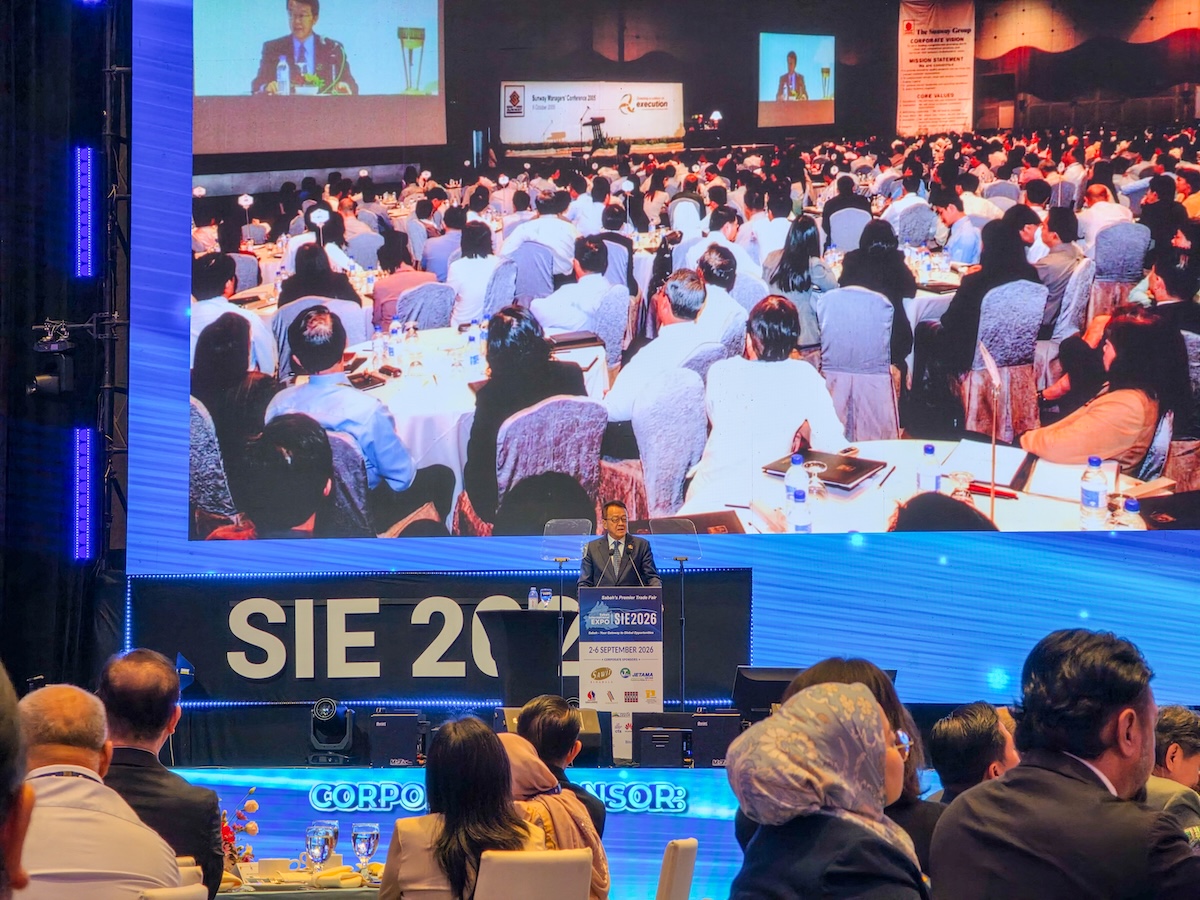
During the crisis, Singapore’s Government of Singapore Investment Corporation, now known as GIC, took a 45% stake in Sunway. The investment helped the group recapitalise, restructure and reposition itself.
Tan Sri Jeffrey described GIC’s due diligence process as exceptionally rigorous, with a large team of experts scrutinising the business. Sunway passed the test. The partnership became a defining chapter in the group’s recovery.
Importantly, Tan Sri Jeffrey retained control of the company. He later joked that GIC came in with one bag and eventually left with three and a half bags. For him, the partnership demonstrated something fundamental about trust.
Investors may provide capital, but integrity determines whether that capital continues to create value.
Years later, GIC would return as an investor in Sunway Healthcare. The subsequent investment and listing demonstrated the strength of the relationship that had been built over decades.
Integrity, Humility and Excellence
Tan Sri Jeffrey believes that financial success alone does not determine whether an organisation is successful. The foundation is character.
three core values that guide sunway
Integrity. Humility. Excellence
Integrity means doing the right thing, and doing it the right way, even when nobody is watching.
Humility means recognising that no matter how capable or successful one becomes, there will always be someone who knows more, sees something differently or can offer a better perspective.
Excellence means continuously pursuing higher standards and better quality.
These values, he said, become particularly important during periods of crisis. When everything is going well, values are easy to talk about. It is when an organisation is under pressure that its true character is revealed.
For Tan Sri Jeffrey, the principle is straightforward:
Never make promises you cannot keep. And when you make a promise, deliver, even if fulfilling it means taking a financial hit.
That commitment, he believes, is one of the reasons Sunway has earned the trust of its stakeholders.
Doing Well by Doing Good
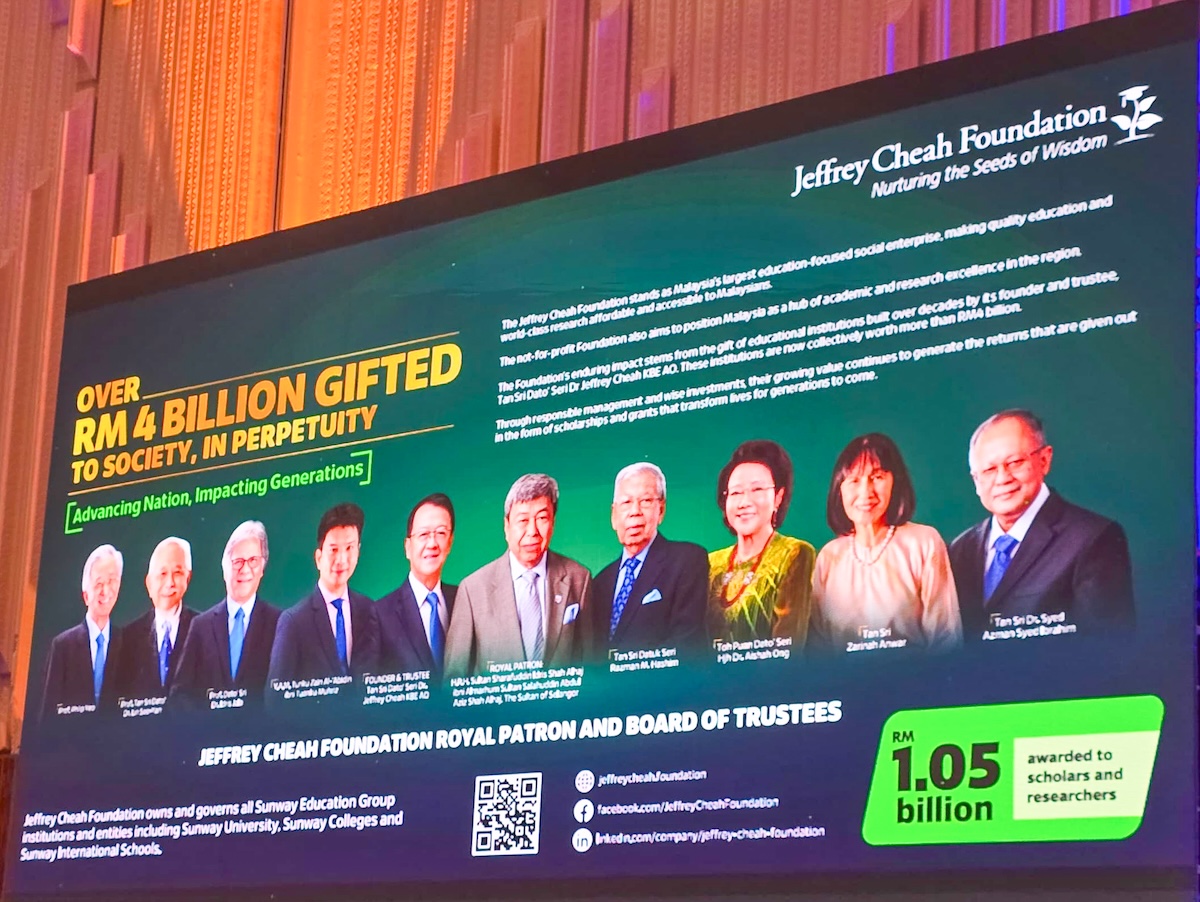
The philosophy of “doing well by doing good” eventually led Tan Sri Jeffrey to establish the Jeffrey Cheah Foundation. The foundation has received billions of ringgits in gifts and endowments and governs Sunway’s education institutions through a not-for-profit structure.
Financial surpluses are reinvested into scholarships, research, facilities, fellowships and talent development rather than distributed to the founder or his family. To date, the foundation has provided substantial scholarships and grants to make quality education more accessible to deserving young people regardless of background.
For Tan Sri Jeffrey, this is not philanthropy separated from business. It is part of the same mission.
He describes his aspiration as providing opportunities from the earliest stages of education through to postgraduate studies, building an ecosystem that supports people throughout their educational journey.
Sustainability Is a Choice
The same values extend to sustainability.
Sunway has aligned its operations with the United Nations Sustainable Development Goals and incorporated sustainability into its business practices. The Jeffrey Cheah Foundation has also supported global sustainability initiatives, including the UN Sustainable Development Solutions Network.
At Sunway University, sustainability research is supported through the Jeffrey Cheah Center for Sustainable Development and other initiatives focused on planetary health. Tan Sri Jeffrey’s commitment goes beyond adopting sustainability as a corporate slogan. He believes businesses must consider their impact on people and the planet alongside financial performance.
That conviction has even influenced the opportunities Sunway chooses not to pursue. Despite receiving offers related to casino licences, Sunway declined them.
For Tan Sri Jeffrey, the decision was simple: if a business opportunity conflicts with the organisation’s values or could contribute to social harm, it is not worth pursuing.
Profit is important, but purpose sets the boundaries.
Building for the Next Generation
Today, Sunway Group’s four listed companies have a combined market capitalisation of approximately RM76 billion. But Tan Sri Jeffrey’s perspective on this achievement is not focused solely on the number.
For him, the more important question is what has been built around it.
- A township
- Universities
- Hospitals
- Research institutions
- Healthcare facilities
- Scholarships
- Sustainability initiatives
- Talent ecosystems.
And, ultimately, opportunities for future generations. His leadership philosophy is therefore deeply long-term.
He is willing to invest today in projects whose full benefits may only be realised decades later. That is particularly evident in education. The ambition to create a world-class university, he acknowledges, may not be fulfilled during his lifetime. But that does not diminish the ambition. It makes the responsibility even greater.
Learning from Lee Kuan Yew
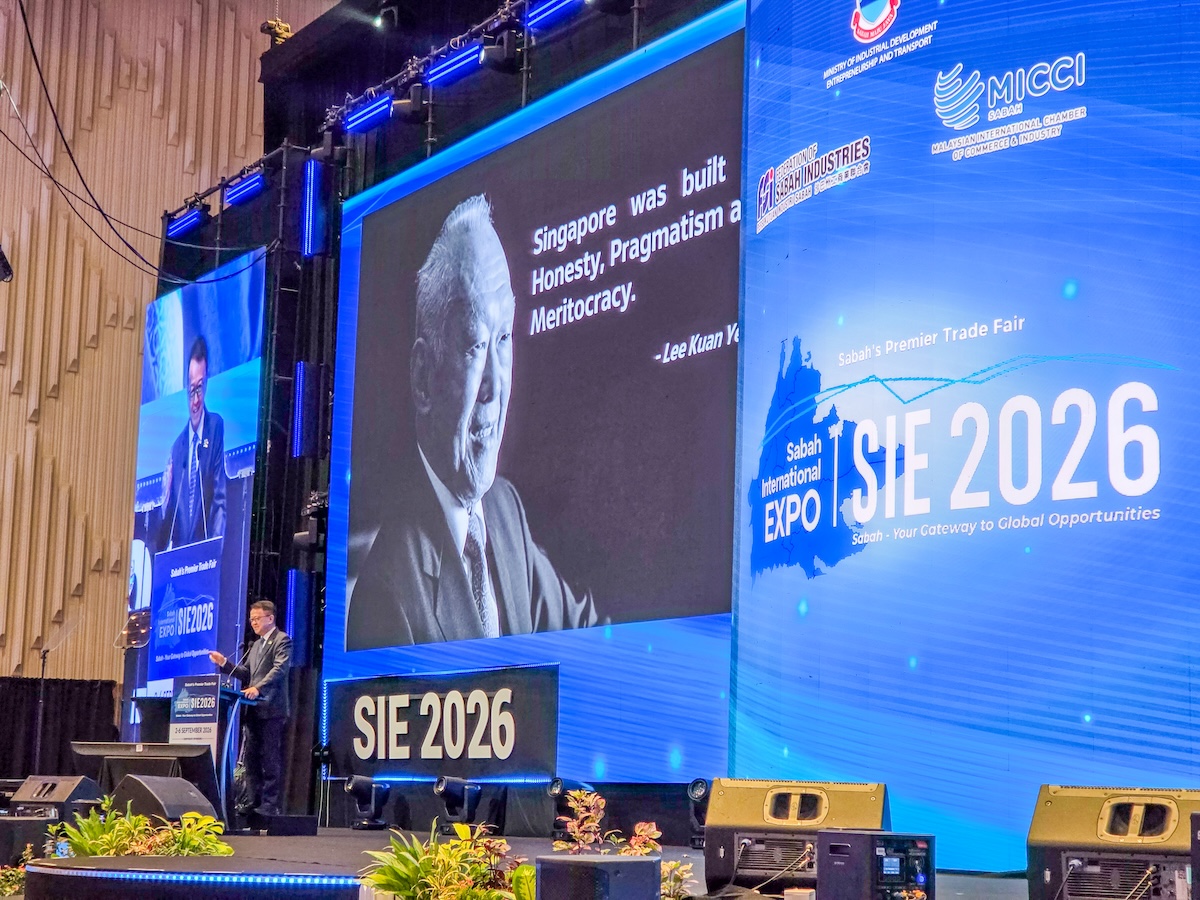
Tan Sri Jeffrey also recalled a conversation with the late Lee Kuan Yew, whom he regarded as one of the great leaders of the region.
He asked Lee how Singapore had managed to develop so successfully.
Lee’s answer centred on three principles:
Integrity. Meritocracy. Pragmatism.
Tan Sri Jeffrey particularly remembered Lee’s explanation of pragmatism: if you do not have a sufficiently large head, you should not buy an oversized hat, because it will simply be blown away.
For Tan Sri Jeffrey, the lesson was about understanding one’s capabilities, resources and limitations. Ambition is important. But ambition must be matched by discipline, realism and execution.
A Malaysian Identity Beyond Labels
Perhaps the most personal part of Tan Sri Jeffrey’s address was his reflection on Malaysia itself.
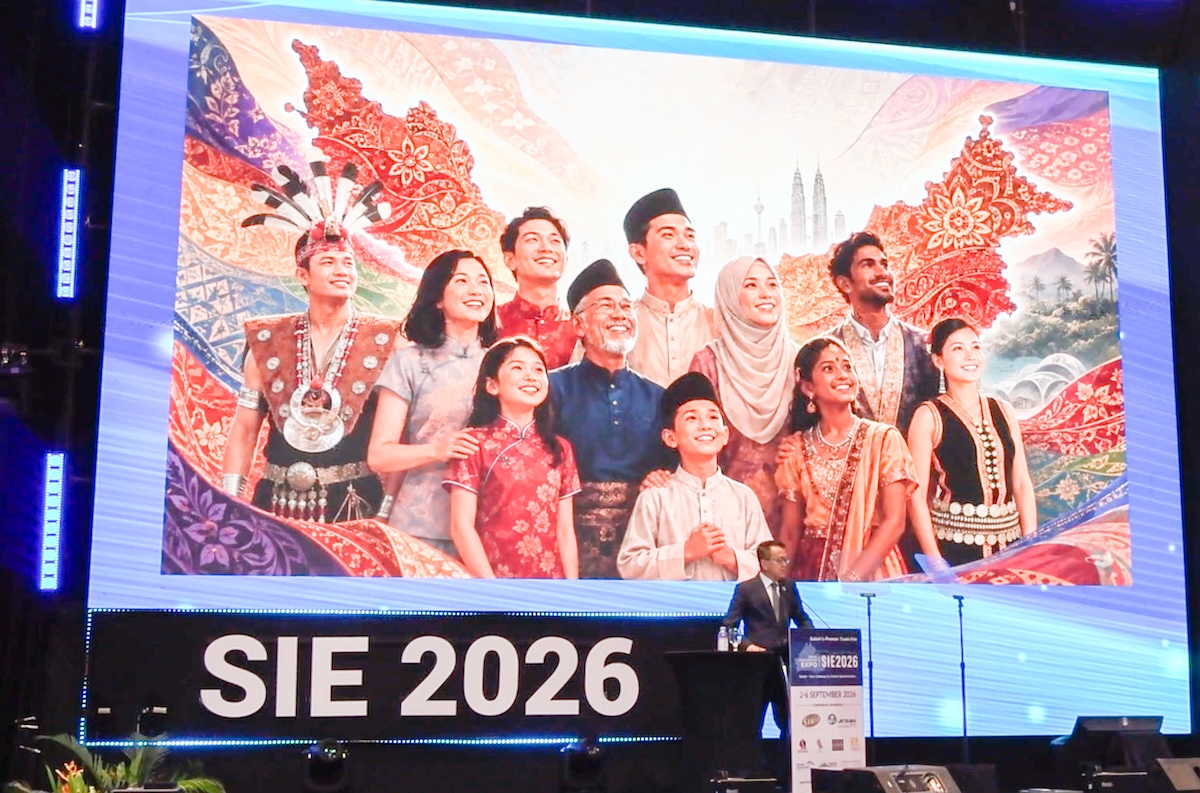
He spoke about growing up alongside Malay, Chinese and Indian friends. As children, they played sports together, swam in mining pools and rivers, visited each other’s homes and shared their lives without first asking about race or religion.
Children, he observed, have a remarkable ability to see people before they see labels. Somewhere along the journey into adulthood, society can lose that simplicity.
Yet underneath ethnic, religious, political and national identities, he believes there is something fundamental that connects everyone.
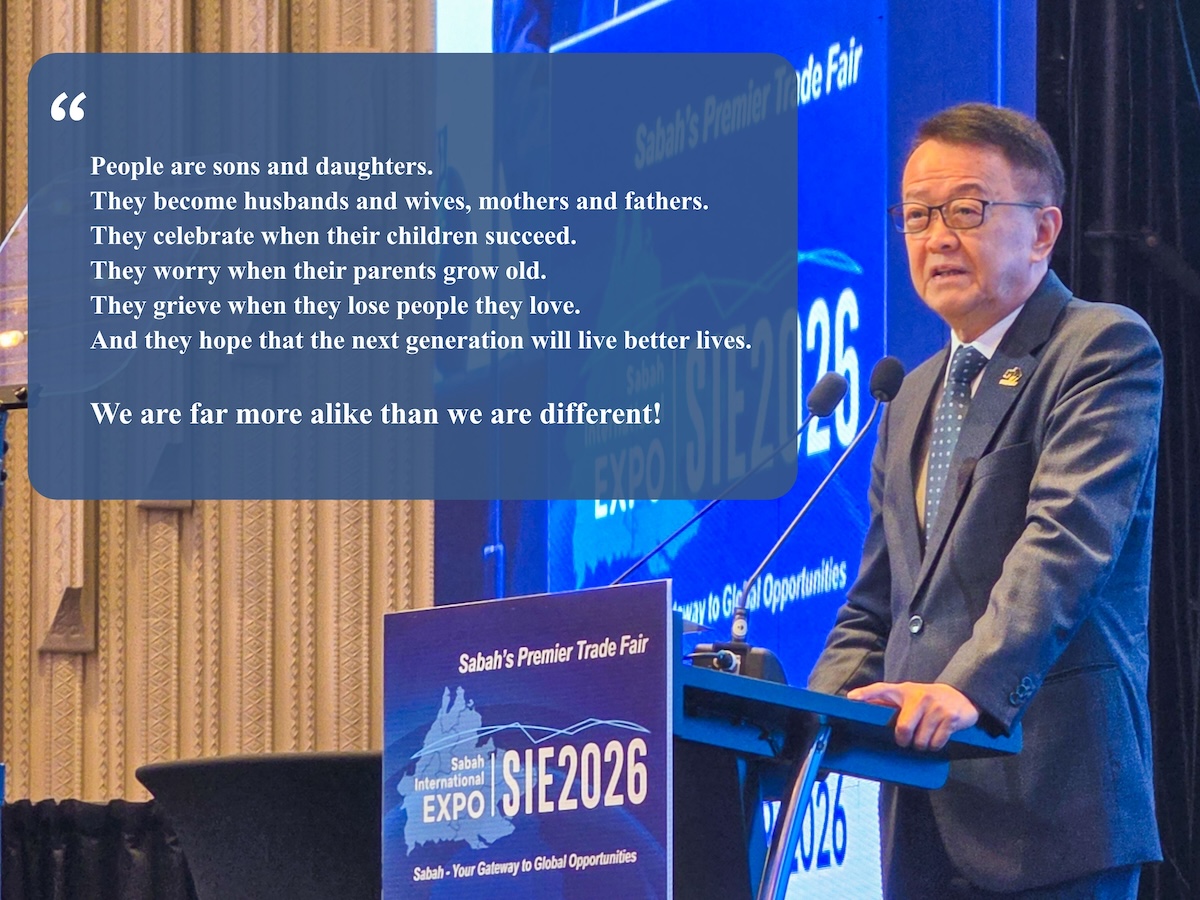
That belief in inclusiveness is reflected in how he describes Sunway’s organisational culture: one that welcomes people regardless of race, nationality or religion.
Preparing for an AI-Driven Future
The world is changing rapidly. Artificial intelligence is transforming how people live, work and learn, while climate change is reshaping economies and communities.
Tan Sri Jeffrey believes the response must go beyond technology. Malaysia and the region must invest heavily in innovation, education and human capital.
The competitiveness of future generations will depend not only on what technology they can use, but on their ability to think critically, exercise judgement, demonstrate empathy, act ethically and adapt to change.These are precisely the qualities that machines cannot easily replace.
For parents, educators, governments and business leaders, he believes the responsibility is shared: young people must be given the opportunity to compete globally, regardless of their background.
The Leadership Lesson
Looking back on more than five decades of entrepreneurship, Tan Sri Jeffrey’s story offers a leadership lesson that extends far beyond business.
- He started with RM100,000.
- He survived two near bankruptcies.
- He transformed abandoned mining land into a thriving city.
- He built universities and hospitals.
- He attracted global institutions and Malaysian talent.
- He established a foundation dedicated to education.
- And he helped build a conglomerate valued at approximately RM76 billion.
Yet the thread connecting all these achievements is not simply financial ambition.
- It is purpose.
- It is resilience when circumstances become difficult.
- It is the courage to pursue ideas others may initially reject.
- It is the discipline to remain grounded when success arrives.
- It is the willingness to invest for a future one may never personally see.
- And it is the belief that success carries a responsibility to give back.
As Malaysia and Southeast Asia navigate a future shaped by AI, climate change, demographic shifts and intensifying competition, Tan Sri Jeffrey’s message is ultimately about what kind of future leaders choose to build.
For him, the answer is clear.
Build bridges rather than barriers.