What if the biggest challenge facing BIMP-EAGA’s halal economy is no longer identifying opportunities, but finding the capital, partnerships and confidence to act on them?
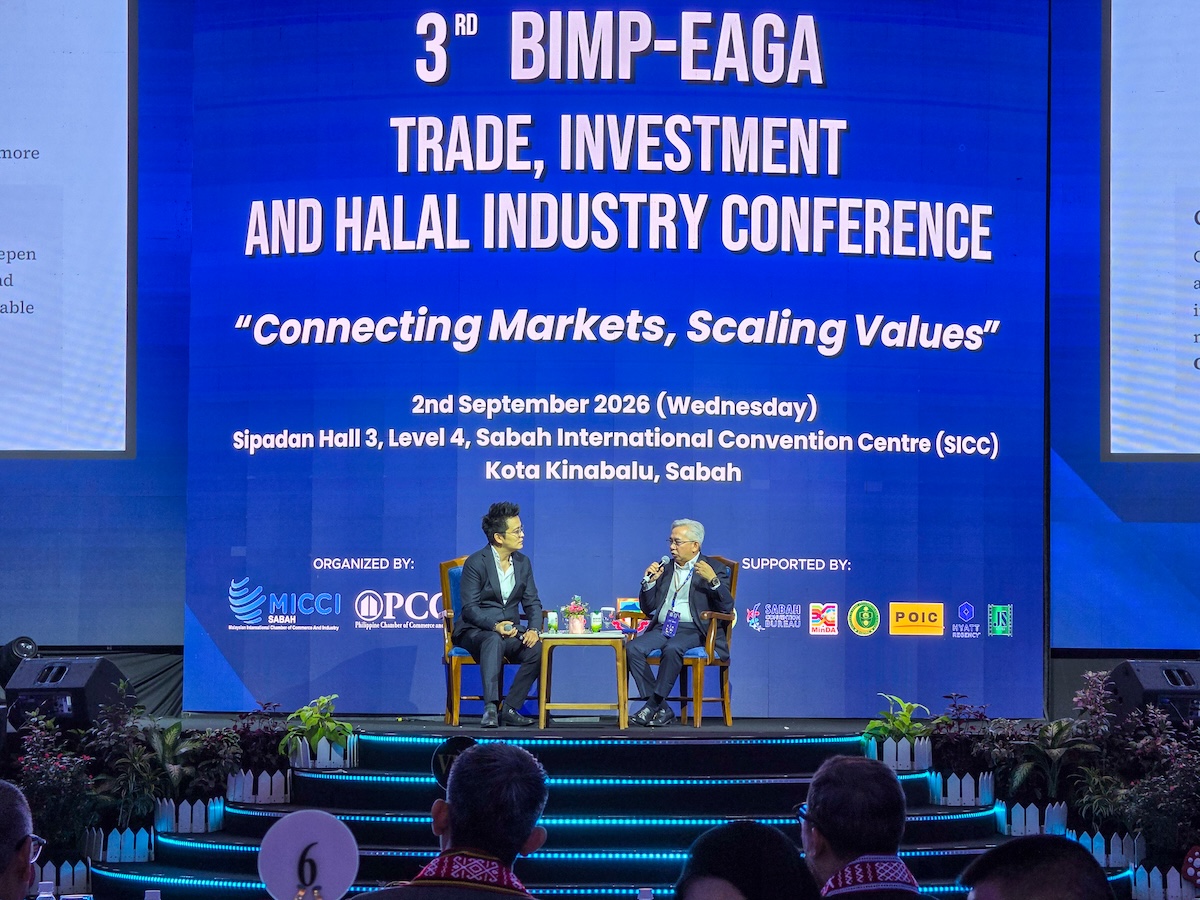
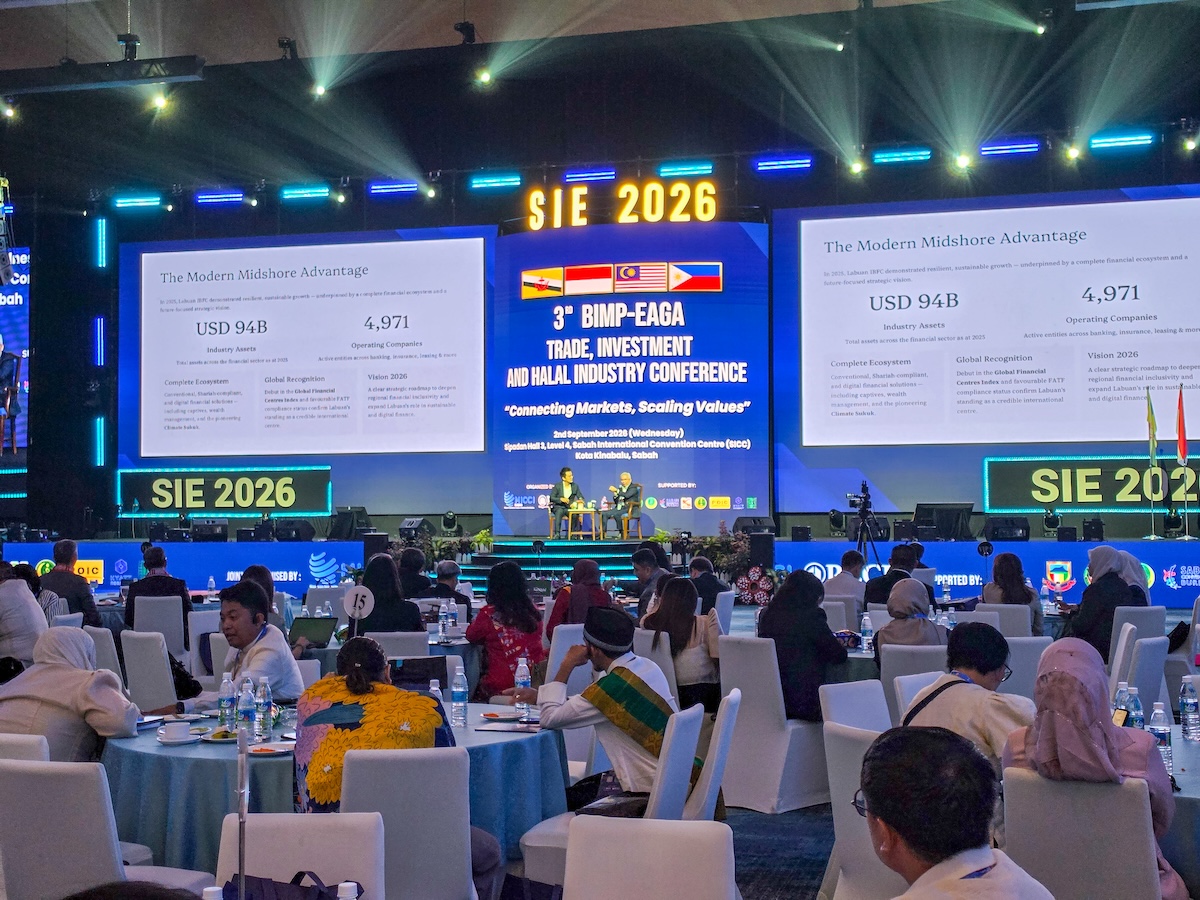
That question became the defining conversation of the conference’s closing synthesis session, where discussions about certification, trade, branding and investment converged into a broader vision for the region’s future.
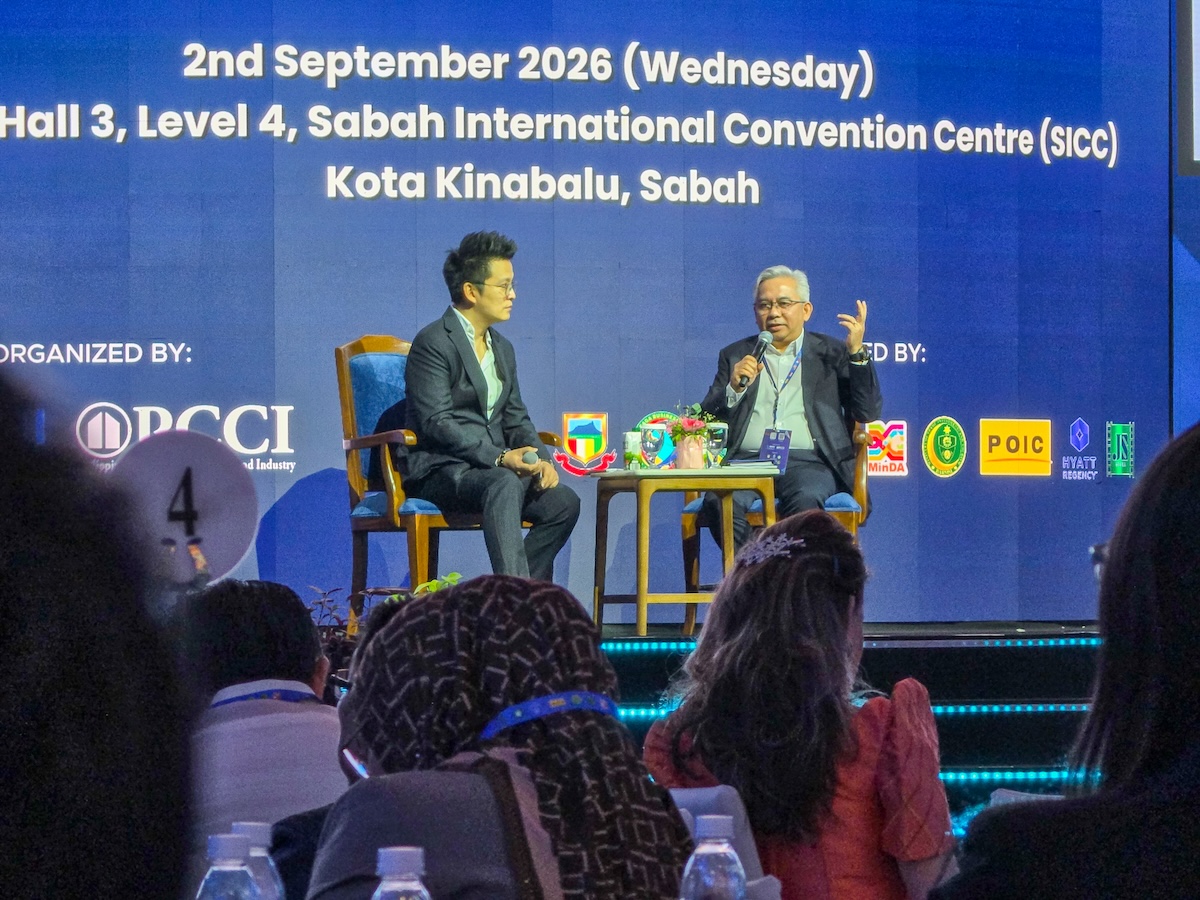
Moderated by Datuk Koh Chung Jade, Organising Chairman, the session featured Dato’ Mohd Husni Mohamad Salleh, Chairman of Labuan Corporation, who challenged participants to think beyond policies and market potential towards something more tangible: building the financial and business ecosystem that enables halal enterprises to grow.
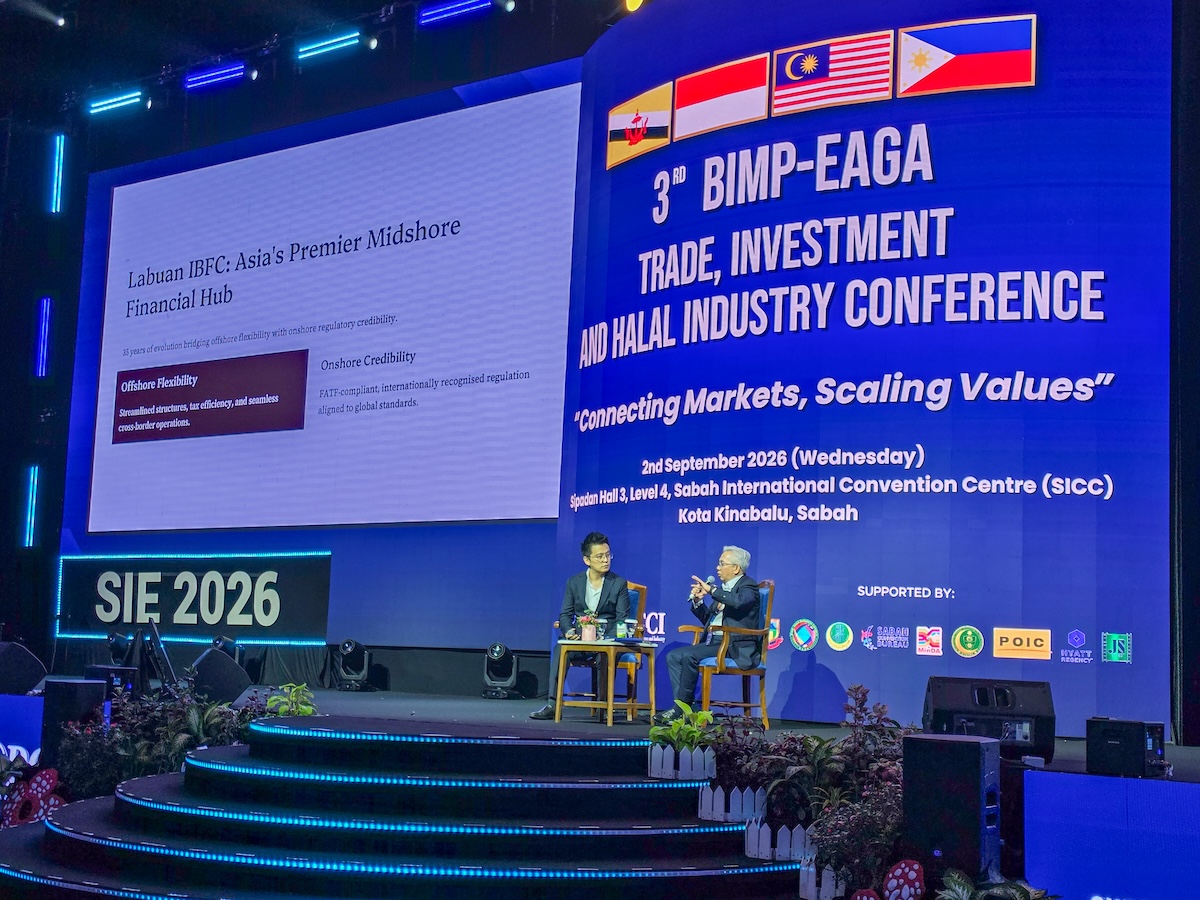
Funding the Entire Halal Value Chain
One of the session’s strongest messages was that halal should be understood as a complete value chain, not merely a certification. For businesses seeking to grow, that means financing matters just as much as production.
“Halal is a universal opportunity. The challenge now is finding the capital to take businesses to the next level.”
Dato’ Husni pointed to the potential of Islamic financial instruments, including sukuk, halal venture capital, private equity and asset tokenisation, to provide businesses with alternative pathways to expansion.
Rather than relying solely on public funding, these instruments could unlock private investment capable of accelerating halal enterprises throughout BIMP-EAGA.
The discussion also highlighted opportunities to leverage existing regional assets, from ports and logistics infrastructure to universities and research institutions, as foundations for future halal investment.
From Conversations to Cross-Border Collaboration
The conference itself became proof of what stronger regional cooperation can achieve.
Across three panel sessions, participants had explored halal certification, consumer trust, textiles, cosmetics, industrial infrastructure, government incentives and supply-chain development.
The synthesis brought those conversations together under one central idea: no single country needs to build the halal economy alone.
Instead, BIMP-EAGA’s strength lies in combining complementary capabilities.
Brunei’s trusted halal assurance, Indonesia’s manufacturing and branding strengths,
the Philippines‘ agricultural and investment opportunities, Malaysia’s certification expertise and Labuan’s financial ecosystem together create a foundation for regional value chains that are stronger than any single market could build independently.
A Call to Scale with Purpose
As discussions turned towards the next BIMP-EAGA Halal Conference in Jakarta in 2027, the conversation shifted from ambition to action.
For Dato’ Husni, the region already has the foundations for growth, entrepreneurs, products, certification systems and growing consumer demand. The next step is to build the ecosystem that allows businesses to scale through structured capital, stronger partnerships and practical pathways into regional markets.
The priorities are clear:
- Expand halal financing through venture capital and sukuk.
- Strengthen collaboration between governments, chambers of commerce and industry.
- Support SMEs with investment readiness and market access.
- Enhance regional logistics and halal certification collaboration.
- Build cross border value chains that connect complementary industries.
- Turn existing infrastructure into platforms for regional growth.

The Way Forward
The closing synthesis ultimately reinforced the conference’s central message.
BIMP-EAGA does not need to start from scratch. It already possesses the businesses, institutions and expertise needed to build a stronger halal economy.
The next chapter is about connecting those pieces, markets, investors, entrepreneurs and governments, into an ecosystem that scales together.
Because the future of halal in BIMP-EAGA will not be defined only by certification or trade figures. It will be defined by how successfully the region transforms shared ambition into shared prosperity.