



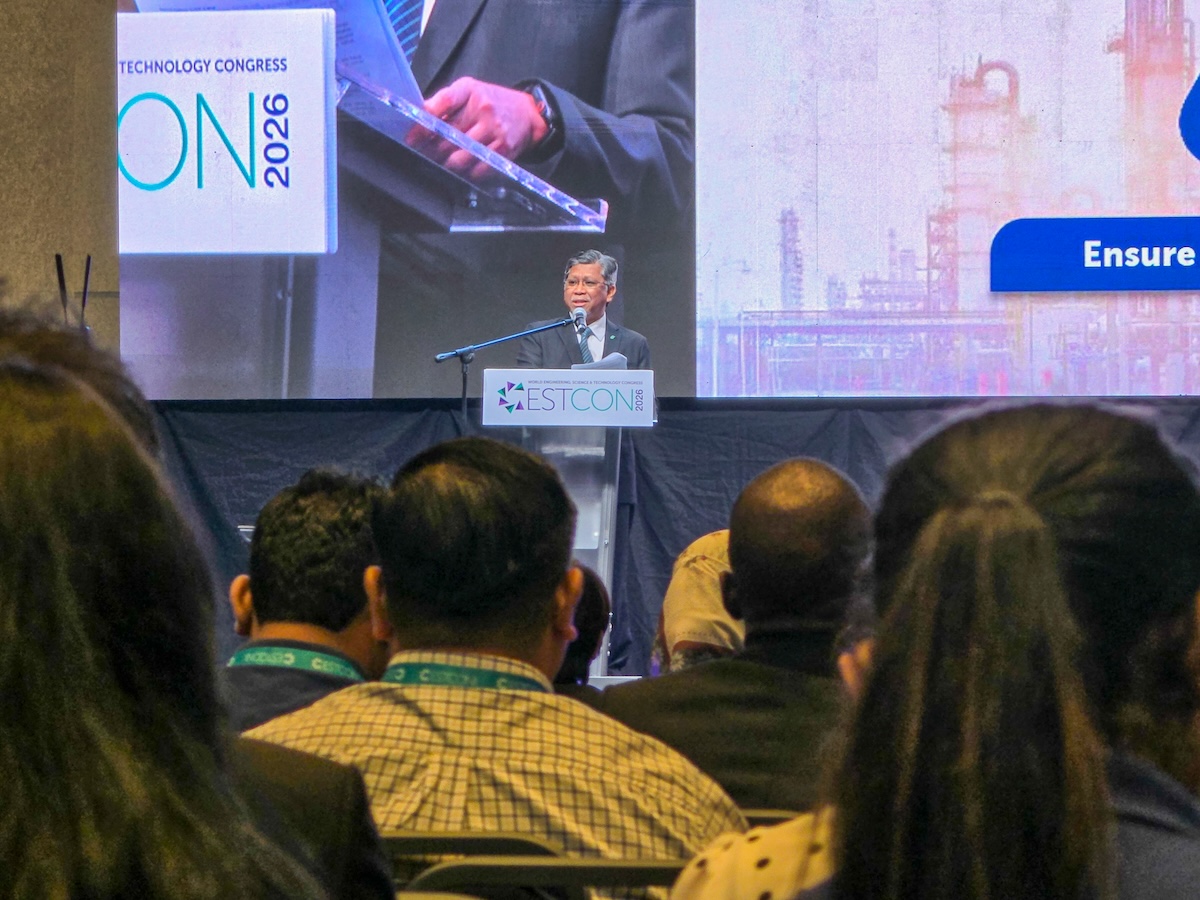
In a world shaped by geopolitical uncertainty, technological disruption, rising energy demand and the accelerating push towards decarbonisation, the future of energy cannot be defined by a single source or a single pathway.
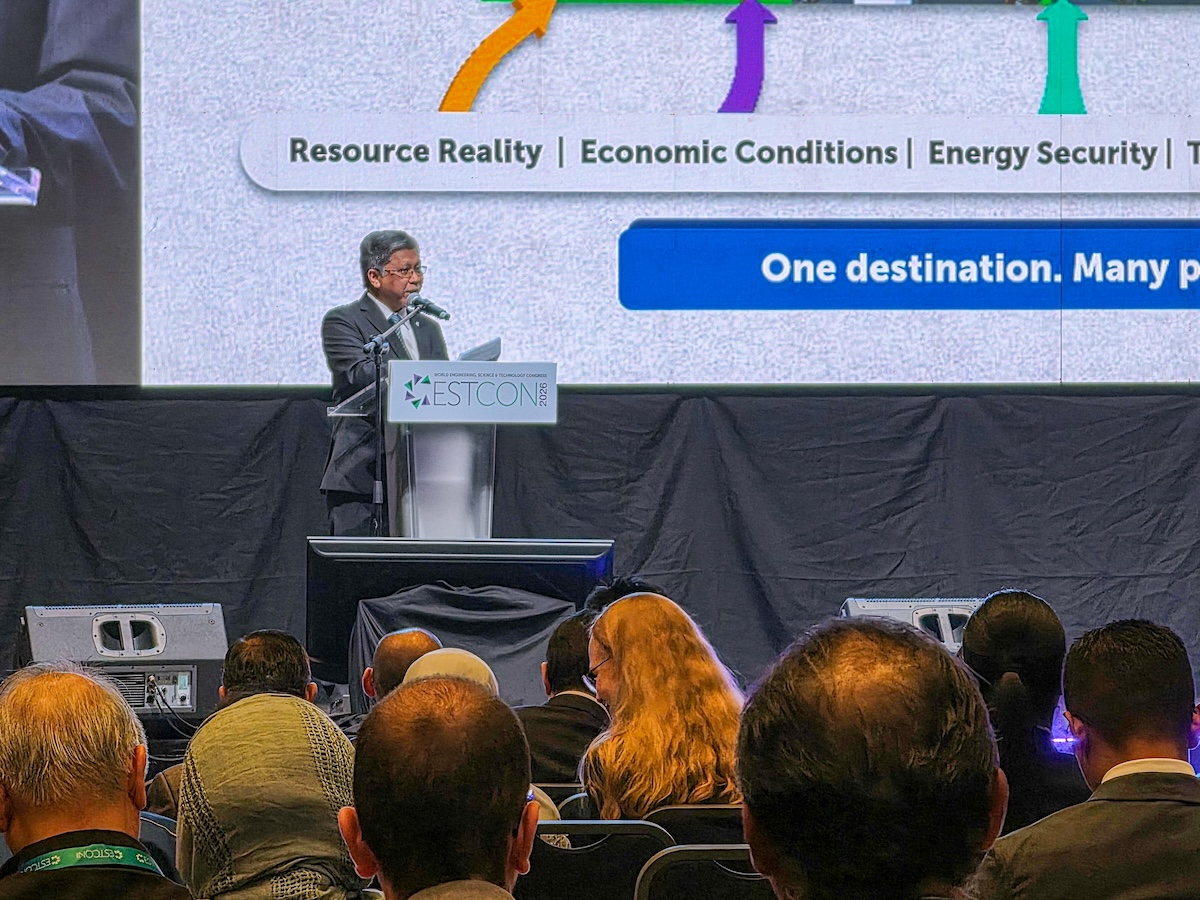
Delivering the first keynote at ESTCON 2026, Datuk Ir. (Dr) Datuk Bacho Pilong, Senior Vice President of Malaysia Petroleum Management, PETRONAS, called for a more pragmatic and resilient approach to the energy transition, one that recognises the continuing importance of oil and gas while accelerating innovation, digitalisation and the development of lower-carbon solutions.
He emphasised that the world faces a fundamental energy dilemma : energy must remain secure, affordable and sustainable at the same time.
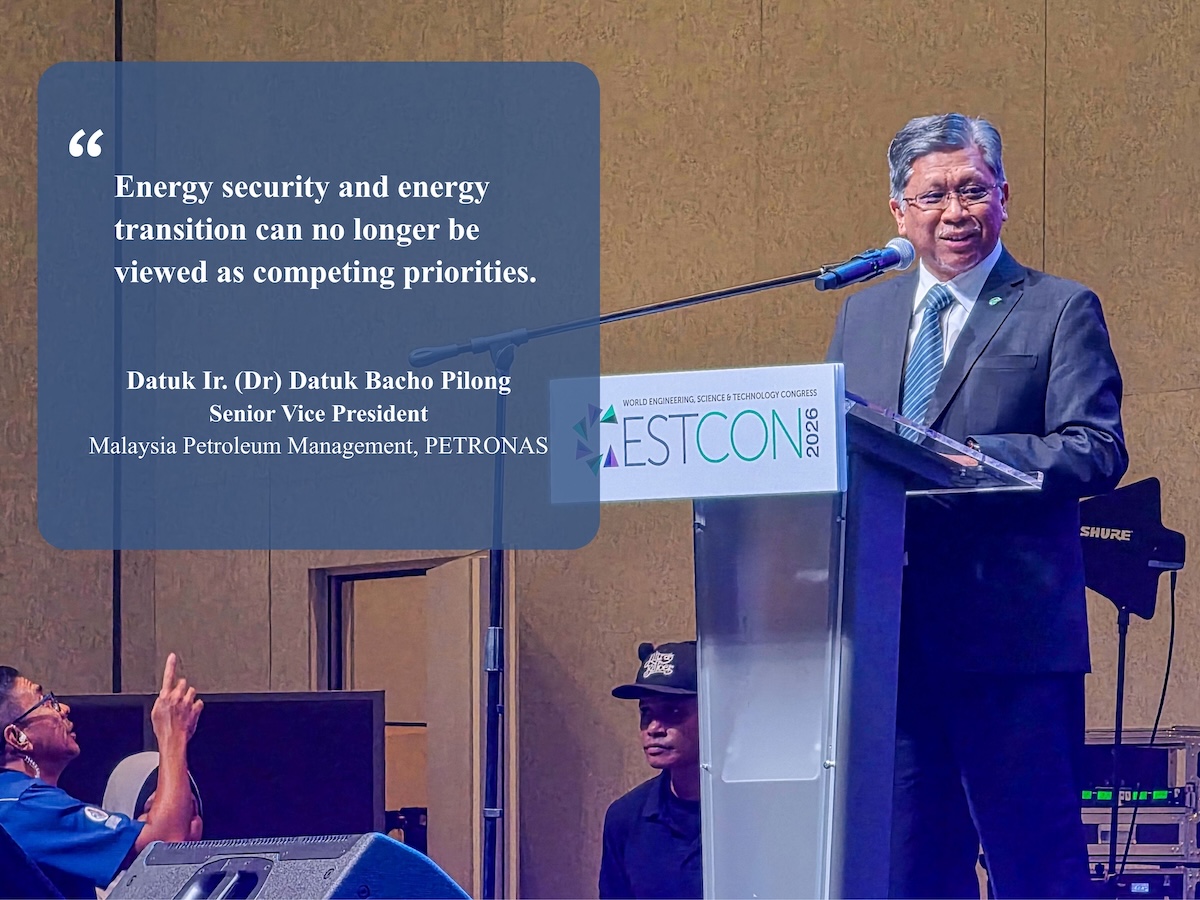
For Datuk Bacho, the challenge is not simply to produce enough energy, but to ensure that energy systems can withstand disruption, adapt to changing conditions and progressively reduce their carbon intensity.
The issue is particularly relevant to Southeast Asia, where industrialisation, urbanisation and digitalisation are driving rapid growth in energy demand. The expansion of sectors such as semiconductors, electric vehicles, advanced manufacturing and data centres is creating new demands on energy systems, with technology itself becoming both a driver of energy consumption and an enabler of transformation.
Building Resilient Energy Systems
Reflecting on major disruptions from the oil shocks of the 1970s and geopolitical conflicts to Hurricane Katrina, COVID-19 and the Russia-Ukraine conflict, Datuk Bacho noted that energy security has always been vulnerable to external shocks.
What has changed, however, is the speed at which those shocks can travel through an increasingly interconnected global energy system.
Energy security today therefore requires more than sufficient supply. It requires resilient systems that can absorb disruption, remain competitive and progressively move towards lower-carbon operations.
Reimagining Energy Security for a Changing World
No Single Pathway to the Energy Transition
Datuk Bacho also cautioned against viewing the energy transition as a one-size-fits-all journey.
Countries differ in their natural resources, infrastructure maturity, technological readiness and development priorities. While some may move more rapidly towards renewables, others will continue to rely on hydrocarbons while developing new capabilities.
For Malaysia, he advocated pragmatism, maximising the value of existing resources while improving efficiency and environmental performance, while simultaneously pursuing emerging opportunities where Malaysia has the capability and competitive advantage to succeed.
The future energy mix, he suggested, will therefore require multiple solutions, potentially bringing together oil and gas, liquefied natural gas (LNG), renewables, electrification, hydrogen and carbon capture.
From Volume to Value
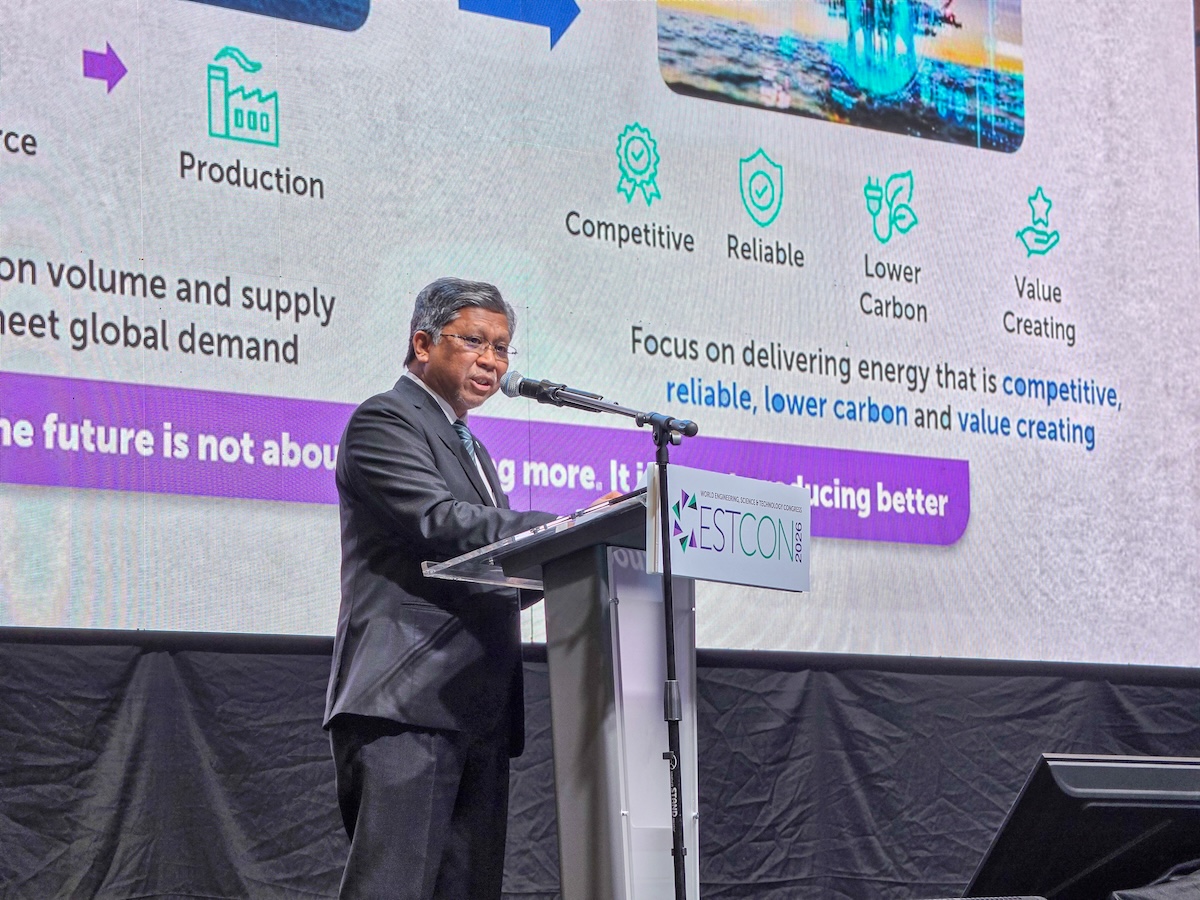
One of the key shifts highlighted was the need for the oil and gas industry to move beyond a traditional focus on production volume.
The future, he argued, will demand a greater focus on advantaged resources, particularly those that are commercially viable, efficient to develop and lower in emissions.
This means moving:
from volume to value,
from resources to advantaged resources,
and from simply producing energy to producing energy that remains competitive in a changing market.
For an industry operating on long-term horizons, these decisions matter because the investments and choices made today will shape tomorrow’s energy system.

Digitalisation Changes the Equation
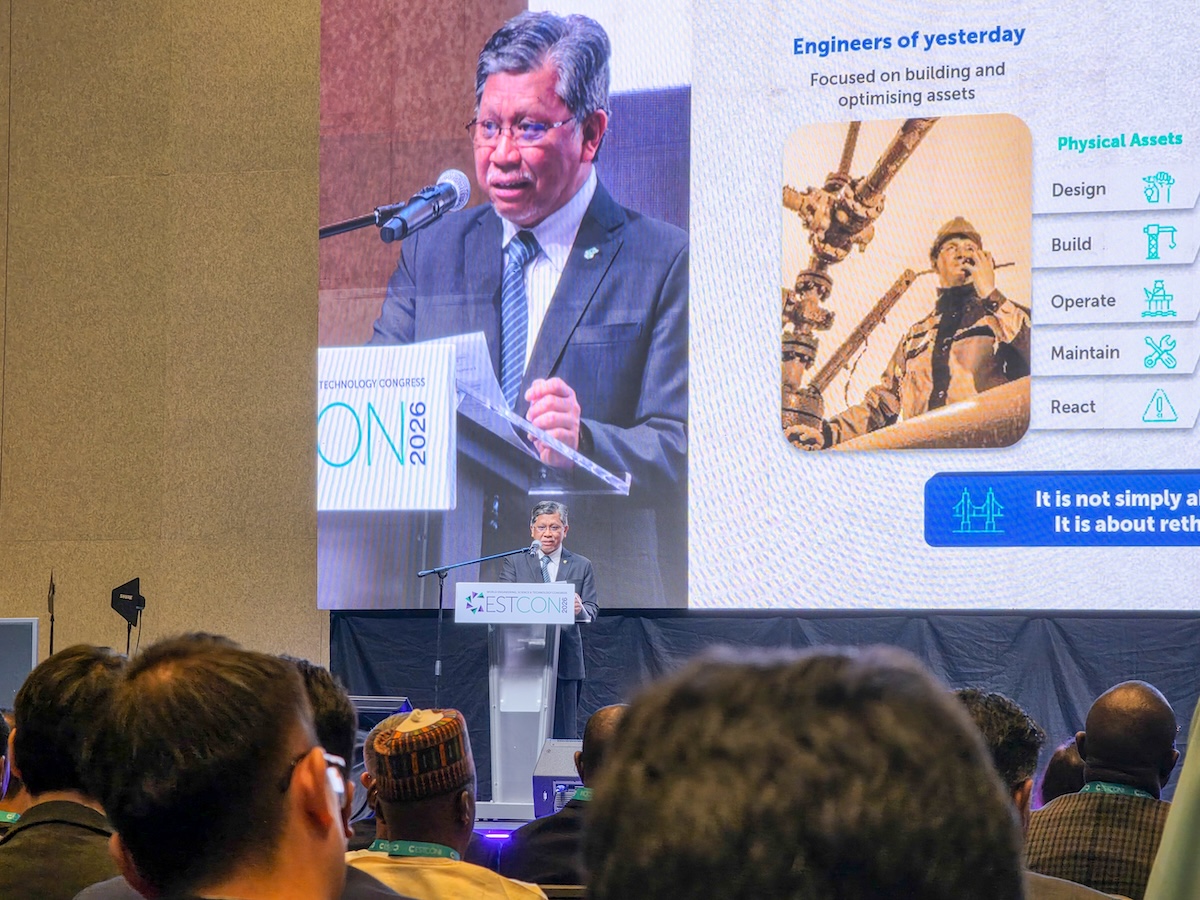
Digitalisation, AI and automation are also transforming how the industry operates.
Reflecting on his own early engineering career three decades ago, Datuk Bacho recalled a time when engineers largely worked with what they could physically see, inspect and measure. Today, physical assets are increasingly connected to digital layers, with sensors providing real-time information, digital twins simulating system behaviour, automation handling repetitive or hazardous activities, and AI helping identify patterns and anticipate problems.
But technology alone does not constitute transformation.

insights to actions and actions into results

Interestingly, digitalisation is also creating new energy challenges. Datuk Bacho pointed to the rapidly growing electricity requirements of data centres, noting that global data-centre electricity consumption was around 400 TWh in 2024 and is expected to more than double by 2030.
As AI and digitalisation expand, therefore, the industry must simultaneously manage rising energy demand while using technology to improve efficiency and reduce emissions.
Turning Today’s Capabilities into Tomorrow’s Solutions
Rather than viewing the energy transition as starting from zero, Datuk Bacho argued that the oil and gas industry already possesses many capabilities that can be applied to emerging energy challenges.
Deep subsurface expertise, well engineering, complex infrastructure, large-scale project delivery, risk management and the ability to deploy capital at scale can provide a foundation for opportunities in areas such as carbon capture and storage, hydrogen, low-carbon solutions and energy infrastructure.
The transition, in this sense, is not about abandoning everything that came before. It is about reapplying existing strengths to new challenges.
Engineering the Future Workforce
Perhaps one of the most significant messages of the keynote was directed not at technology, but at people.
As the energy system becomes more interconnected, tomorrow’s engineers must look beyond their individual disciplines. Technical excellence will remain essential, but it must be complemented by digital fluency, sustainability thinking, system leadership, commercial understanding and a willingness to keep learning.
Datuk Bacho also emphasised the importance of humility.
The engineers of the future, he said, must recognise that they will not always have all the answers, and that the best solutions often emerge through collaboration.
That requires universities and industry to rethink how talent is developed. Education cannot stop in the classroom. Students must be exposed to real industry challenges, where knowledge meets reality and capabilities are developed through experience.
Collaboration Will Drive the Transition
The scale of the energy transition means no single organisation can deliver it alone.
Datuk Bacho called for stronger collaboration between industry, academia and government, with each playing a distinct role: industry becoming more open about its challenges, academia becoming more ambitious in developing solutions, and government creating the environment for ideas to move from research into real-world impact.
He highlighted UTP’s collaboration with Malaysia Petroleum Management, PETRONAS, petroleum arrangement contractors, technology providers and the OGSE community through the MPM-UTP Nufrau Corporate Lab as an example of this approach.
Designed around unmanned facilities and remote, autonomous operations, the initiative represents more than a research facility. It provides a platform where regulators, industry, technology providers and future engineers can work together to develop, validate and scale solutions for real industry needs.
Engineering Tomorrow’s Energy Future
As the keynote drew to a close, Datuk Bacho returned to the central question: what future will the oil and gas industry help create?
The answer, he suggested, is not about choosing between today’s energy and tomorrow’s energy.
Oil and gas will continue to play a role in meeting global energy needs, but its future relevance will depend on the industry’s ability to supply that energy more efficiently, competitively and with progressively lower emissions.
The transition is therefore not an ending, but an evolution, one that will require innovation, resilience, collaboration and, above all, people capable of connecting today’s capabilities with tomorrow’s possibilities.
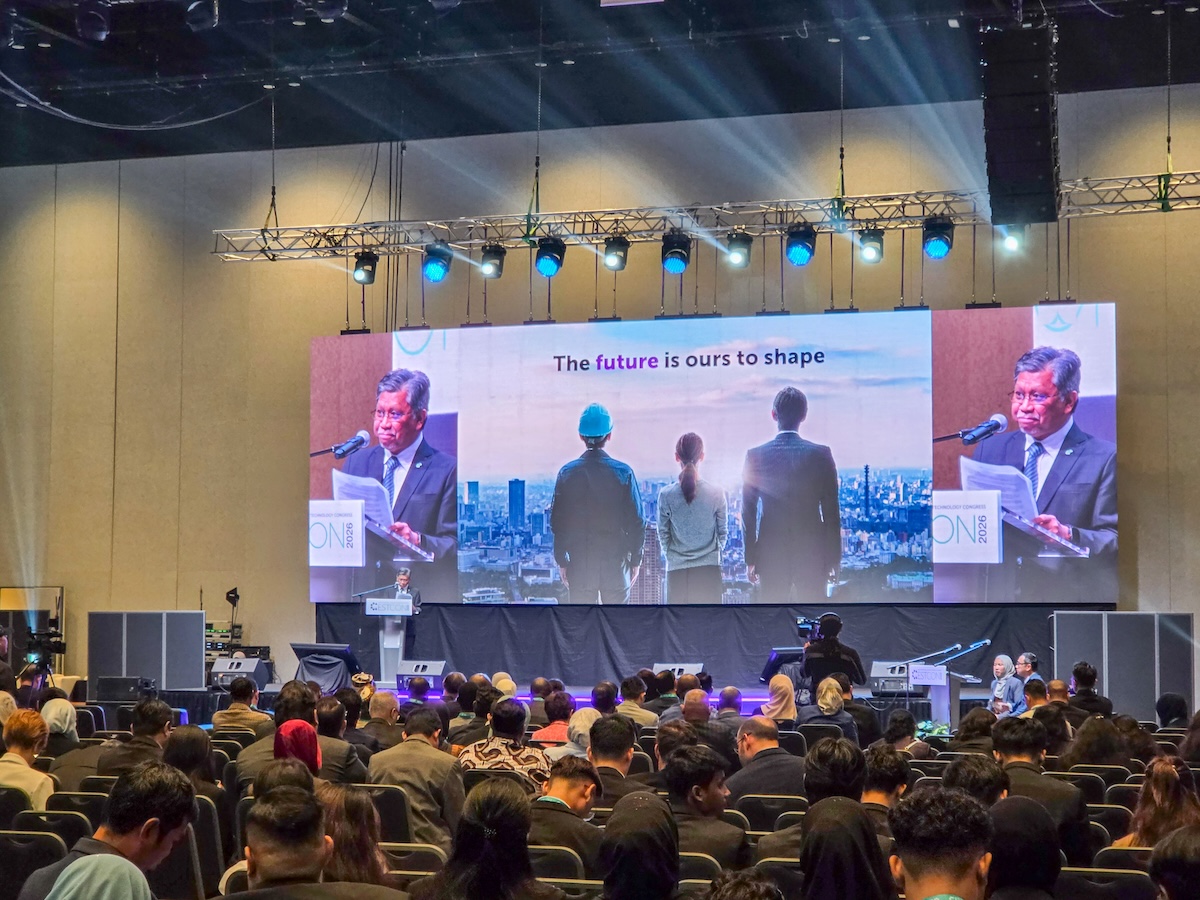
And perhaps the most powerful reflection from the keynote was this:
That, ultimately, was the challenge Datuk Bacho placed before the ESTCON 2026 community: not simply to respond to the energy transition, but to actively engineer what comes next.