As Malaysia strengthens its position as a leading meetings destination, Sabah International Convention Centre (SICC) is looking beyond the traditional role of a venue, seeking stronger connections with professional associations, greater international engagement and a wider role for Sabah in Malaysia’s Business Events landscape.
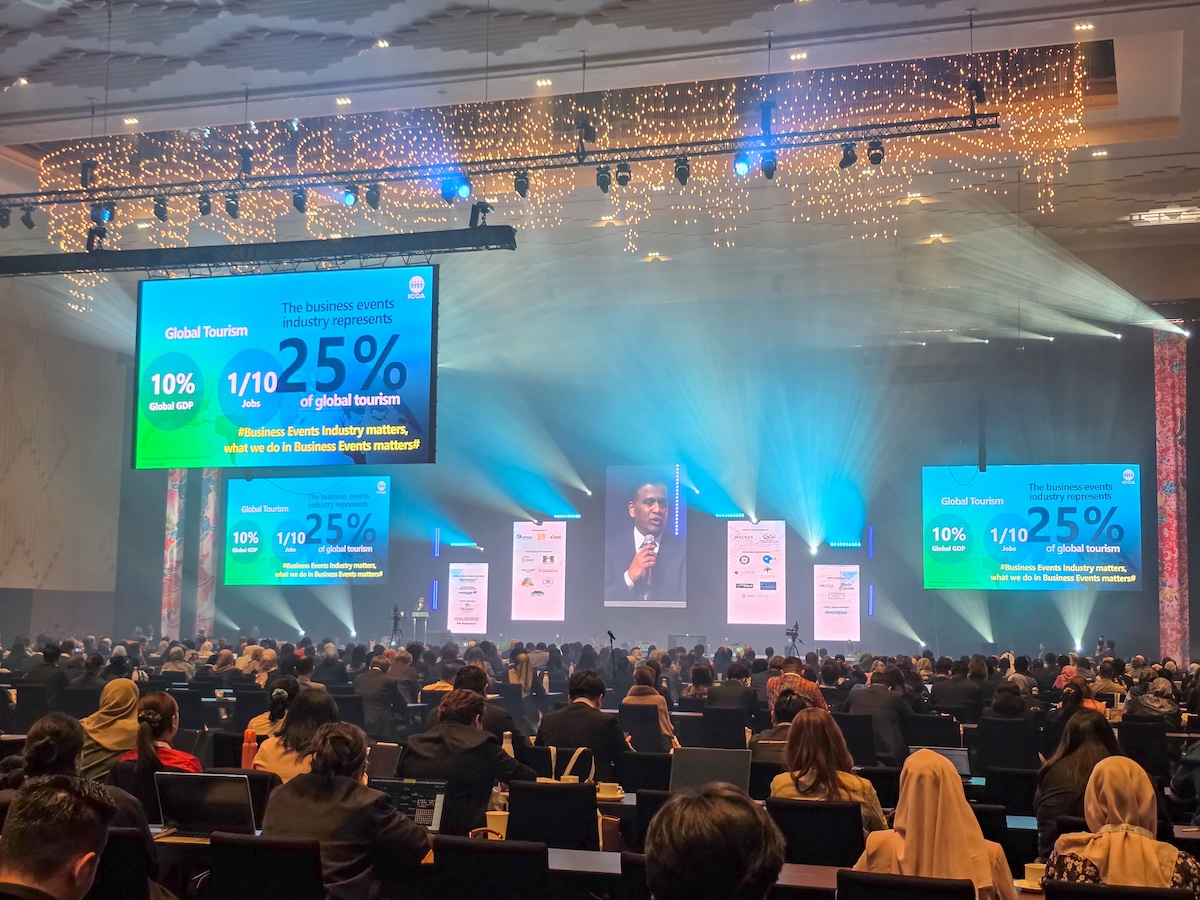
Malaysia’s recognition as Best Meetings Destination (Asia) 2026 at the M&C Asia Stella Awards is a significant achievement for the country’s Business Events industry. For Sabah International Convention Centre (SICC), however, the recognition also comes at a time when the industry is looking beyond destination credentials and infrastructure towards the relationships that can generate more international conferences, congresses and knowledge-based gatherings.
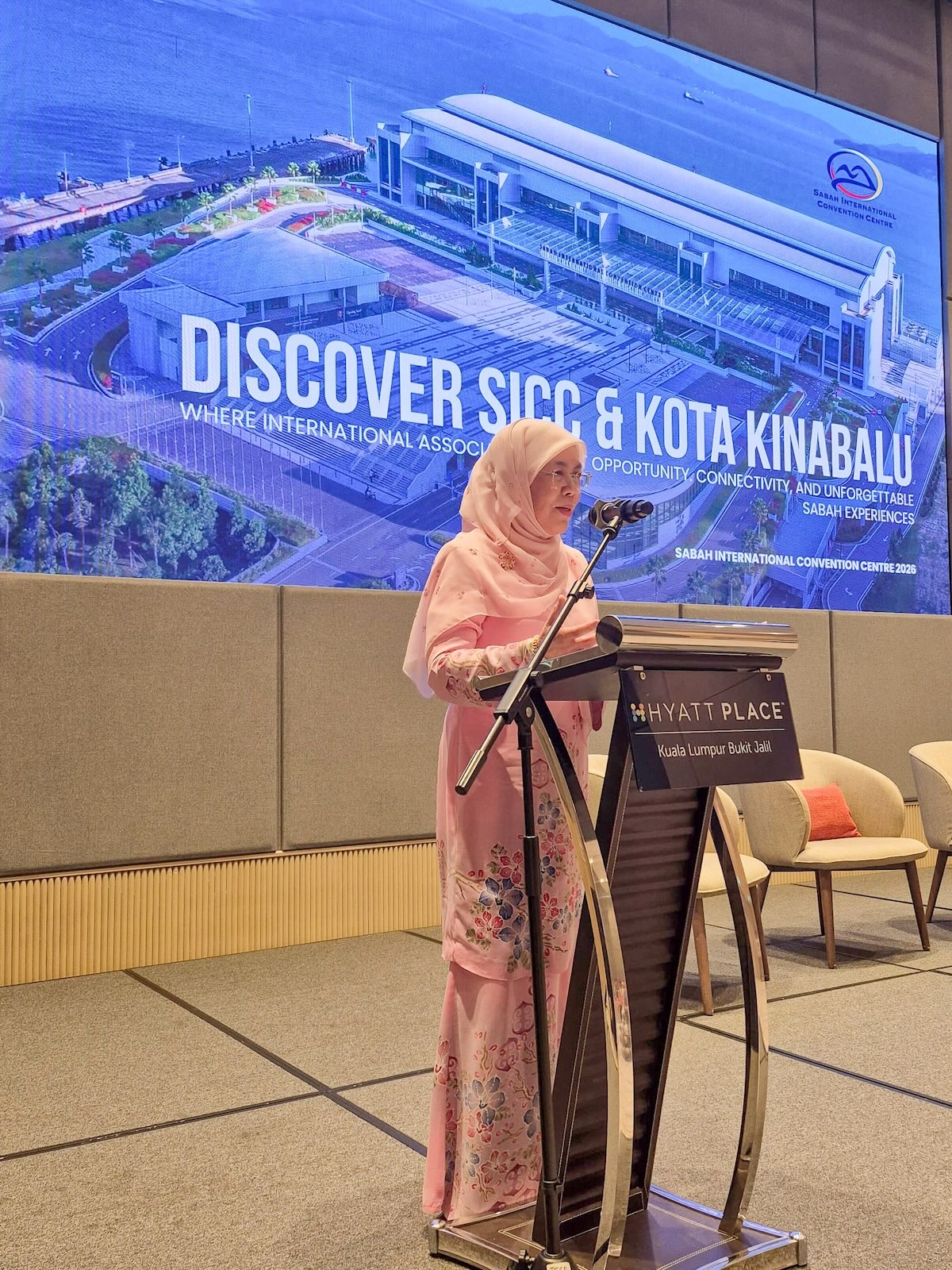
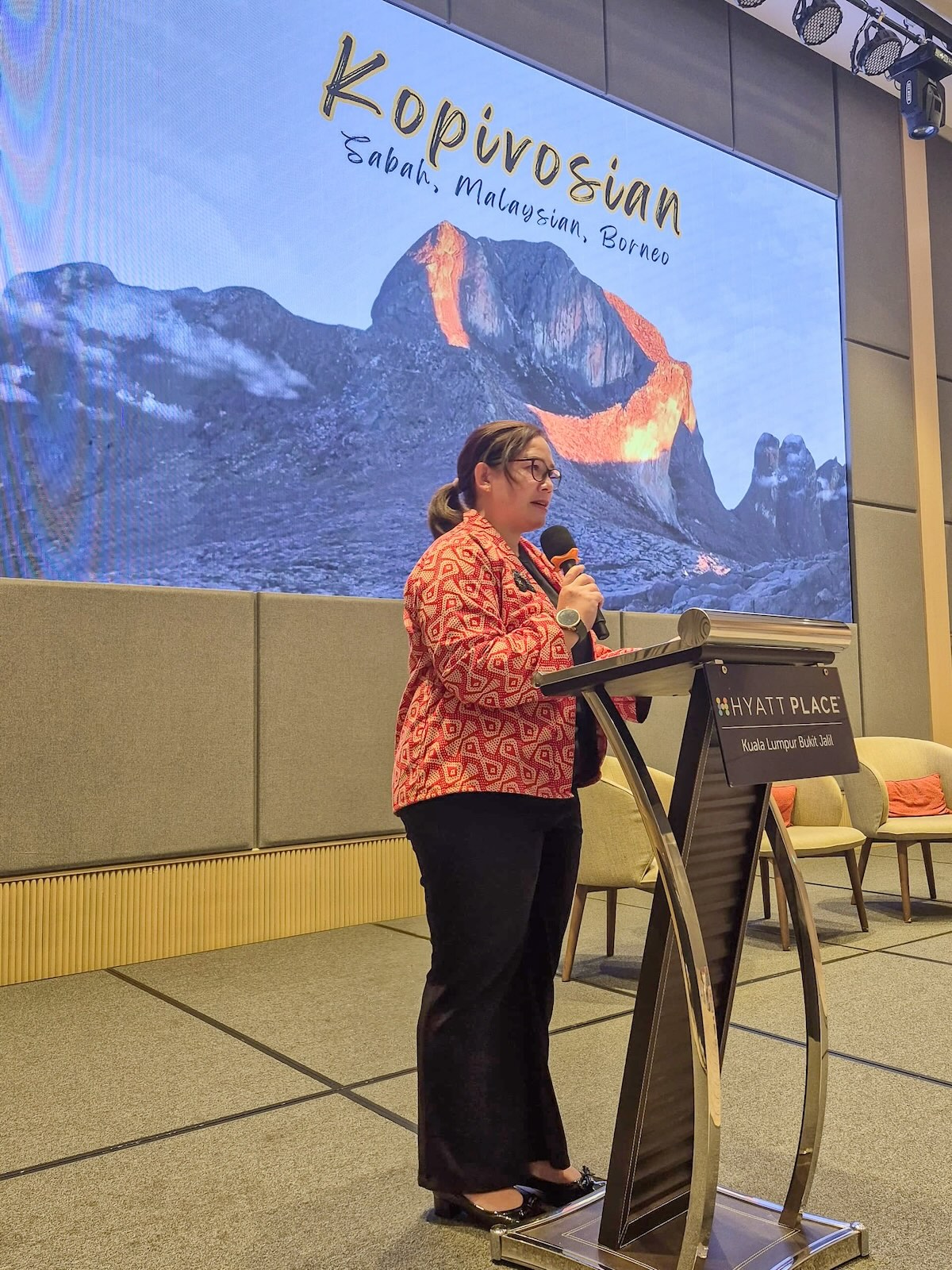
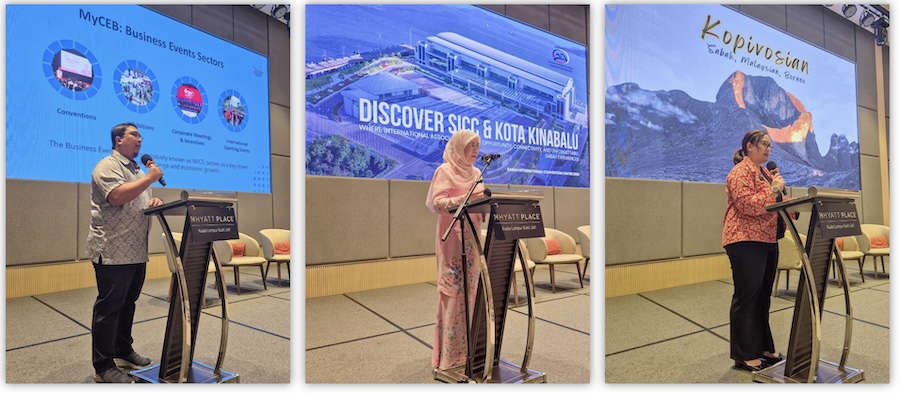
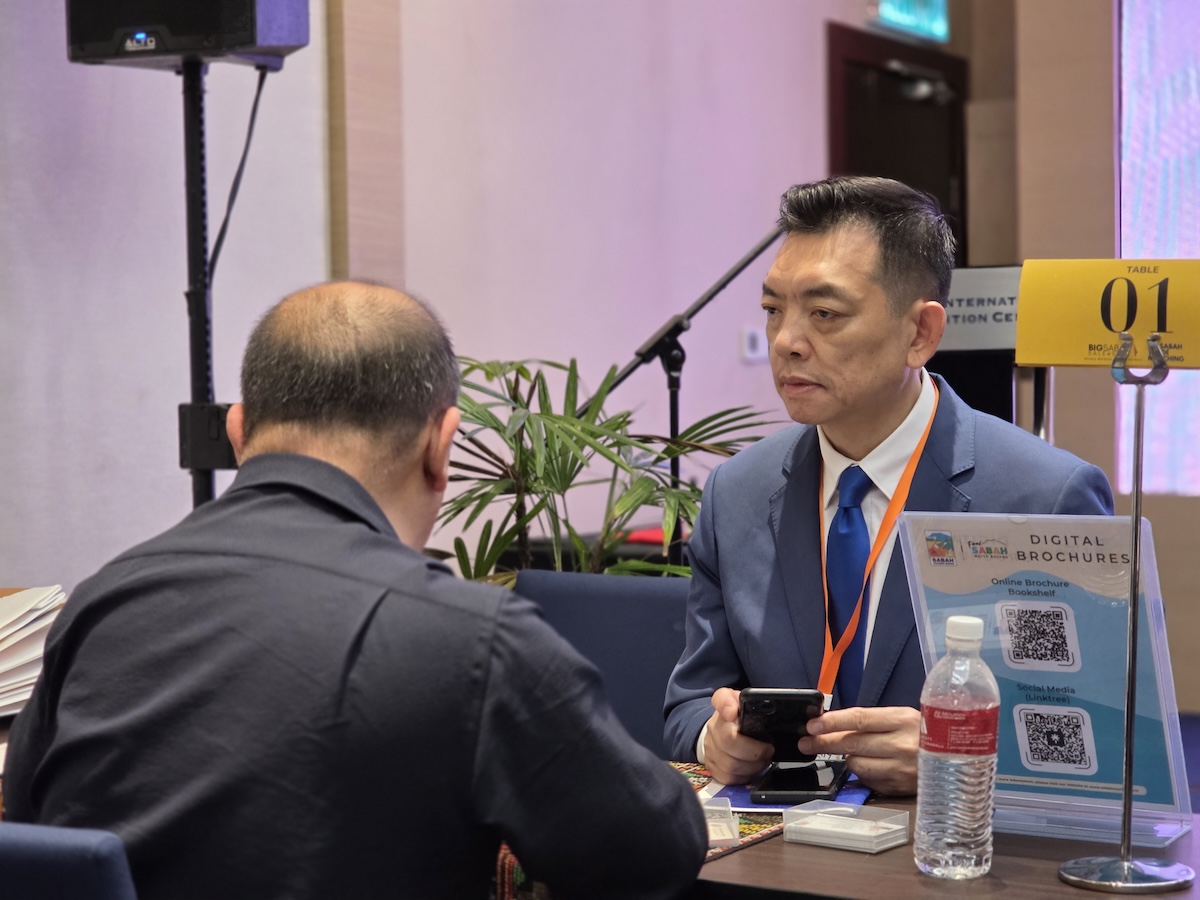
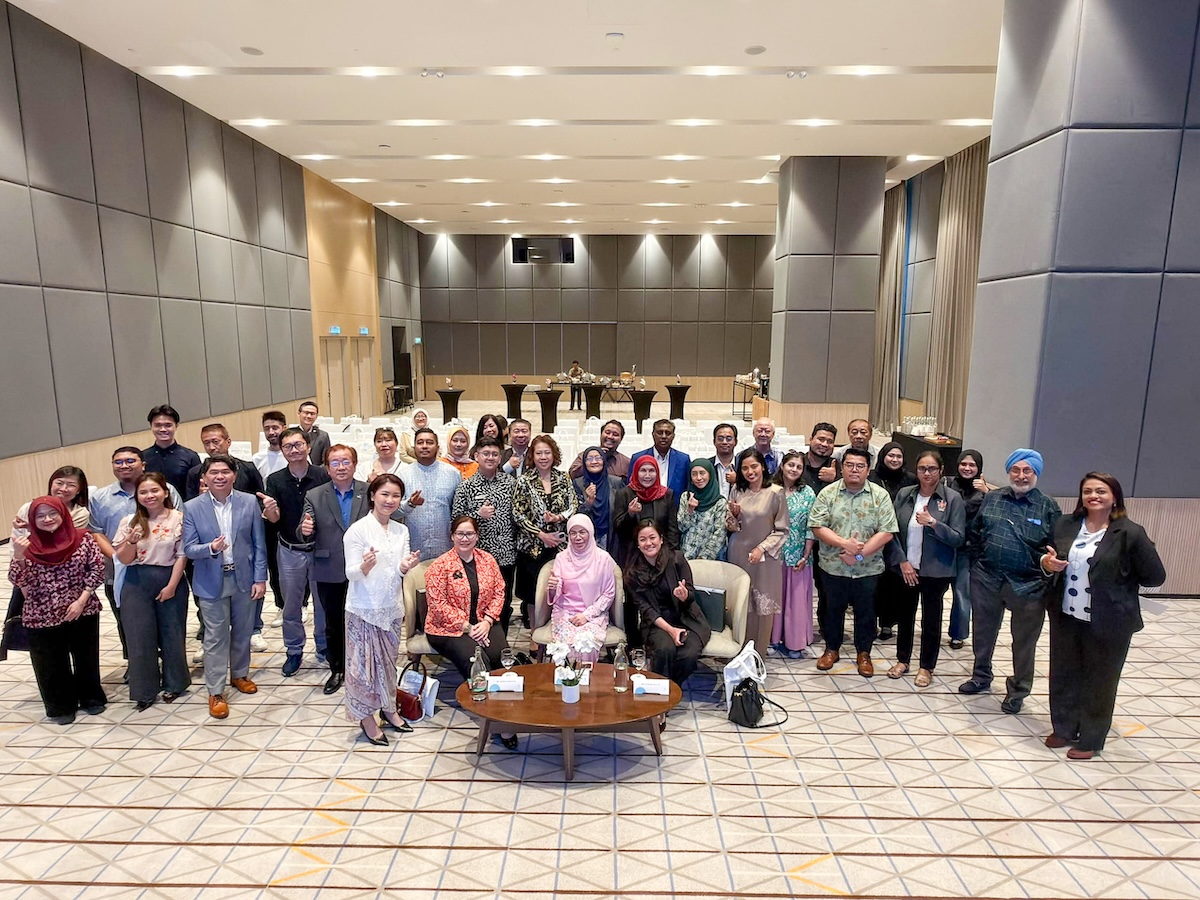
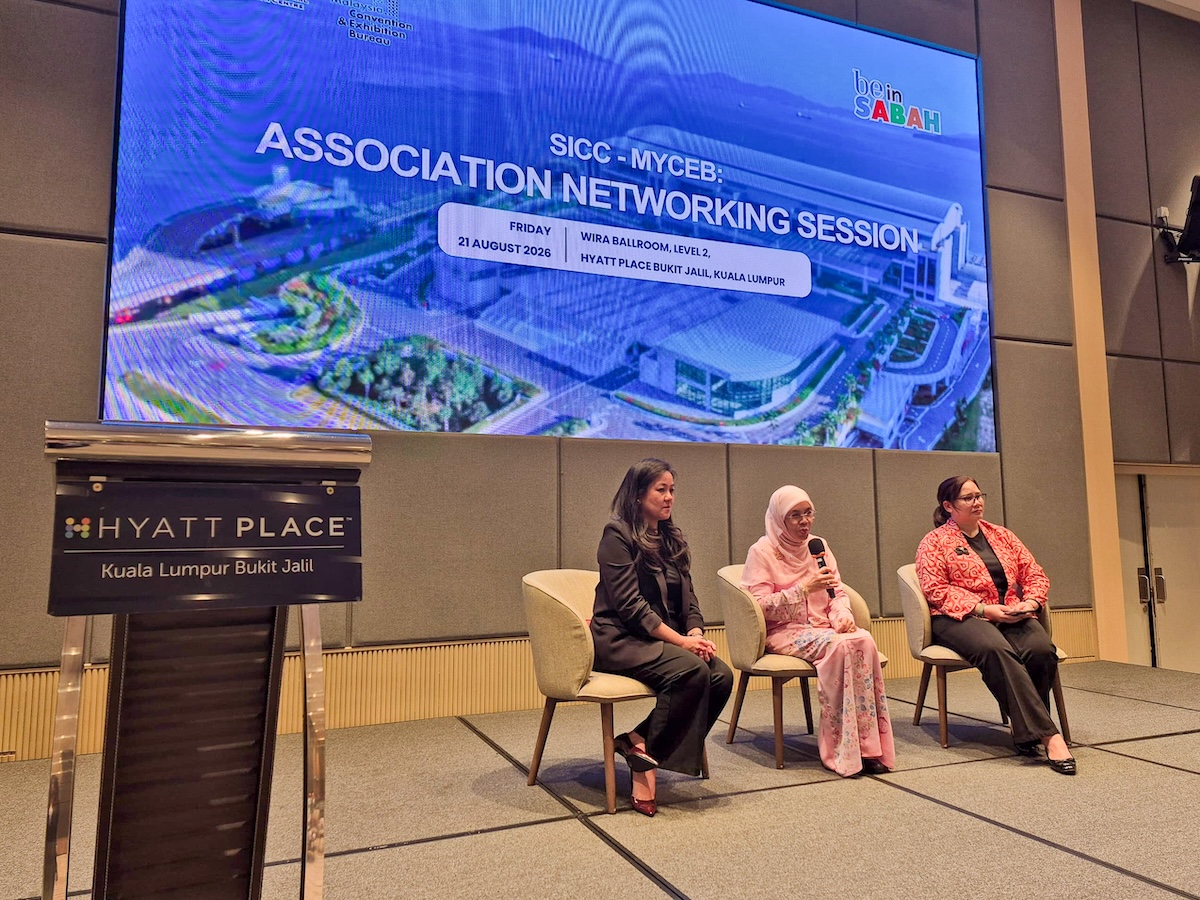
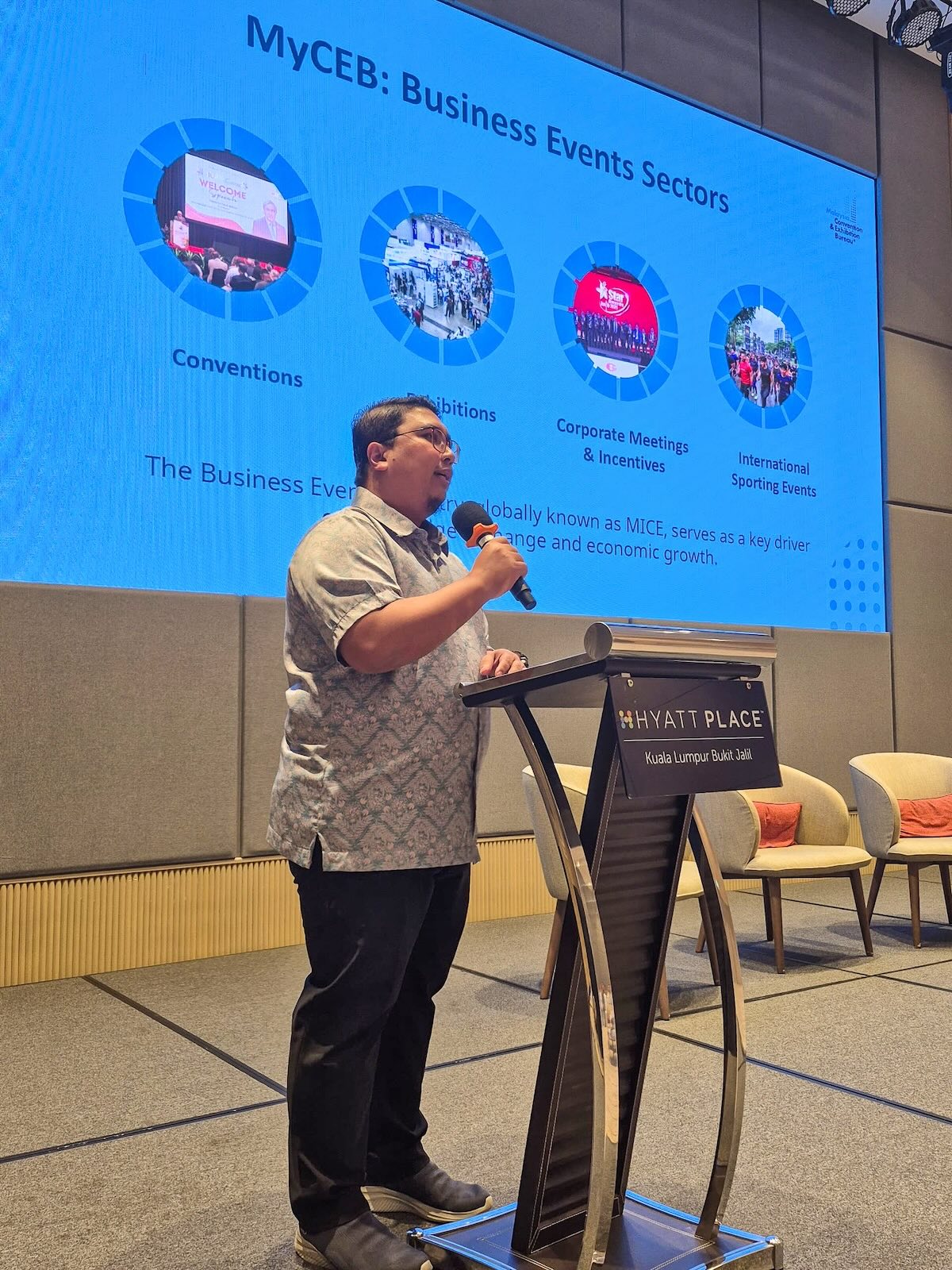
That was a central theme of the MyCEB x SICC Association Networking Session, held in Kuala Lumpur on 21 August 2026, where SICC, with the support of the Malaysia Convention & Exhibition Bureau (MyCEB), brought together Chairmen, Presidents and leaders of professional associations and organisations from across Peninsular Malaysia.
The engagement was more than a networking opportunity. It reflected SICC’s broader ambition to position itself not simply as a convention centre where events take place, but as an active participant in developing Malaysia’s Business Events industry, by creating connections, facilitating opportunities and bringing Sabah closer to professional communities and international markets.
Datuk Dr. Hajah Rosmawati Haji Lasuki, J.P., Chief Executive Officer of SICC, highlighted this broader role in her remarks, emphasising that associations, destinations, venues, MyCEB and industry partners each bring different strengths to Malaysia’s Business Events proposition.
Beyond the Convention Centre
When SICC first began its journey, Datuk Dr Hajah Rosmawati said its vision was never simply to become a place where events are held.
The centre has sought to play a larger role in developing the Business Events industry by creating opportunities, bringing knowledge and expertise closer to Sabah, and building stronger connections between Sabah, Malaysia and the international community.
That positioning is significant because the role of a convention centre is increasingly extending beyond its physical infrastructure.
A modern Business Events destination is part of a wider ecosystem involving professional associations, government agencies, industry organisations, convention bureaux, venues, hotels, businesses, universities and communities.
SICC’s latest engagement with association leaders reflects an effort to strengthen one of those critical links.
Professional associations bring together the knowledge and expertise of their respective professions. Through their national, regional and international networks, they are also connected to wider communities of researchers, academics, professionals and industry leaders.
For Malaysia, those relationships can be strategically important in identifying opportunities to host international conferences and congresses, while simultaneously bringing international expertise and knowledge to Malaysian professionals.
In that context, building stronger relationships with associations is not simply about securing more events for a venue. It is about strengthening the connections through which Malaysia can participate in larger international professional and knowledge networks.
The Value of Business Events Beyond the Numbers
The discussion also points to a broader understanding of what Business Events can deliver.
Delegate numbers and economic contribution remain important measures. But Datuk Dr Hajah Rosmawati stressed that the value of an international conference extends beyond the immediate activity generated during the event.
An international conference can bring knowledge, expertise and new perspectives closer to local communities, while creating opportunities for professionals, academics, researchers and young talent to connect with counterparts from around the world. At the same time, Malaysia has considerable expertise of its own to contribute to international conversations.
For Datuk Dr Hajah Rosmawati Rosmawati, this is part of the wider value of Business Events, bringing people together in ways that create impact beyond the event itself. The economic contribution generated by delegates matters, but so too do the knowledge exchanged, relationships built and opportunities that can continue after a conference has concluded.
That perspective broadens the traditional way destinations measure Business Events.
The value of a conference is not necessarily exhausted when delegates leave.
The relationships created, knowledge exchanged, professional networks developed and opportunities generated can continue well beyond the closing session.
For destinations such as Sabah, this wider impact provides an opportunity to position Business Events not simply as an economic or tourism activity, but as a platform for professional development, knowledge exchange, industry engagement and international collaboration.
From Hosting Events to Creating Platforms
SICC is also demonstrating this ambition through the development of its own Business Events platforms.
BE in SABAH 2026 welcomed 864 delegates from 26 countries, generating RM1.65 million in direct delegate expenditure and an estimated RM4.95 million in total economic impact, according to SICC.
The significance of the platform extends beyond those figures.
In her speech, Datuk Dr Hajah Rosmawati pointed to BE in SABAH as an example of how an initiative can develop into an international meeting point for Business Events leaders, creating conversations and connections that extend beyond Sabah.
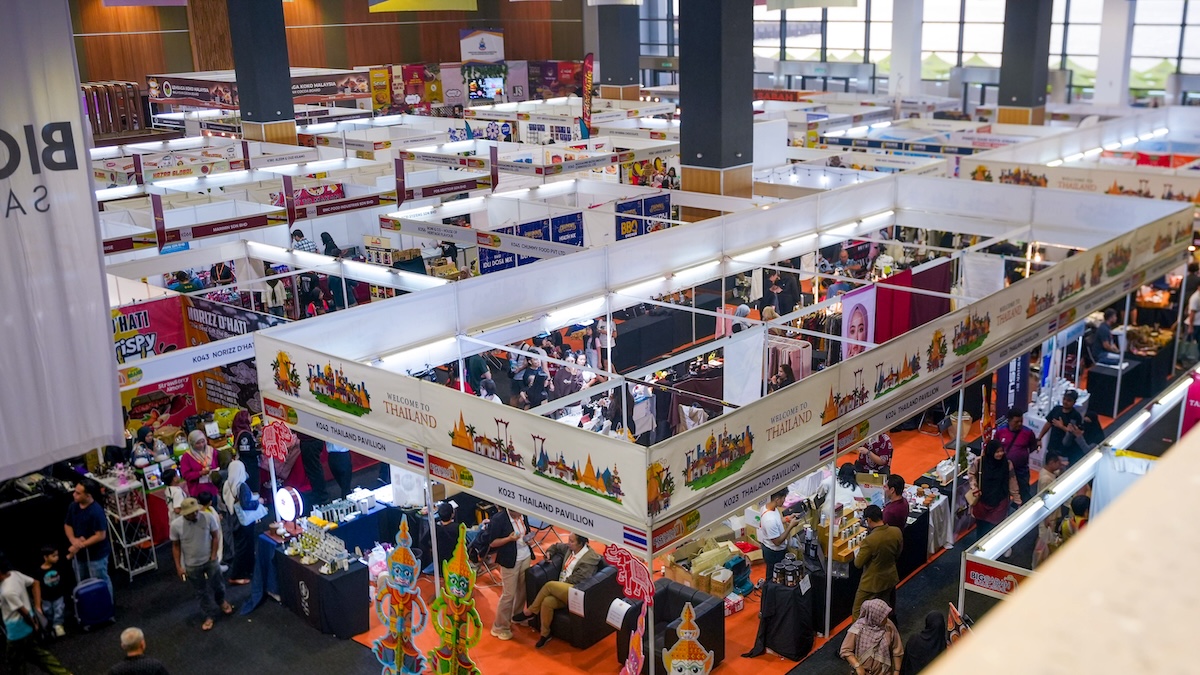
Datuk Dr Hajah Rosmawati also highlighted BIGSABAH Sale, which welcomed more than 80,000 visitors in 2025 and featured 650 booths, as another example of SICC’s ability to support platforms that connect businesses, entrepreneurs, consumers and opportunities across the region.
The underlying ambition is clear: SICC does not want only to host events created elsewhere; it wants to help create and grow platforms with their own communities and international reach. That represents a different level of destination ambition.
Hosting an externally originated event demonstrates a destination’s capacity. Creating and growing a home-grown platform demonstrates its ability to build an ecosystem around an event.
Positioning Sabah Within East ASEAN
The next dimension of SICC’s positioning is regional.
The networking session highlighted the opportunity to strengthen Malaysia’s connections with East ASEAN, particularly through the Brunei Darussalam–Indonesia–Malaysia–Philippines East ASEAN Growth Area (BIMP-EAGA).
The SICC release describes the subregion as representing approximately 82.7 million people and more than US$411 billion in combined GDP, creating potential for trade, investment, professional collaboration and Business Events.
For Sabah, its geographical position provides a natural basis for pursuing this wider regional role.
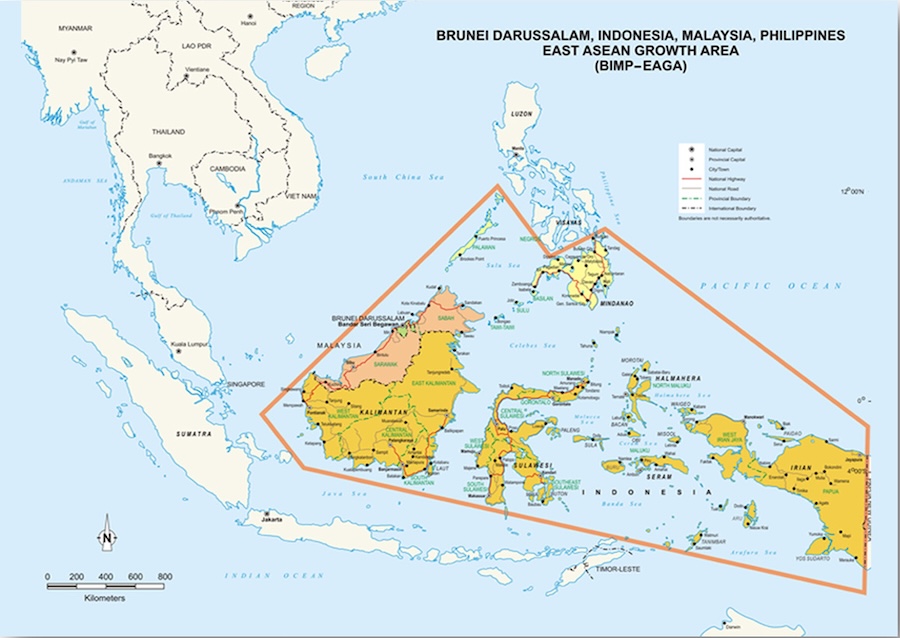
Datuk Dr Hajah Rosmawati spoke of the ambition to position Sabah as an East Asian gateway and to extend its reach into the broader Asia-Pacific market, creating opportunities for international associations, businesses, professionals and communities to connect, collaborate and grow.
For SICC, that means strengthening relationships not only within Malaysia but also with professional and business communities across neighbouring markets.
For Malaysia, Sabah’s regional positioning can complement the country’s wider Business Events proposition by providing another gateway through which international associations and organisations can connect with East ASEAN.
Collaboration as a Competitive Advantage
The broader message from the Kuala Lumpur engagement is therefore not about one venue competing against another.
It is about how the various parts of Malaysia’s Business Events ecosystem can work more closely together.
Associations bring professional communities, expertise and international networks; MyCEB provides national-level industry support and connections; Convention centres provide the infrastructure, expertise and destination interface required to host major gatherings; Destinations provide the wider environment in which delegates can experience, connect with and engage with a place; Industry partners bring the specialised capabilities needed to deliver successful events.
The opportunity comes when these strengths are connected.
SICC’s engagement with association leaders, supported by MyCEB, is therefore part of a wider effort to build those connections. The session brought together association leaders, MyCEB, SICC and industry representatives to explore opportunities for greater collaboration and engagement.
For SICC, that collaboration also supports its ambition to bring more international conferences and congresses to Sabah while creating greater opportunities for local industries and people to participate in the wider Asia-Pacific economy.
A Bigger Role for SICC and Sabah
The significance of the MyCEB–SICC engagement ultimately lies in what it says about the evolving role of a convention centre.
SICC is positioning itself as more than a physical meeting place. Its ambition encompasses industry development, international connections, home-grown platforms, association engagement and a stronger regional role for Sabah.
That ambition also reflects a broader evolution in the Business Events sector.
The most valuable events are not necessarily those that simply bring the largest number of delegates into a destination. They can be those that create lasting professional relationships, transfer knowledge, strengthen industries, develop talent and connect local communities to international networks.
For Sabah, the opportunity is to capture more of that value while strengthening its position within Malaysia’s wider Business Events ecosystem and its connections with East ASEAN.
For Malaysia, the opportunity is to build on its growing international recognition by deepening the relationships that can bring global professional communities to the country.
And for SICC, the ambition goes beyond filling a calendar.
It is about building connections, creating platforms and giving Sabah a stronger role in the conversations that shape the future of Business Events in Malaysia, East ASEAN and beyond.
Ultimately, winning the next generation of international events may depend as much on building the right relationships as having the right venue.