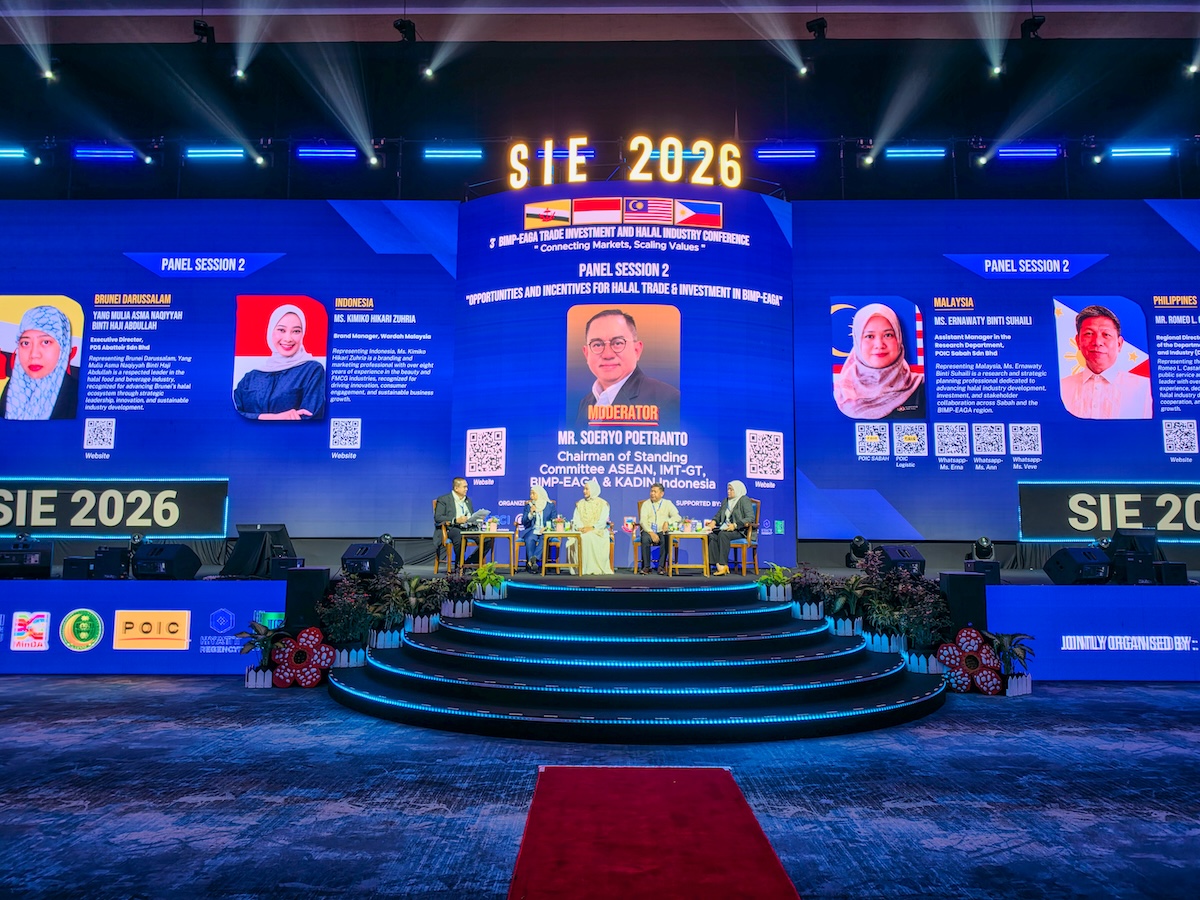
The session explored how BIMP-EAGA can move beyond the potential of the halal economy to create practical opportunities for trade, investment, supply-chain development and cross-border collaboration.
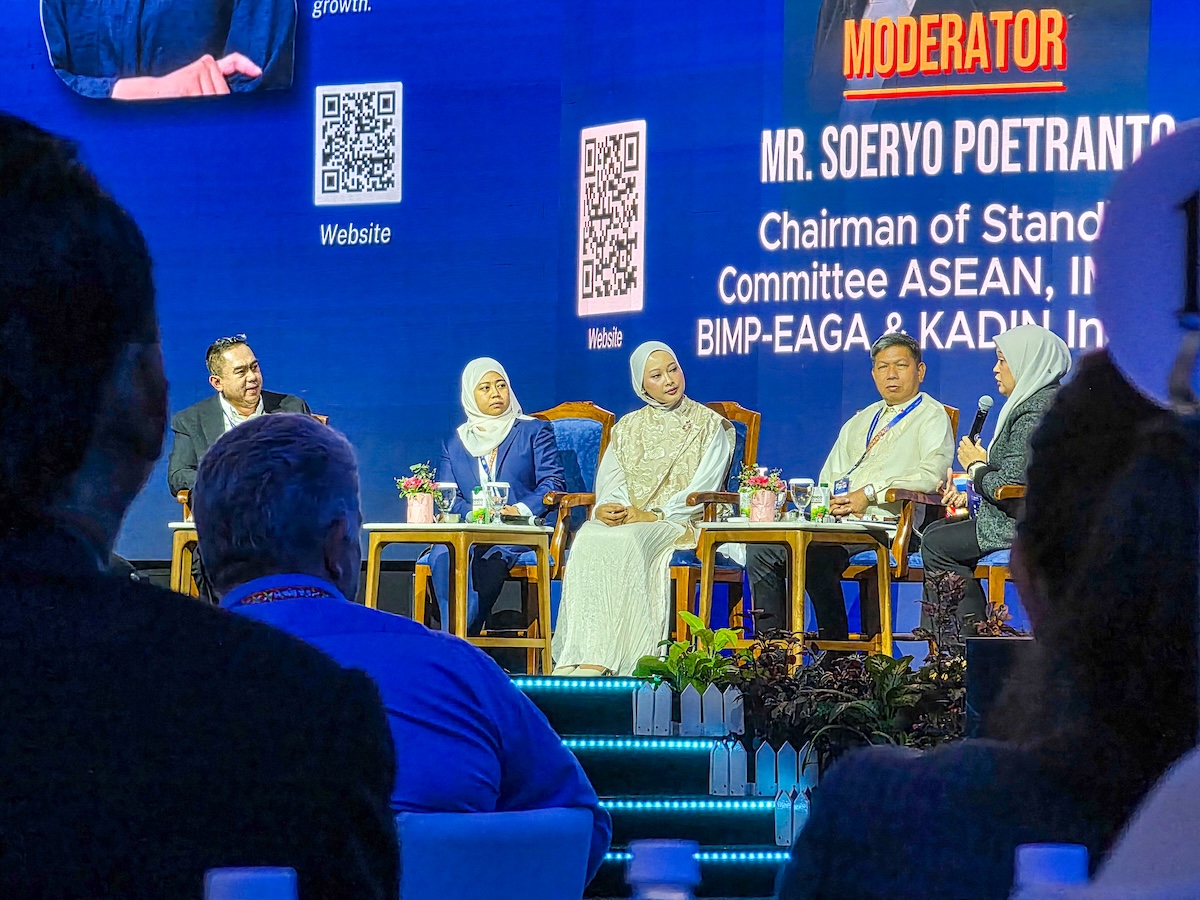
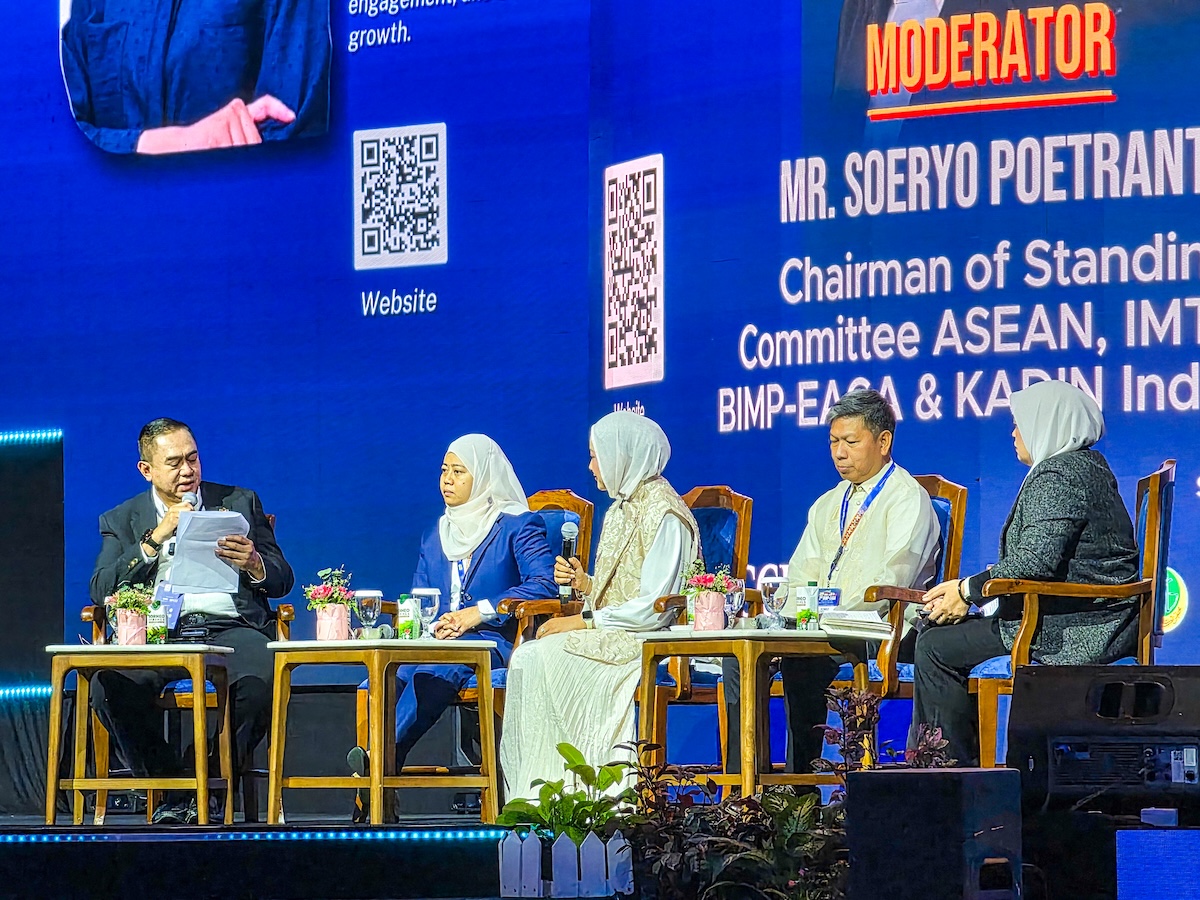
Moderated by Soeryo Poetranto, Chairman of Standing Committee ASEAN, IMTGT, BIMP-EAGA & KADIN, Indonesia, the session brought together perspectives from Brunei Darussalam, Indonesia, the Philippines and Malaysia, highlighting the importance of stronger regional connectivity, supportive policies, strategic infrastructure and market-driven collaboration.
From Halal Potential to Regional
Value Chains
Building Stronger Regional Supply Chains
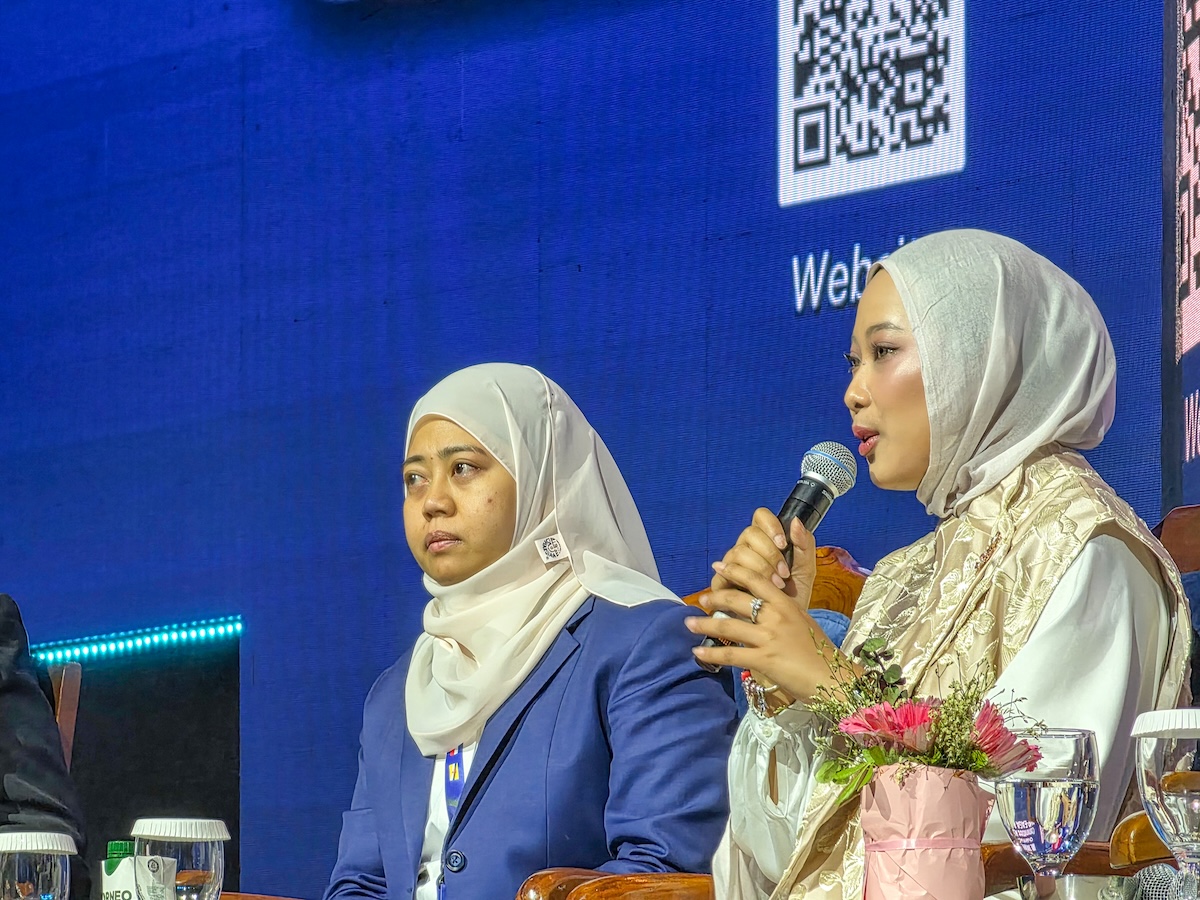
For Asma Naqiyyah Binti Haji Abdullah, Executive Director, PDS Abattoir Sdn Bhd, the potential for BIMP-EAGA collaboration is both clear and significant. She identified supply chains, halal standards and innovation as three key areas where regional cooperation can create greater value.
Stronger connections between producers and distributors across borders, supported by efficient logistics and cold-chain systems, can help halal products move more smoothly throughout the region.
At the same time, greater sharing and alignment of halal best practices can build trust and make halal trade easier, faster and more credible, both within BIMP-EAGA and beyond.
Innovation can further strengthen this ecosystem through technologies such as digital traceability, sustainable practices and advanced logistics, ensuring that halal assurance remains transparent, trusted and future-ready.
Beyond trade, Asma emphasised that collaboration can strengthen the region’s economic resilience by reducing supply-chain vulnerabilities and encouraging knowledge sharing across areas such as governance, sustainability, animal welfare and certification.
For PDS Abattoir, this means working alongside partners across Brunei, Malaysia, Indonesia and the Philippines to build bridges, share expertise and innovate together.
Building Brands That Resonate Across Markets
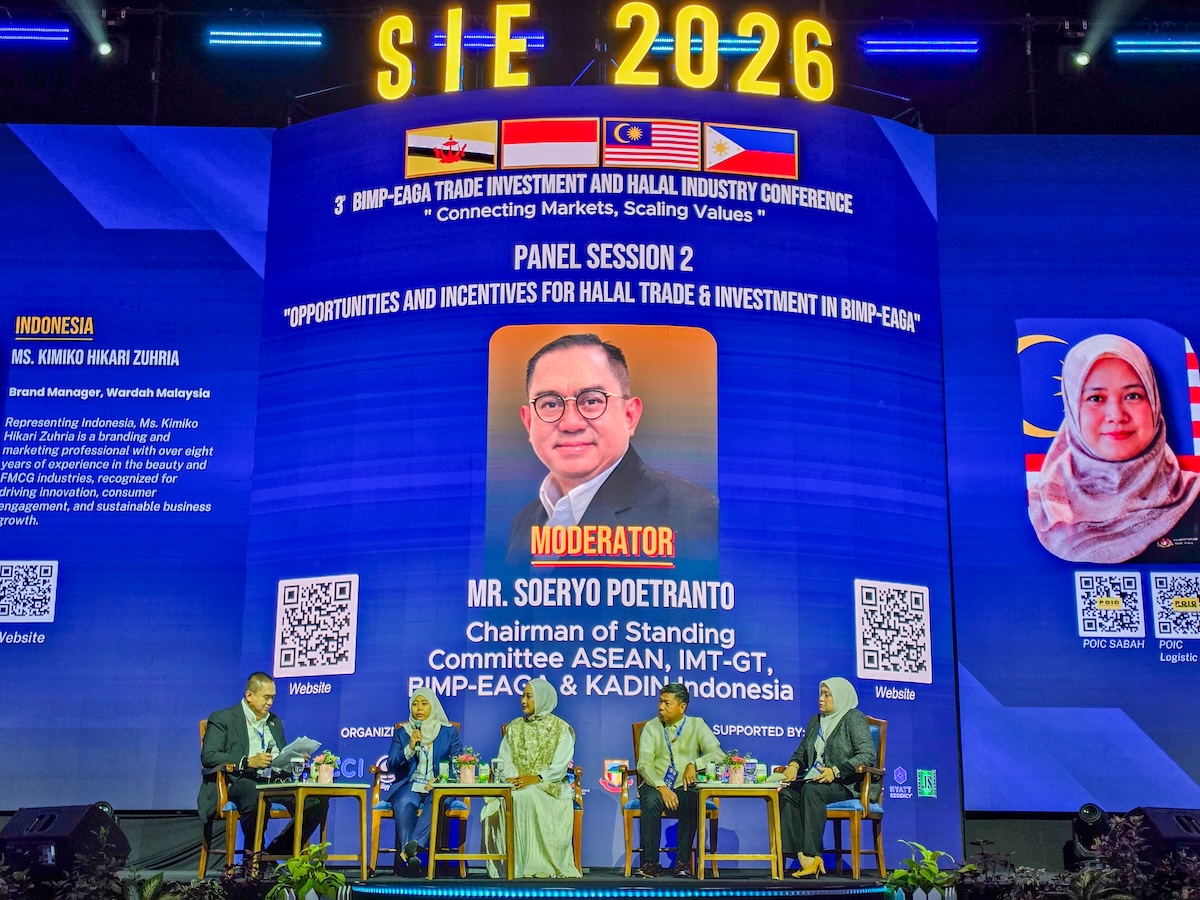
While supply chains and infrastructure are essential, Kimiko Hikari Zuhrina, Brand Manager, Wardah Malaysia, highlighted another critical element of successful halal trade: understanding the consumer.
For Wardah, halal certification, innovative products and effective ingredients are fundamental, but building a strong brand requires more than product attributes.
The brand’s campaigns focus on stories that consumers can recognise as their own, stories that reflect their experiences, aspirations and challenges. This approach has enabled Wardah to build emotional relevance across markets by creating campaigns that encourage women to feel confident, represented and empowered to make a positive impact around them.
The lesson for halal businesses looking to expand regionally is clear: market expansion is not only about distribution; it is also about cultural understanding, consumer insight and building trust through meaningful brand stories.
A strong halal brand must therefore connect its values with the lives of its consumers, rather than simply communicating that a product is halal.
Government Support as a Catalyst for Halal Investment
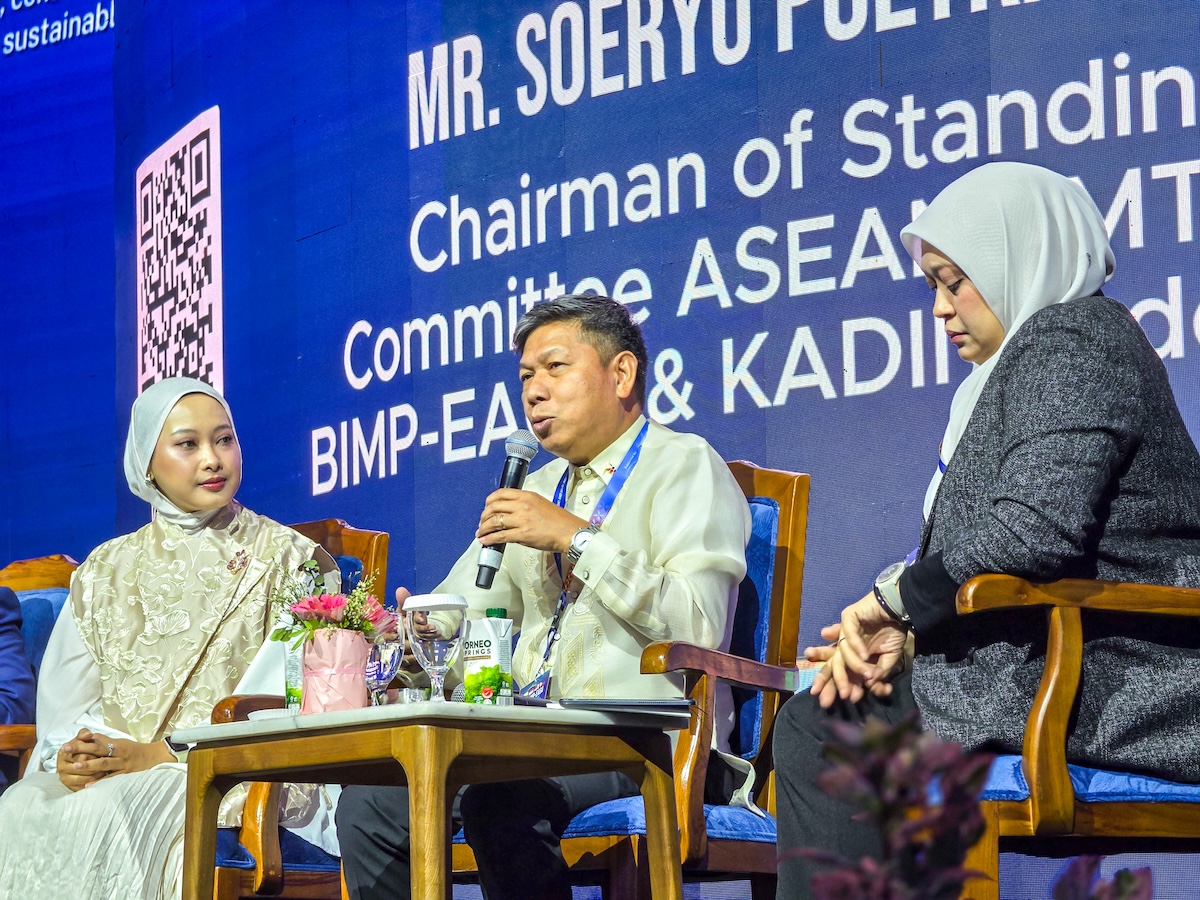
From the Philippines, Romeo L. Castanaga, Regional Director, Department of Trade and Industry (DTI) Region XI, highlighted the important role of government in creating an enabling environment for halal businesses.
The Philippines provides both halal-specific support and broader investment incentives that can benefit businesses operating within the country’s halal ecosystem. These include fiscal and non-fiscal incentives available through relevant government agencies and investment frameworks, alongside programmes supporting MSMEs through halal certification, capacity building, market access and financial support.
Romeo stressed that government support should not be viewed as a single incentive or tax measure. Instead, the objective is to create a holistic support system that helps businesses progress from certification to market access and ultimately business growth.
Collaboration among agencies, including the Department of Agriculture, Department of Science and Technology, Mindanao Development Authority and other relevant institutions, also plays an important role in strengthening the halal ecosystem and supporting MSMEs.
Sabah as a Halal Investment and Industrial Hub
While government incentives can create the right conditions for investment, physical infrastructure and industrial ecosystems are equally important.
Ernawaty Binti Suhaili, Assistant Manager, Research, POIC Sabah Sdn Bhd, highlighted several opportunities for halal investment in Sabah. Among the immediate opportunities are halal food processing and packaging, where existing industrial infrastructure can potentially be adapted to support halal production.
Instead of simply bringing finished products into Sabah and the wider BIMP-EAGA market, investors can bring halal-certified raw materials from their countries of origin, process and package them in Sabah, and access regional markets while maintaining halal integrity throughout the production process.
Other opportunities identified include halal fisheries and seafood processing, halal logistics, warehousing and distribution, supported by Sabah’s significant fisheries and marine resources.
The longer-term ambition is to position Sabah as an upstream and downstream hub for the halal industry, creating opportunities for businesses to establish production, processing and distribution activities within the region.
However, Ernawaty stressed that industrial land and infrastructure alone are not enough to attract investors. Businesses also require market access, resources, certification guidance, business networks, training and capacity building.
This is why POIC Sabah is working with strategic partners, including halal industry stakeholders, universities and relevant agencies, to strengthen the broader ecosystem and make it easier for businesses to establish and operate in Sabah.
Creating the Right Ecosystem for Investors
A recurring message throughout the discussion was that successful halal investment requires more than individual incentives or facilities.
Investors need an ecosystem that brings together infrastructure, certification, financing, talent, logistics, business networks and market access.
This is particularly important for MSMEs, which may have the products and potential to enter regional markets but lack the resources or expertise to navigate certification, financing and international expansion.
The panel therefore highlighted the importance of making the halal journey more accessible, from certification and compliance to scaling, investment and export.
From Regional Potential to Regional Value Chains
The discussion also reinforced the need for stronger cooperation among BIMP-EAGA countries, particularly in addressing halal trade barriers and mutual recognition of certification.
Greater cooperation and mutual recognition can help reduce duplication, improve efficiency and make it easier for halal products to move across borders. Rather than each country operating independently, BIMP-EAGA has the opportunity to develop complementary roles within a shared regional value chain.
Brunei can contribute its strong halal assurance and food-processing capabilities; Indonesia brings significant consumer markets, manufacturing and branding strengths; the Philippines offers agricultural resources, investment opportunities and a growing halal ecosystem; while Malaysia contributes extensive halal industry expertise, certification experience and market connectivity.
Together, these strengths can create a more integrated halal economy that benefits businesses across the region.

The Way Forward
The panel made clear that BIMP-EAGA’s halal opportunity is not simply about attracting more investment or exporting more products. It is about building the conditions for businesses to grow together.
That means strengthening supply chains, improving halal connectivity, supporting MSMEs, developing investment-ready infrastructure, creating meaningful consumer brands and reducing barriers to cross-border trade.
The opportunity is to move from individual markets to integrated value chains, from infrastructure to ecosystems, and from incentives to investment outcomes.
As BIMP-EAGA looks towards its next phase of development, stronger regional cooperation will be essential to transforming halal potential into trade, investment, jobs and shared economic growth.