



Japan’s outbound tourism market is recovering, but at a measured pace and the next phase of growth could come from a new generation of travellers, regional airports and destinations that understand what Japanese consumers value most.
Speaking at PATA Travel Mart 2026, Dr. Temesgen Assefa, Chief Consultant, JTB Tourism Research & Consulting, offered an overview of the Japanese outbound market and its evolving travel behaviour.
Japan recorded around 20 million outbound travellers in 2019, but by 2025, the market had recovered to approximately 73% of its pre-pandemic level. The slower recovery reflects several factors, including a weaker Japanese yen and changes in consumer spending priorities following the pandemic.
Yet, beneath the slower recovery are signs of opportunity.
One notable development is the growing role of regional airports. While Haneda, Narita and Kansai have traditionally accounted for around 80% of Japan’s international departures, departures from regional airports grew by approximately 35% last year. This expanding connectivity could help unlock new outbound demand from markets beyond Japan’s major metropolitan centres.
Another opportunity lies in Japan’s relatively low passport ownership. Only around 18.5% of the population, or approximately 23 million people, currently hold a valid passport. While this presents a challenge for outbound tourism, Dr. Assefa sees it differently: the more than 80% without passports represent a potentially significant pool of first-time international travellers.
Japan’s Outbound Market - New Travellers, New Opportunities
Asia Pacific in the Spotlight
Economic conditions are also influencing where Japanese travellers choose to go. While long-haul destinations in Europe and North America have traditionally been popular, around 70% of Japanese outbound travel is now taking place within Asia Pacific.
Among the strongest emerging segments are young Japanese women in their 20s, with South Korea proving particularly popular. Around 3.65 million Japanese travellers visited South Korea last year, marking a record level in roughly two decades.
The appeal extends beyond proximity and connectivity. Korean culture, food and K-pop have become powerful travel motivators, while short-haul weekend trips are increasingly common, including Friday evening departures followed by Sunday returns.
From Package Tours to FIT
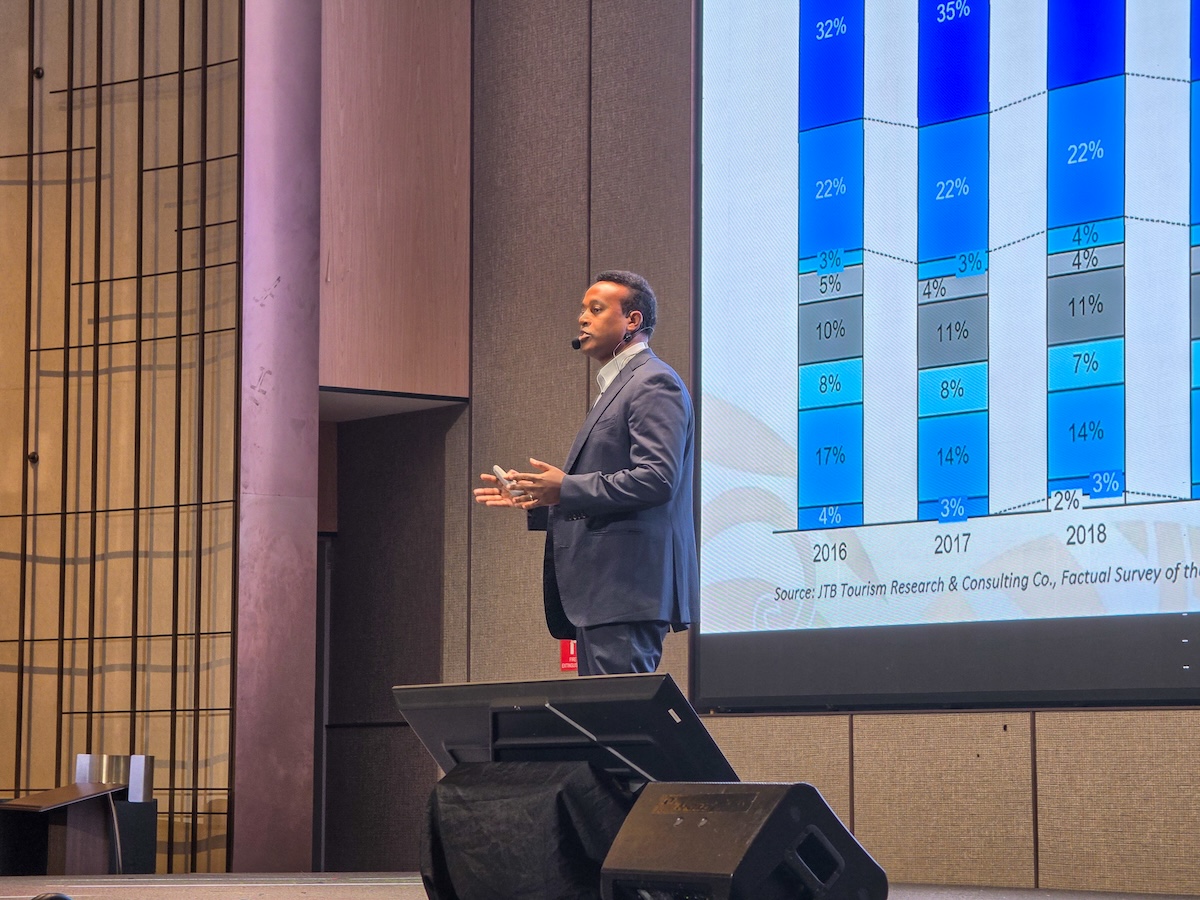
Japanese travel behaviour is changing in another important way: Free Independent Travel (FIT) is becoming the new norm.
While package tours remain relevant, particularly for special-purpose trips such as honeymoons, experienced travellers increasingly prefer to research, plan and book their own journeys.
This shift means destinations need to think beyond traditional tourism packages and focus on creating experiences that travellers can easily discover, customise and book themselves.

Safety, Food and Stress-Free Travel
So, what makes a destination attractive to Japanese travellers?
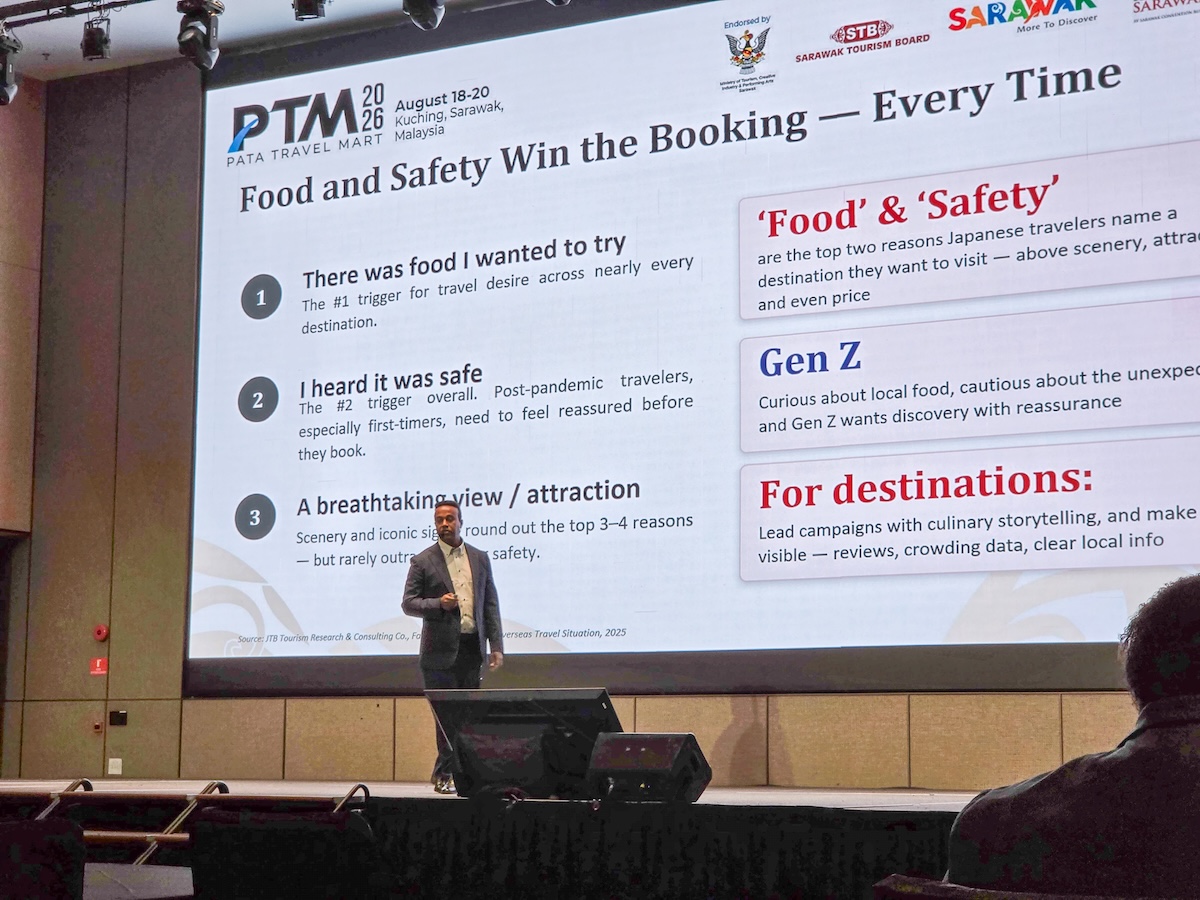
Two factors stand out : food and safety.
Gastronomy can serve as a powerful destination marketing tool, while safety and reliable information remain fundamental to building traveller confidence.
For younger and Gen Z travellers, the expectations go even further. Destinations need to offer reliable information, flexible travel arrangements and a smooth, stress-free experience.
In other words, Japanese travellers are not simply looking for places to visit. They are looking for destinations where the entire journey, from planning and booking to experiencing the destination, feels easy and seamless.

A Positive, But Measured Future
Looking ahead, Dr. Assefa believes Japan’s outbound market has a positive future, although growth is likely to remain gradual.
Young travellers and women are expected to remain important drivers, while value for money will become increasingly influential in destination choice.
For destinations across Asia Pacific, the opportunity is therefore clear: remain visible, understand the evolving Japanese traveller, and make the journey easier, safer and more rewarding.
As Japan’s outbound market enters its next phase, success may not come from simply attracting more visitors, but from understanding why they travel, what they value and how destinations can turn travel interest into meaningful experiences.