



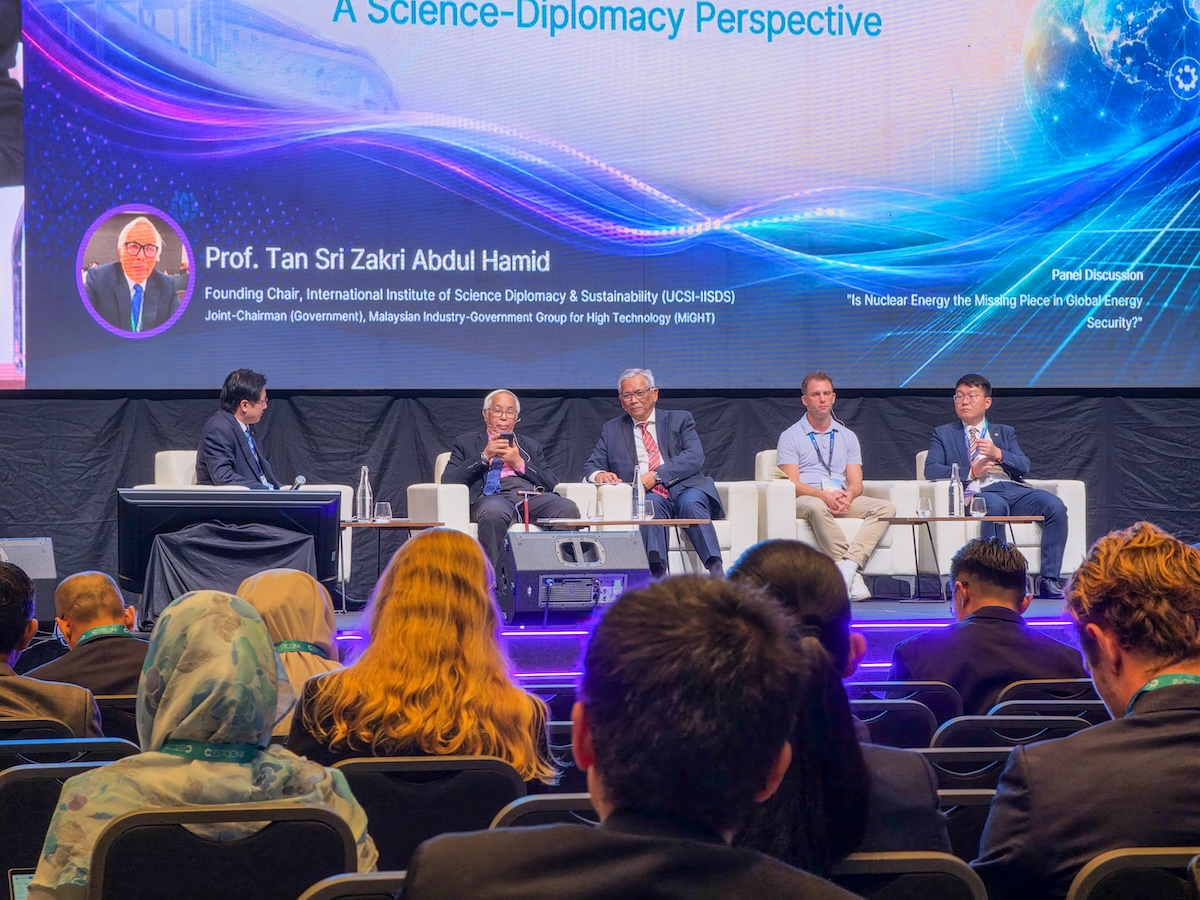
Nuclear energy is back in the conversation, but for Malaysia, the discussion is not starting from scratch. With electricity demand growing and countries working towards lower carbon energy systems, the question is whether nuclear power could play a greater role in securing the region’s future energy needs.
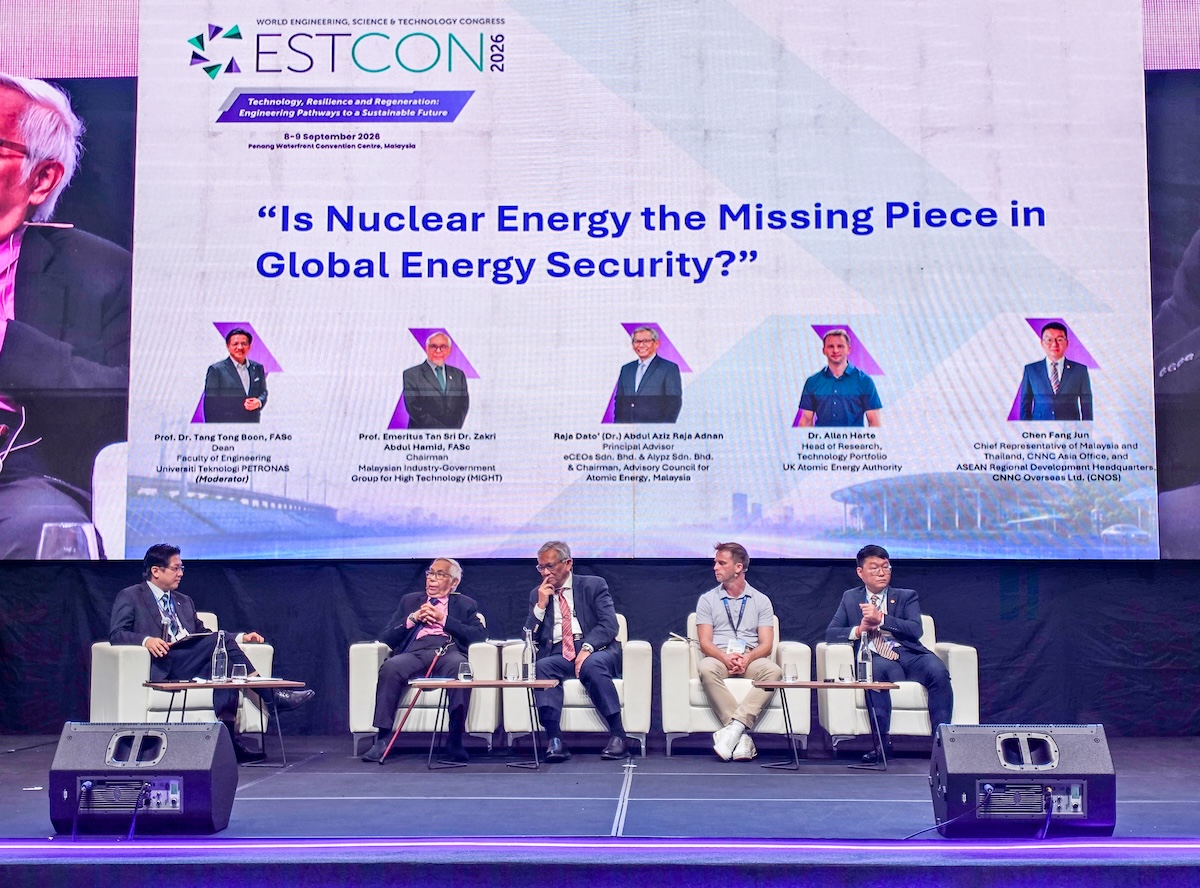
At ESTCON 2026, Congress Forum 1 examined the opportunities and challenges surrounding nuclear energy, from technology and regulation to public acceptance and long-term planning. Moderated by Prof. Dr. Tang Tong Boon, Dean of the Faculty of Engineering at Universiti Teknologi PETRONAS, the session featured perspectives from Malaysia, the UK and China.
The discussion went beyond the technology itself to consider what it would take for nuclear energy to become a credible part of Southeast Asia’s energy future, and whether Malaysia is ready to make that decision.
Nuclear Energy : Missing Piece or Unanswered Question?
Nuclear Is Not New to Malaysia
Malaysia has more than five decades of experience in nuclear science and technology, dating back to the establishment of the National Nuclear Research Centre in 1972.
YBhg Prof. Emeritus Tan Sri Dr. Zakri Abdul Hamid, Chairman of Atri Advisory and joint chairman (government) of the Malaysian Industry Government Group for High Technology (MIGHT), pointed out that nuclear applications are already used in medicine, agriculture, research and industry. Electricity generation, however, presents a different challenge.
Public perception remains a major consideration, shaped in part by past concerns over radioactive waste and environmental issues, including Bukit Merah and the Lynas controversy.
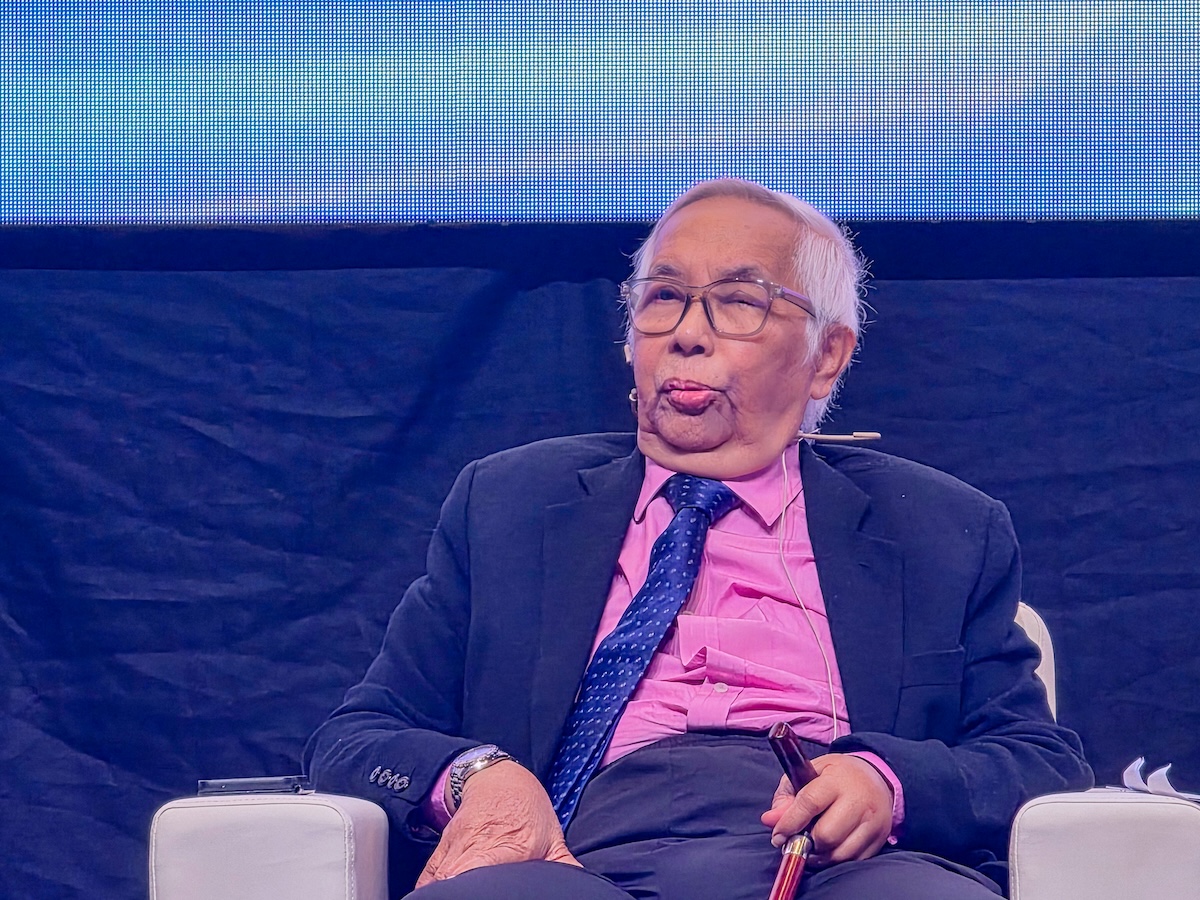


For Tan Sri Zakri, transparency, public education and trust in institutions will be just as important as technical capability. Malaysians need to understand how nuclear energy works, how it is regulated and how safety is managed before wider acceptance can develop.
He also highlighted the challenge of meeting three energy priorities at once: security, affordability and low-carbon reliability. Solar and wind will remain important, but their variable output means countries must also consider dependable sources of electricity.
Nuclear power is one option returning to the discussion as countries look for ways to balance these priorities.
Malaysia’s Long Nuclear Journey
Raja Dato’ (Dr.) Abdul Aziz Raja Adnan, Chairman of the Advisory Council for Atomic Energy Malaysia, traced the country’s nuclear journey back to the 1970s.
Malaysia’s interest in nuclear energy developed following the 1973 oil crisis, but the discovery and development of domestic oil and gas shifted national priorities. The idea resurfaced in 2009, when plans for two 1,000 MW reactors were considered, before implementation was delayed following political changes.
A review of the feasibility studies in 2024 renewed the discussion. The Nuclear Energy Implementation Organisation (MyPOWER) is now working on the institutional groundwork needed to support future decisions.
However, moving towards nuclear power involves more than selecting a reactor. Malaysia needs clear policy direction, an effective regulatory system, international safeguards, emergency preparedness and coordination among the authorities involved.
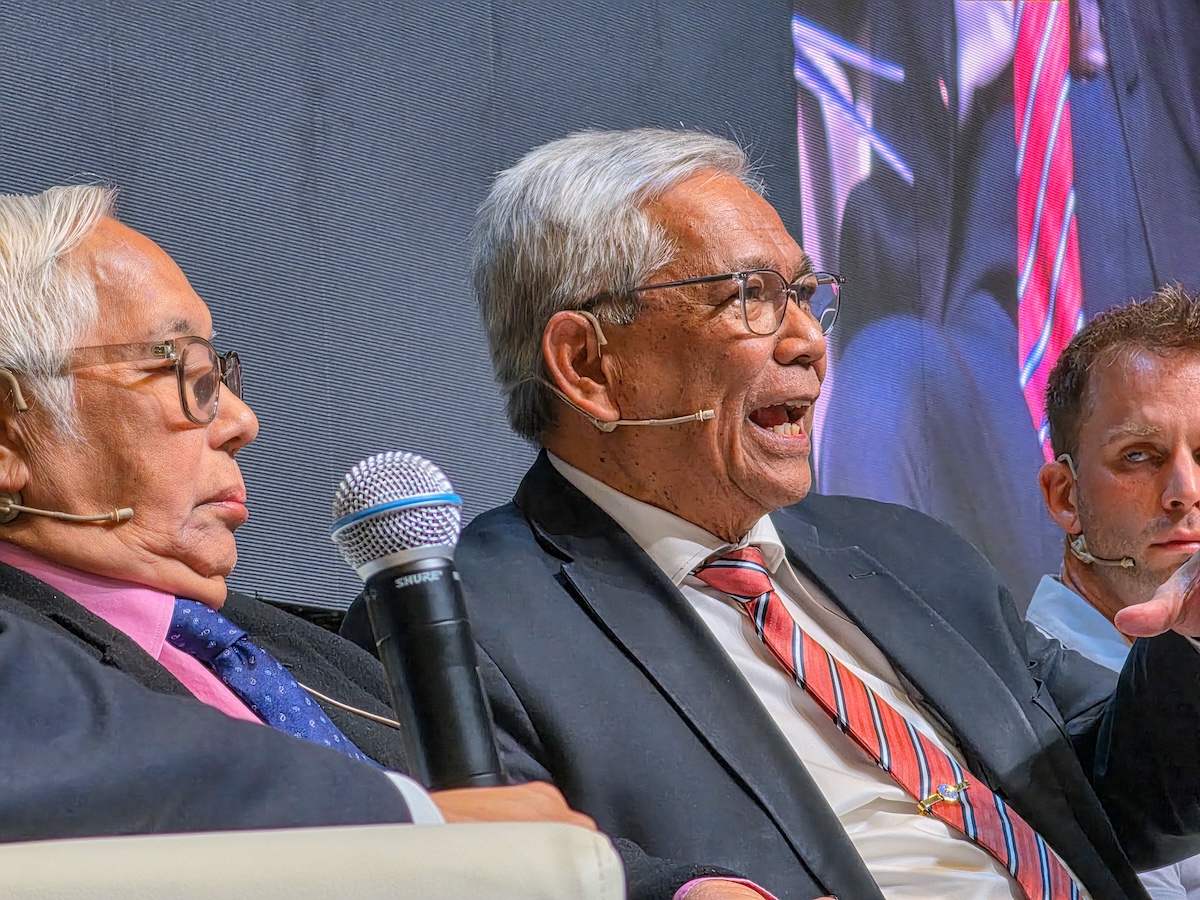
Raja Dato’ Abdul Aziz used the analogy of a board that must be ready before the missing piece can be put in place. The message was that Malaysia needs to establish the necessary foundations before moving towards implementation. These include:
- regulatory independence,
- international safeguards,
- appropriate legal frameworks,
- emergency preparedness, and
- stronger coordination among multiple authorities.
Malaysia also has experience in managing regulated, high-risk industries, particularly oil and gas, which could contribute to its preparations. The next step is to determine how existing capabilities can support a nuclear power programme and what further work is required.
As Raja Dato’ Abdul Aziz stressed during the discussion, Malaysia needs to move beyond repeated assessments and prepare itself to make an informed decision.
Fusion Is a Longer-Term Prospect
While nuclear fission is commercially established, fusion remains at the experimental and pre commercial stage.
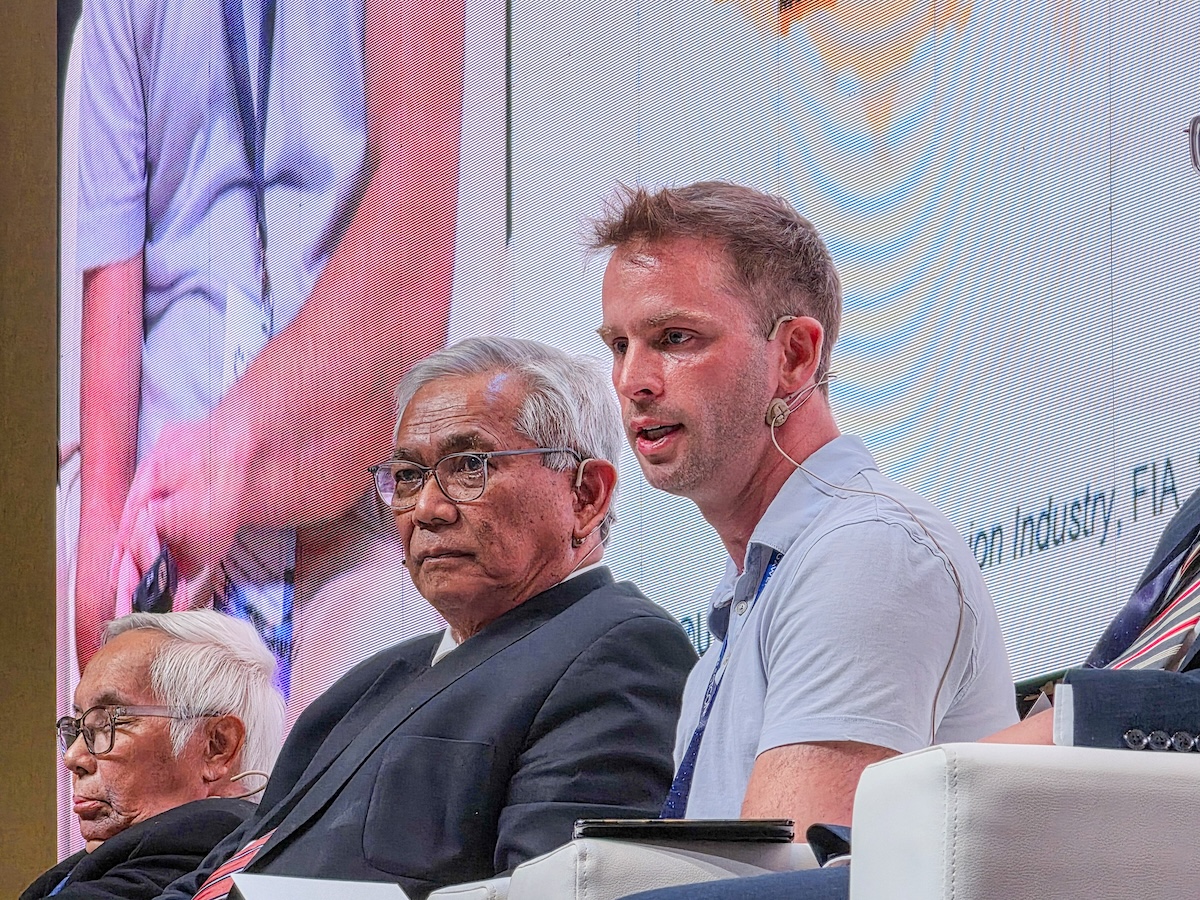
Dr. Allan Harte, Head of Research, Technology Portfolio at the UK Atomic Energy Authority, explained that countries including China, the UK and the United States are pursuing different approaches to fusion development, supported by growing investment from both public and private sectors.
Despite this progress, commercial fusion power is still some distance away. Meaningful contributions to electricity grids are more likely to emerge in the 2040s or later, rather than in the immediate future.
That does not mean the technology should be ignored. Research into fusion is advancing capabilities in areas such as advanced materials, robotics, thermal management and radiation engineering. These developments could also benefit other high technology industries and existing nuclear programmes.
For Malaysia, the discussion highlighted the importance of keeping an eye on emerging energy technologies while continuing to address nearer term energy requirements.
China’s SMR Experience Offers Another Perspective
Chen Fangjun, Chief Representative of Malaysia and Thailand at CNNC Asia Office and ASEAN Regional Development Headquarters, CNNC Overseas Ltd., highlighted China’s development of Small Modular Reactors (SMRs) and their potential applications beyond conventional electricity generation.
Compared with conventional large-scale reactors, SMRs could offer greater flexibility in deployment and support a range of uses, including:
- Electricity generation for smaller or more isolated energy systems
- Steam supply for industrial processes
- Seawater desalination
- Energy supply for industrial parks
- Potential floating power applications
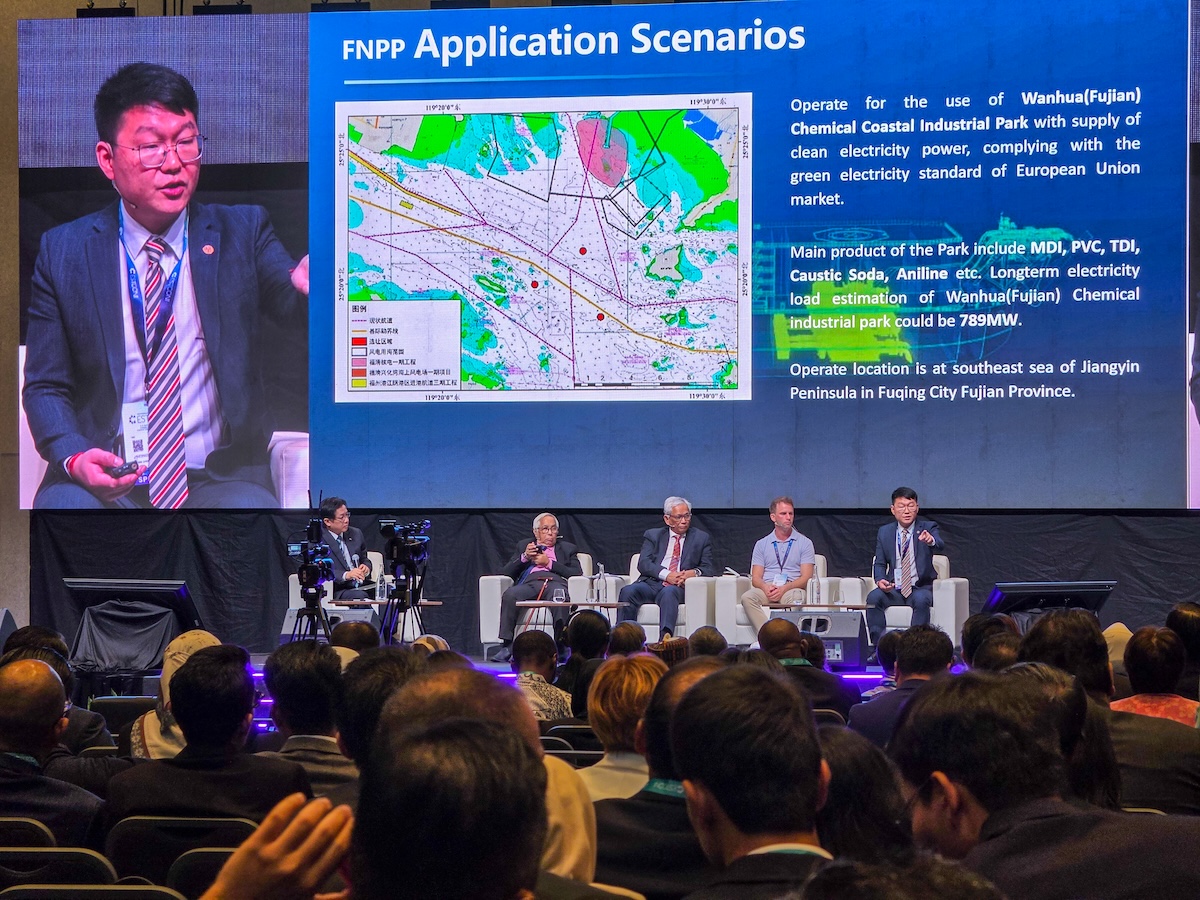
China’s ACP100 demonstration project illustrates the development of smaller reactor technology, while high temperature gas-cooled reactors offer potential applications in industrial heat and steam supply.
For countries considering nuclear power for the first time, he estimated that the preparation and construction process can take more than 15 years. This includes developing the necessary knowledge, regulatory arrangements and project foundations before construction and commissioning.
He noted that Malaysia is in a stronger position than some newcomer countries because of its existing technical experience and regulatory capabilities. However, the time needed would still depend on the technology selected, licensing requirements and the country’s readiness to proceed.
The discussion also raised a broader question for Malaysia:
Should a nuclear programme focus primarily on electricity generation, or should it form part of a wider effort to develop domestic industrial and technological capabilities?
The answer would influence the options Malaysia chooses to explore.
The Real Missing Piece – The 200-Kilometre Question
One moment during the forum offered a simple illustration of the public acceptance challenge.
Delegates were asked whether they would feel comfortable living within 200 kilometres of a nuclear power plant. While many supported nuclear energy in principle, fewer expressed the same level of comfort when asked to consider living near a plant.
The response highlighted the difference between supporting a technology in theory and accepting it closer to home.
For Malaysia, this is an issue that cannot be addressed through engineering and regulation alone. Public understanding, transparent communication and confidence in the institutions responsible for nuclear safety will also shape how the debate develops.
A nuclear programme requires technical expertise and sound governance, but public confidence must be built along the way.
What Does Malaysia Want by 2050?
Towards the end of the session, the panellists were asked to complete the statement: “By 2050, Malaysia has done nuclear correctly because…”
Their responses reflected different priorities.
Raja Dato’ Abdul Aziz highlighted nuclear energy’s potential to provide reliable, lower carbon electricity, reduce reliance on coal and support future industrial needs.
Dr. Harte emphasised the importance of developing the institutions and skills needed for Malaysia to make informed and independent decisions.
Chen pointed to Malaysia’s existing capabilities and its position among ASEAN countries exploring nuclear energy.
Tan Sri Zakri returned to education and the need to strengthen STEM talent and public understanding.
Together, these perspectives highlighted the range of considerations involved in Malaysia’s nuclear debate. The decision is not solely about whether a nuclear plant can be built, but also about the country’s energy needs, regulatory readiness, available expertise and ability to make a well-informed long-term commitment.
Beyond Technology
Nuclear energy remains a major decision for Malaysia, involving far more than technology alone. Policy direction, regulation, investment, skilled talent and public confidence will all shape what comes next.
Before deciding whether to proceed with nuclear power, Malaysia needs to establish the role it wants nuclear energy to play in its future energy mix and ensure that the necessary foundations are in place.
The reactor may be the most visible part of the decision. Much of the real work begins long before that.