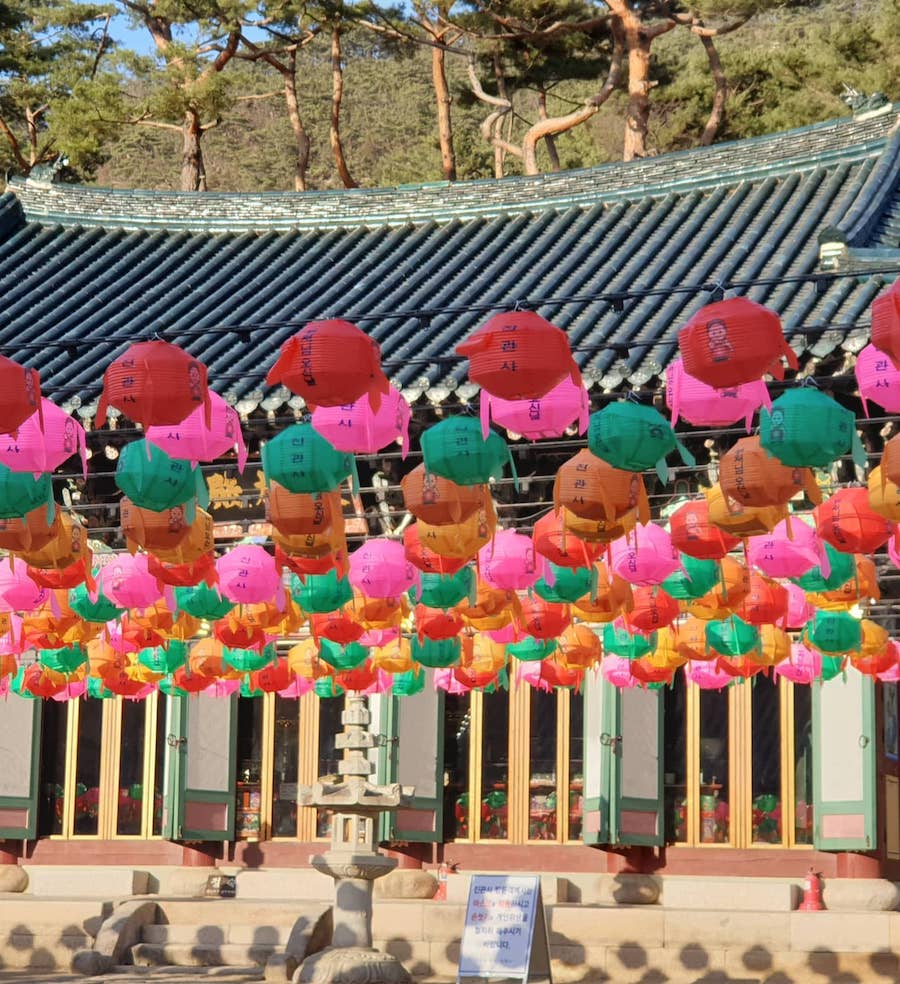
Today, templestay is one of the most popular programmes among locals and foreigners to experience Korean Buddhism, its daily lifestyle, rituals and spirituality. It generally entails staying at a Buddhist temple and engaging in daily monastic activities. Let’s explore the templestay programme by Jingwansa Temple.
Jingwansa Temple, a centuries-old Buddhist temple that located in Bukhansan National Park, where hanok-style Buddhist temple and beautiful nature are in harmony. The temple was built by order of King Hyeonjong of the Goryeo Dynasty in gratitude to the great Buddhist priest Jinkwan. Jingwansa Temple houses several buildings and some of the notable buildings include Daeungjeon Hall, Myeongbujeon Hall and Nahanjeon Hall.
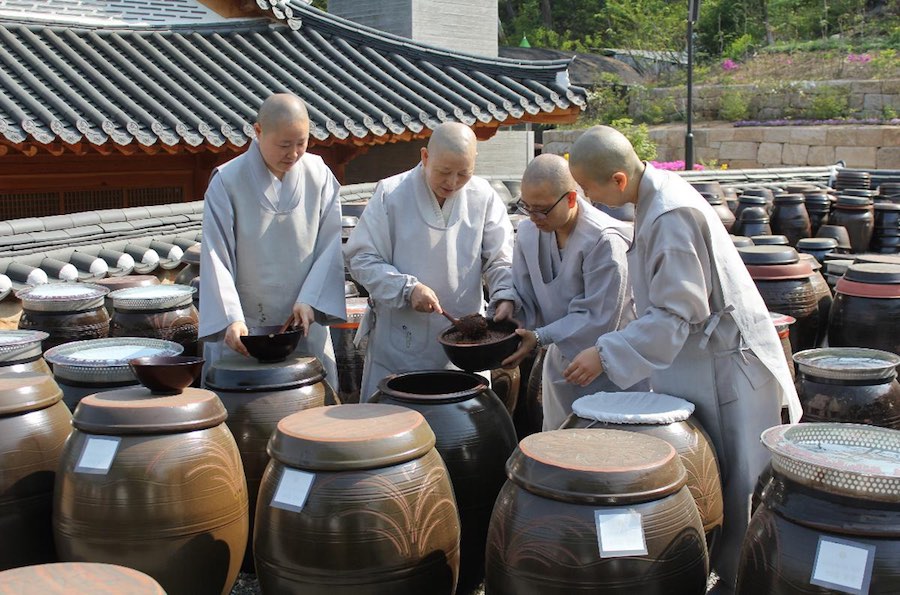
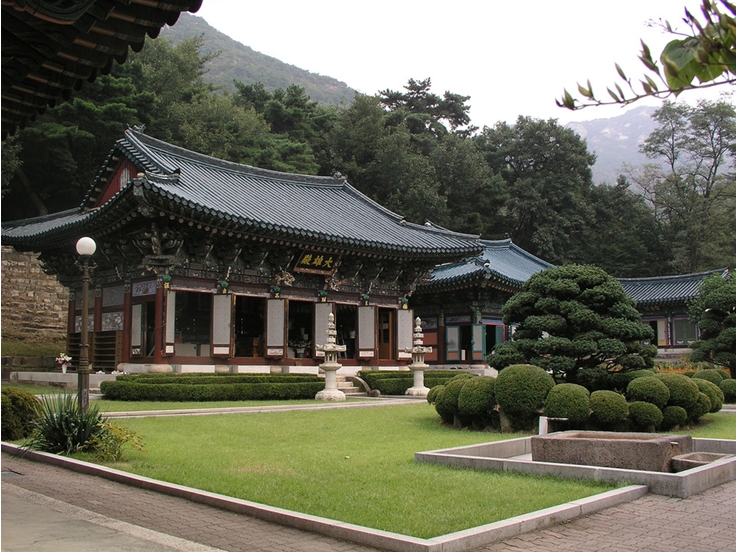 The beautiful temple renowned for its authentic temple food for over 1,000 years. During the temple tour, you can visit the platform for fermentation, a place that helps to create delicious and perfectly fermented temple food.
 Nestled in the mountain valleys, Jinkwansa temple also operates templestay programmes for groups, where visitors can experience Buddhist culture while rediscovering the inner peace. The templestay programme provides sanctuary from city life, as well as time and space for meditation and relaxation.
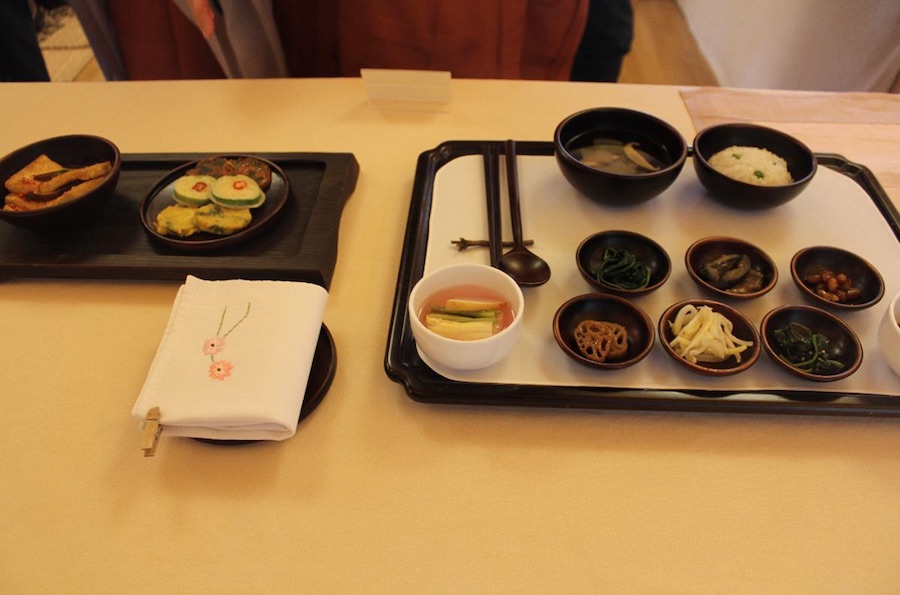
 Generally, a templestay programme offers a Buddhist service, seon meditation, the 108 prostrations, and communal work, as well as some programmes that educate participants on monastic meal offerings and tea ceremony rituals.
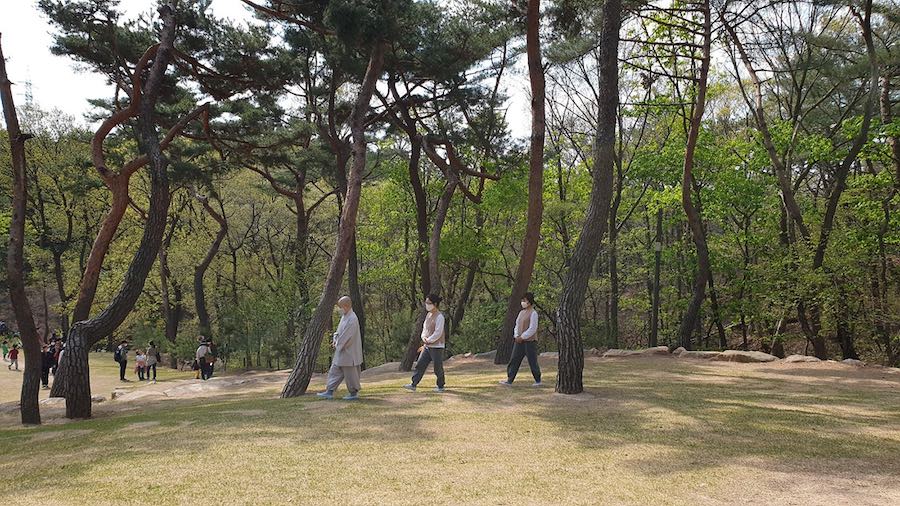
 Walking Meditation is one of the basic methods for cultivating mindfulness, which involves focusing closely on the physical experience of walking, paying attention to the specific components of each step and bringing body and mind together peacefully.
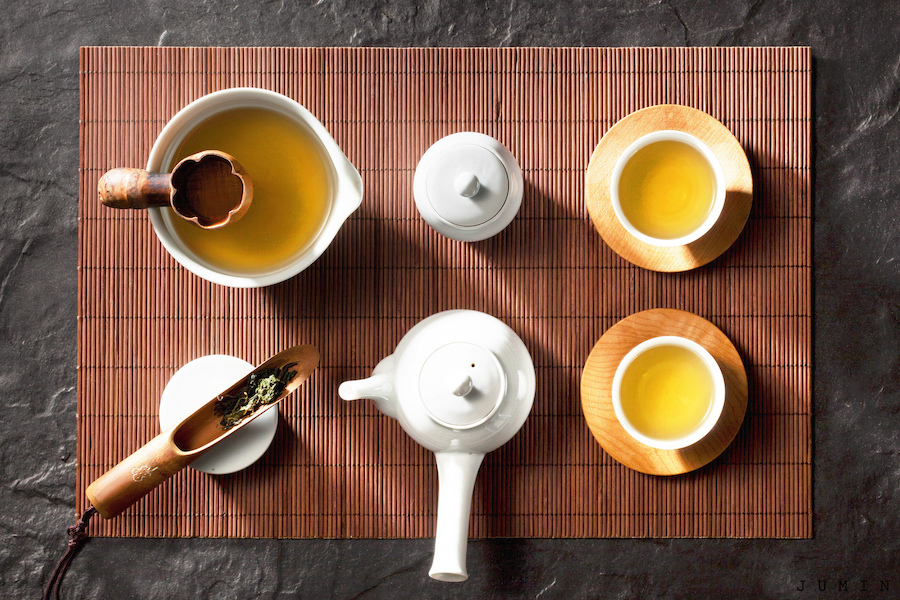
 The sound of wind chimes resonates within the tranquil temple grounds, rendering peace in the hearts of temple visitors. During the tea time, you can enjoy some tea and learn the etiquette, as tea and etiquette are part of the meditation too.
 Another meaningful programme is making a lotus lantern, a form of Buddhist art that helps to understand who you are. The lotus-shaped lantern symbolises a light that brightens the dark world. Lanterns are hung before Buddha’s Birthday, the eighth day of the fourth month on the lunar calendar, at all the temples and nearby areas throughout Korea. During the month of Buddha’s birthday, a range of events are held across the nation, attracting many locals and international visitors.