



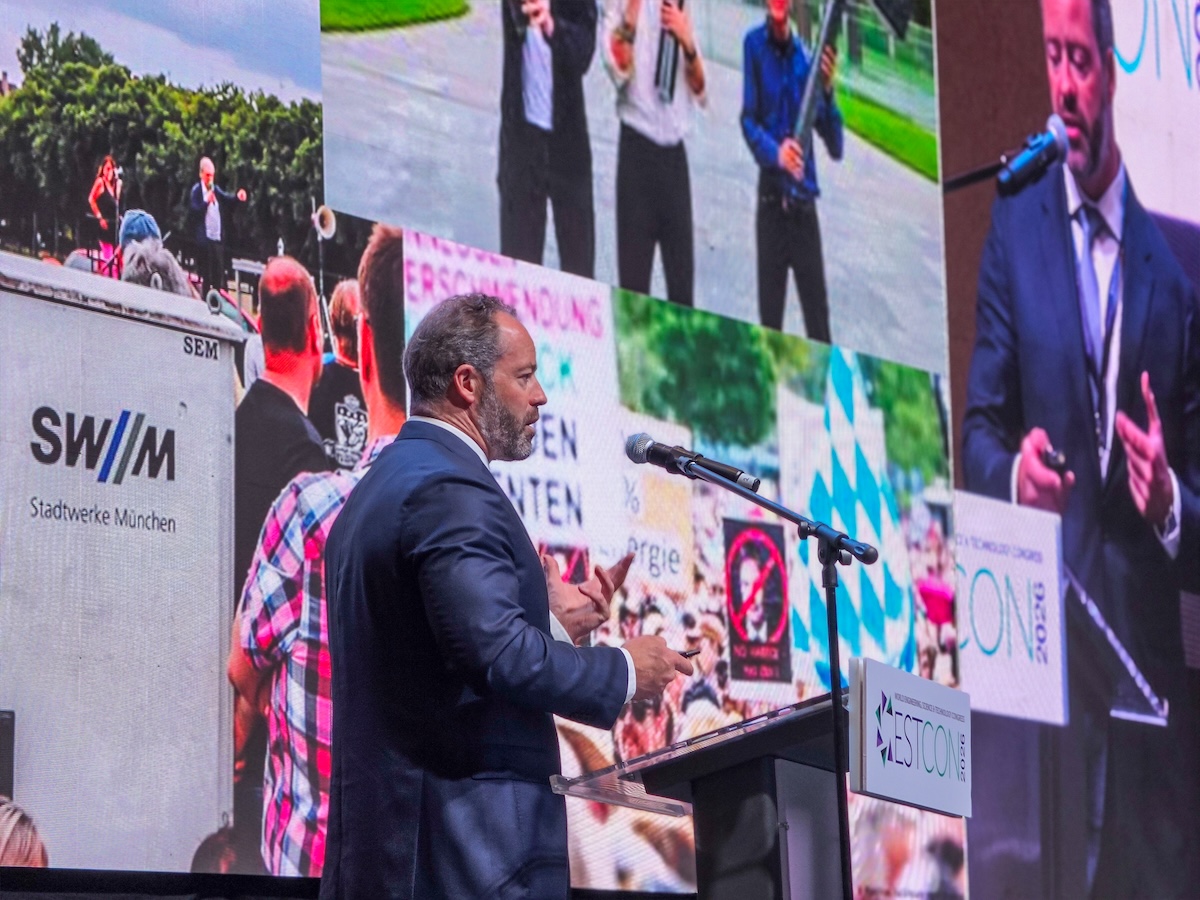
The global energy transition is often presented as a straightforward journey towards cleaner energy. But for Prof. Niall Mac Dowell, the reality is far more complex.
Delivering the second keynote at ESTCON 2026, Prof. Niall Mac Dowell, Professor of Future Energy Systems at Imperial College London, challenged conventional thinking about the energy transition and presented a more pragmatic understanding of what it takes to build resilient energy systems in a rapidly changing world.
His central argument was clear: the future of energy cannot be built around binary choices.
Instead, resilience will require countries to work with their own resources, infrastructure, economic priorities and geopolitical realities while using every available energy option to meet growing demand.
Securing Energy. Shaping Tomorrow.\
From Energy Trilemma to Energy Hierarchy
The energy transition is often described as a trilemma involving security, affordability and sustainability.
Prof. Mac Dowell proposed a different way of looking at these priorities, arguing that these priorities are not necessarily equal or simultaneous. Instead, he suggested thinking about energy through a hierarchy.
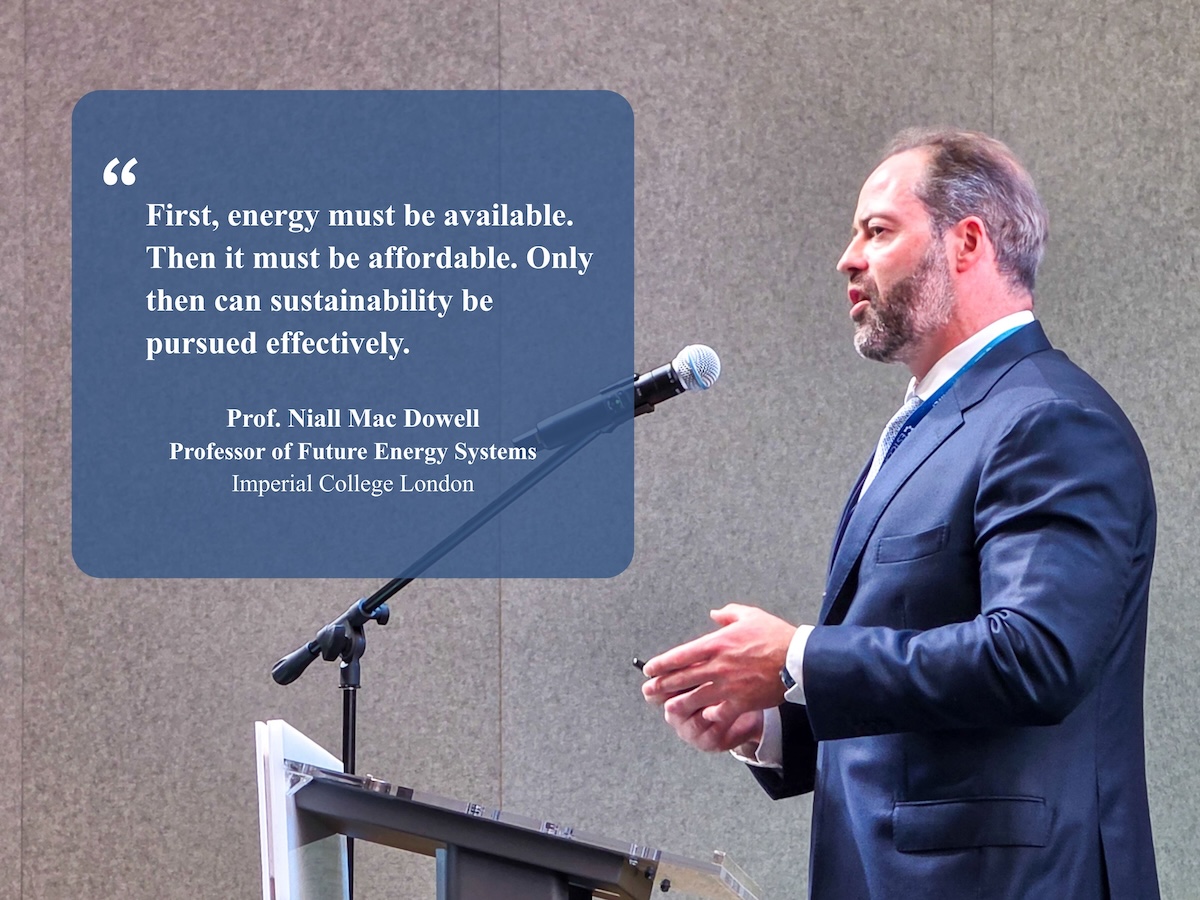
This, he argued, reflects the reality that when energy becomes unaffordable, the consequences extend far beyond energy markets. High energy costs can contribute to inflation, reduce household spending power, weaken economic competitiveness and ultimately reduce society’s ability and willingness to invest in the energy transition.
Energy security and affordability, therefore, are not obstacles to sustainability. They are prerequisites for a transition that can endure.
Energy Systems Do Not Change Overnight
Prof. Mac Dowell also highlighted the limitations of assuming that the global energy system can rapidly replace existing sources with new ones.
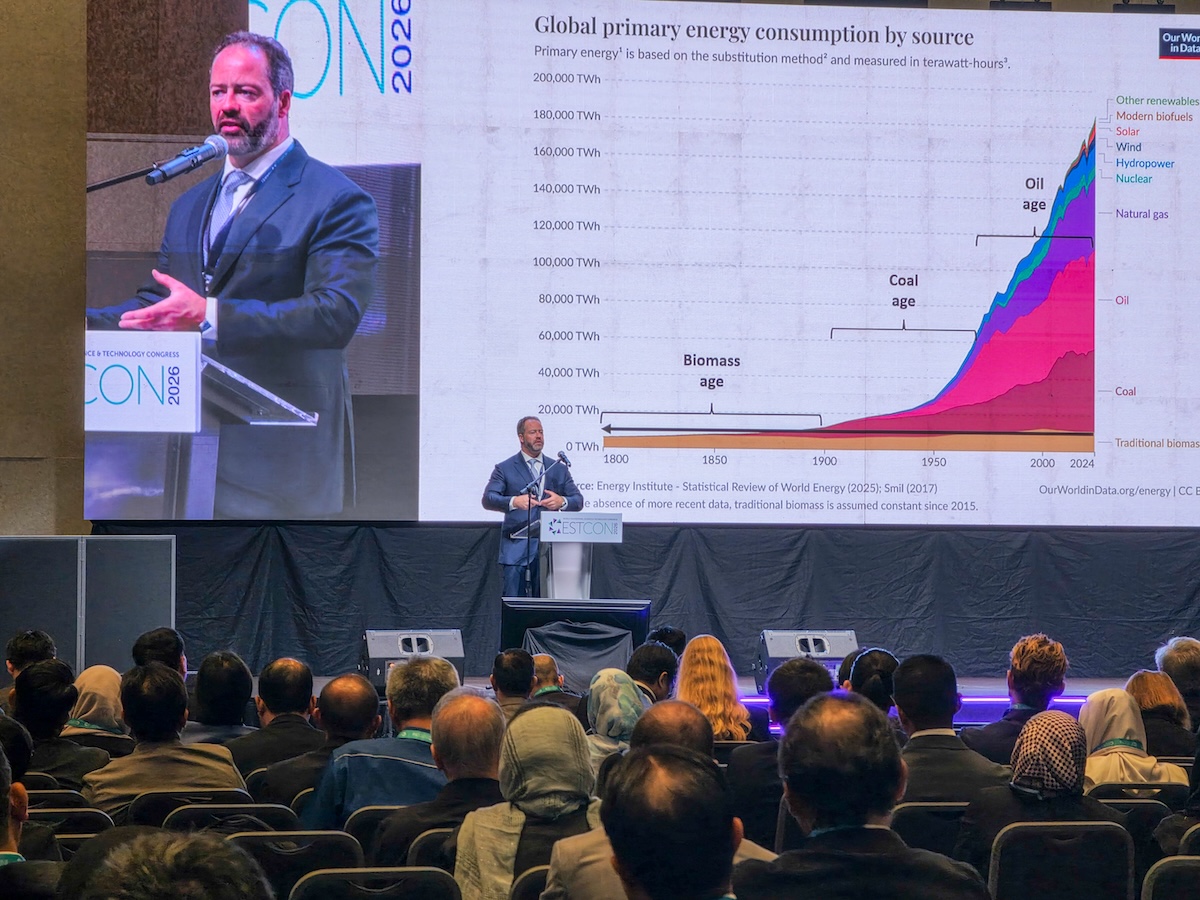
Looking back over the past two centuries, he noted that major energy transitions have historically taken decades. Coal, oil and natural gas did not immediately replace their predecessors. Instead, new sources were progressively added to the global energy system.
This means the transition should be understood less as a process of energy substitution and more as one of energy addition and evolution.
Even as renewable energy expands rapidly, the scale and complexity of the existing global energy system mean that transformation will take time.
The World Still Needs More Energy
At the heart of the transition is a reality that cannot be ignored: global energy demand is still growing.
While some developed economies have relatively stable energy demand, many emerging economies are still industrialising and improving access to modern energy services.
Prof. Mac Dowell highlighted the enormous disparity in energy consumption between countries and regions, noting that billions of people continue to have significantly lower energy consumption than populations in developed economies.
If countries such as India and those across Africa were to increase their energy consumption towards China’s current level, the additional demand would be enormous.
This raises an important consideration for the energy transition: how can the world simultaneously decarbonise energy systems while providing substantially more energy to populations that need it for economic development and improved living standards?
For Prof. Mac Dowell, the answer cannot simply be to consume less.
The world needs to build more resilient energy systems capable of meeting both existing and emerging demand.
AI Is Changing the Energy Equation
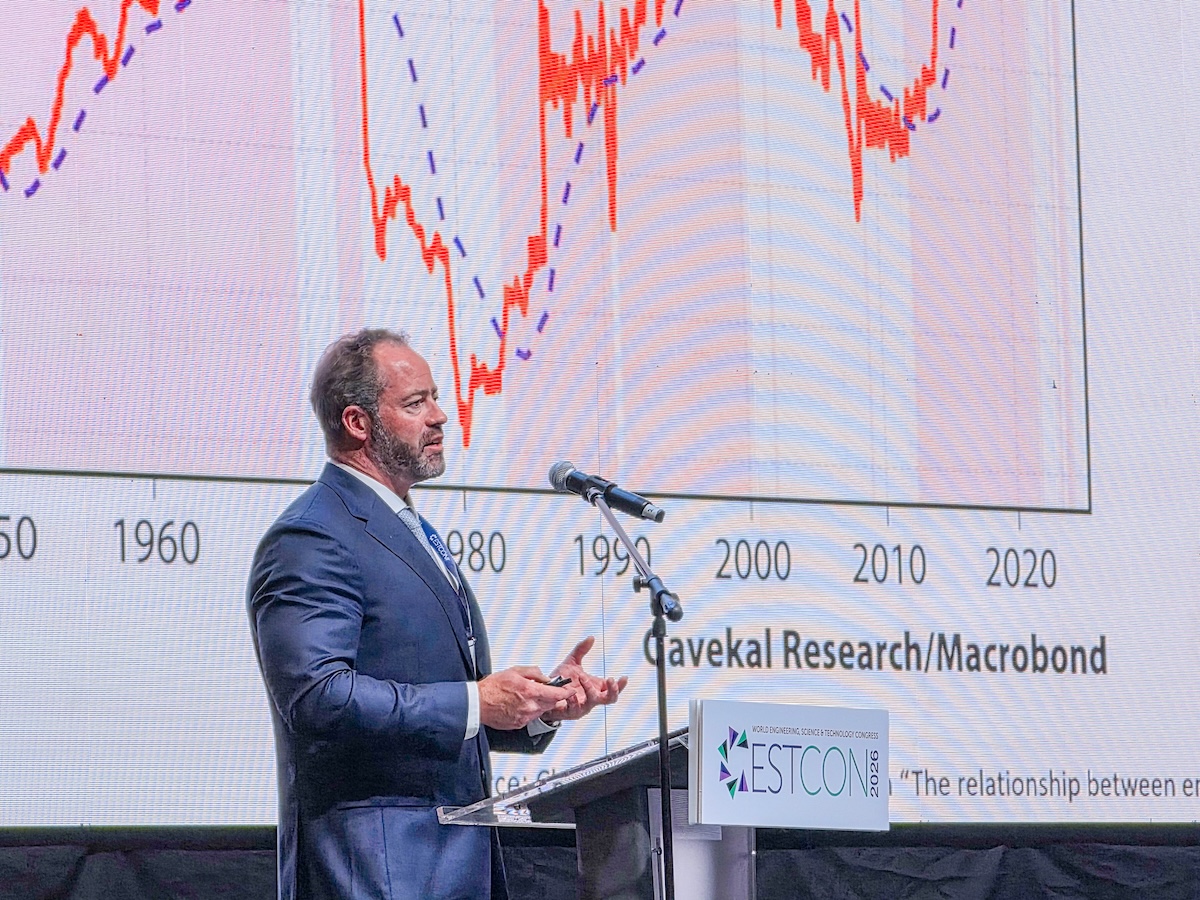
Adding another layer of complexity is the rapid growth of artificial intelligence and data centres.
The expansion of AI is creating significant new demand for electricity, while digital infrastructure is increasingly becoming an important component of modern economies.
This means that the energy transition is taking place at the same time as a new wave of digitalisation and technological growth.
Rather than assuming energy demand will fall as technology improves, Prof. Mac Dowell emphasised that policymakers and industry must recognise that new technologies can create new energy demand even as they improve efficiency elsewhere.
The task is therefore not simply to decarbonise existing electricity supply, but to ensure sufficient infrastructure and generation capacity to meet growing demand.
Renewable Energy Needs Infrastructure
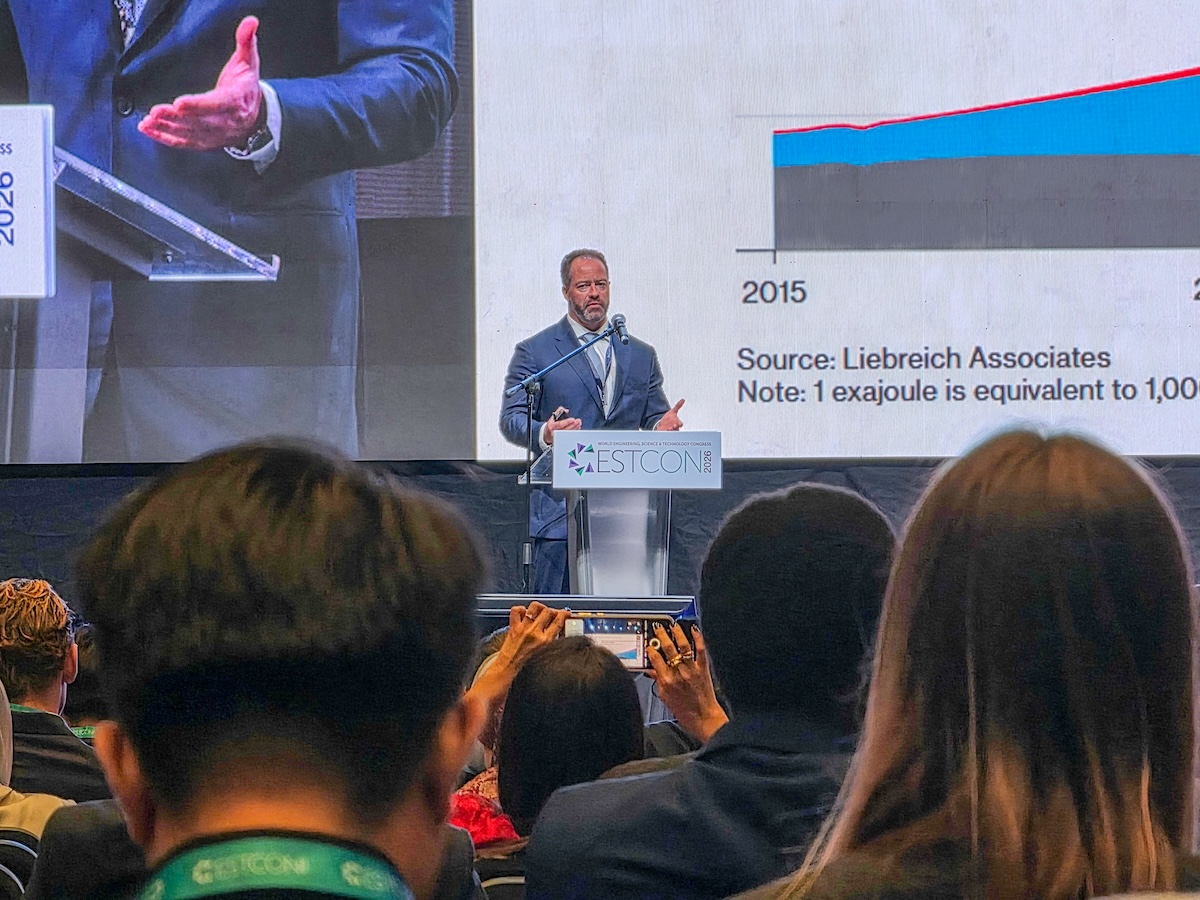
Prof. Mac Dowell acknowledged the rapid growth of renewable energy but stressed that generation capacity alone does not create a resilient electricity system.
Electricity must be available when and where it is needed.
He pointed to the challenges faced in countries such as the UK, where renewable generation can be concentrated in areas that are geographically distant from major centres of electricity demand. This highlights the importance of transmission networks, distribution infrastructure, storage and system flexibility.
The lesson is straightforward: building renewable generation without building the infrastructure around it is not enough.
A resilient energy transition must consider the entire system rather than individual technologies in isolation.
There Is No One-Size-Fits-All Transition
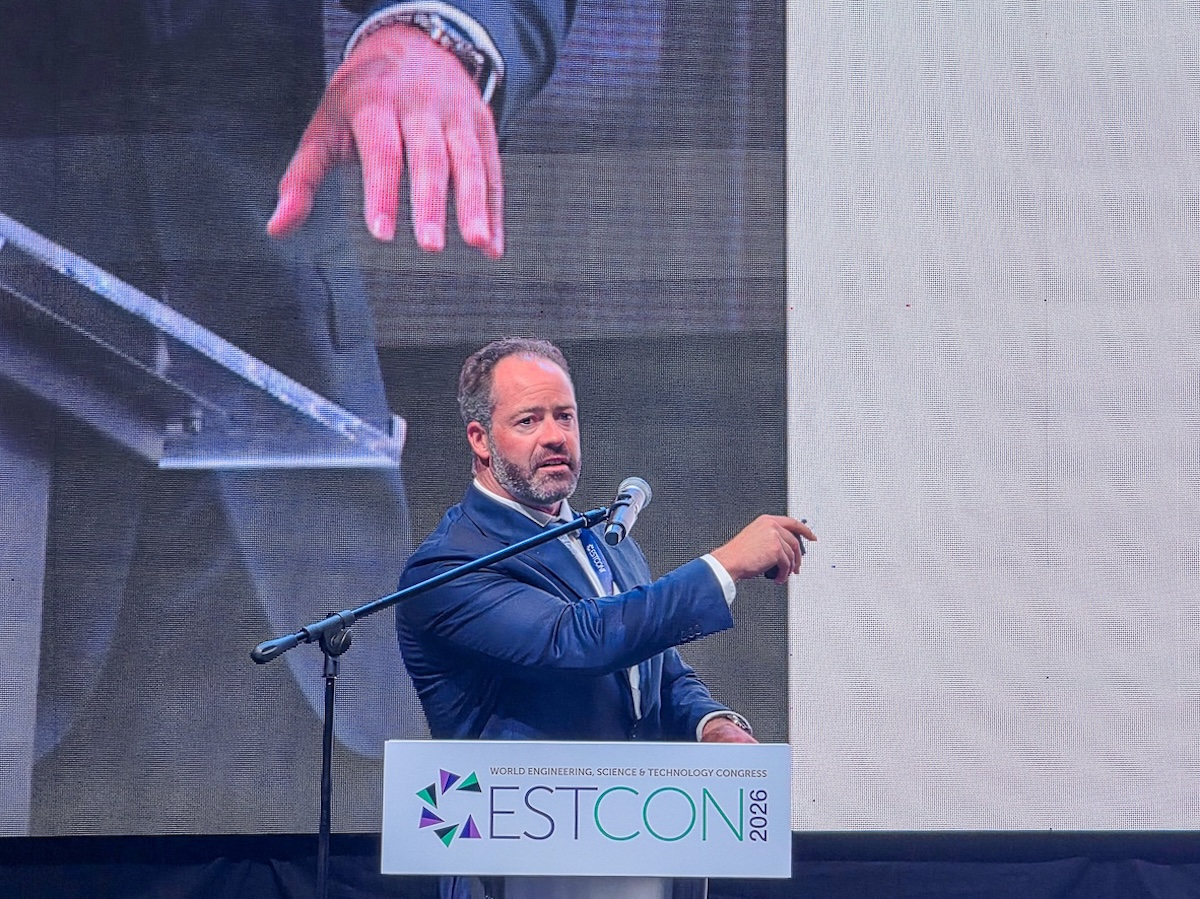
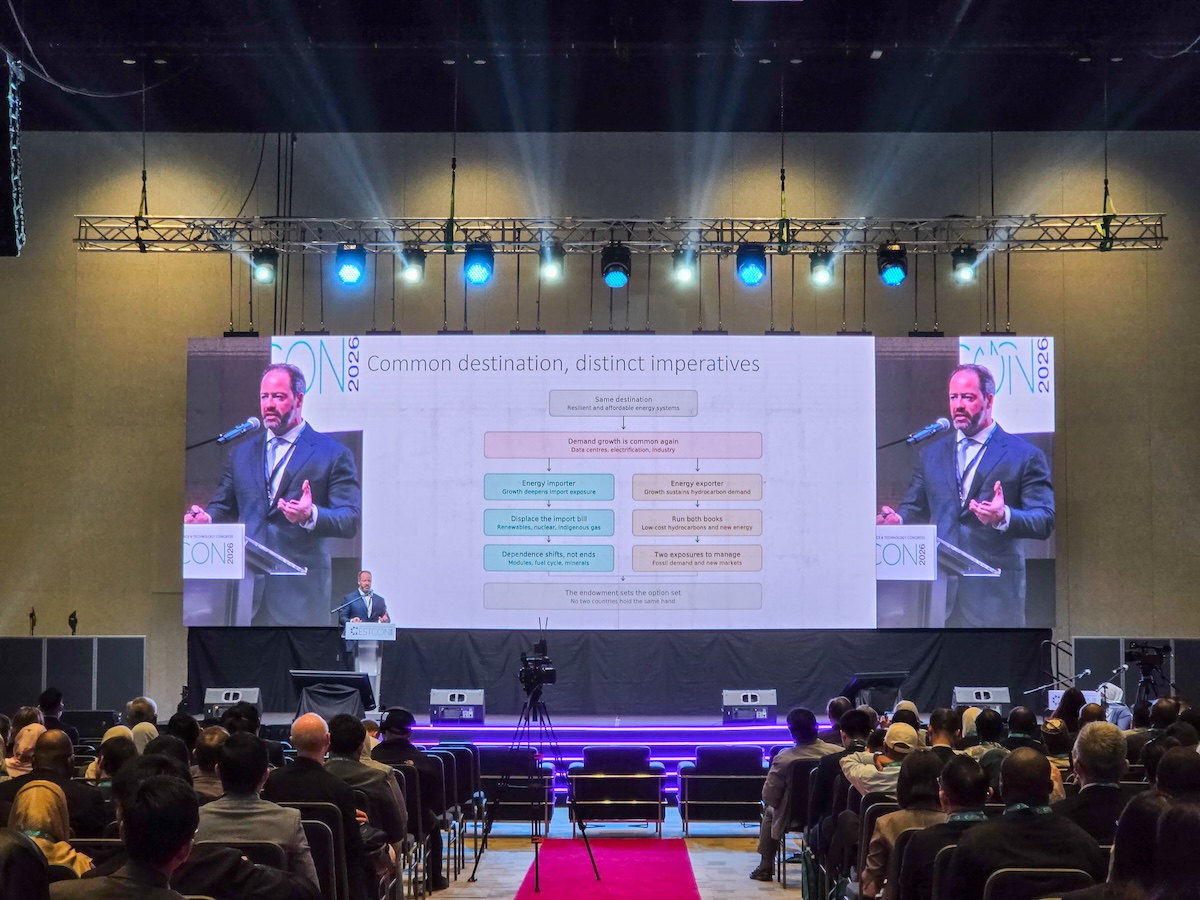
Perhaps one of the strongest messages from the keynote was that there is no universal model for the energy transition.
Every country starts from a different position.
Some possess abundant oil and gas resources. Others have significant solar, hydro, geothermal or nuclear potential. Some have extensive electricity grids, while others are still developing basic energy infrastructure. Some have the geological capacity for carbon storage, while others do not.
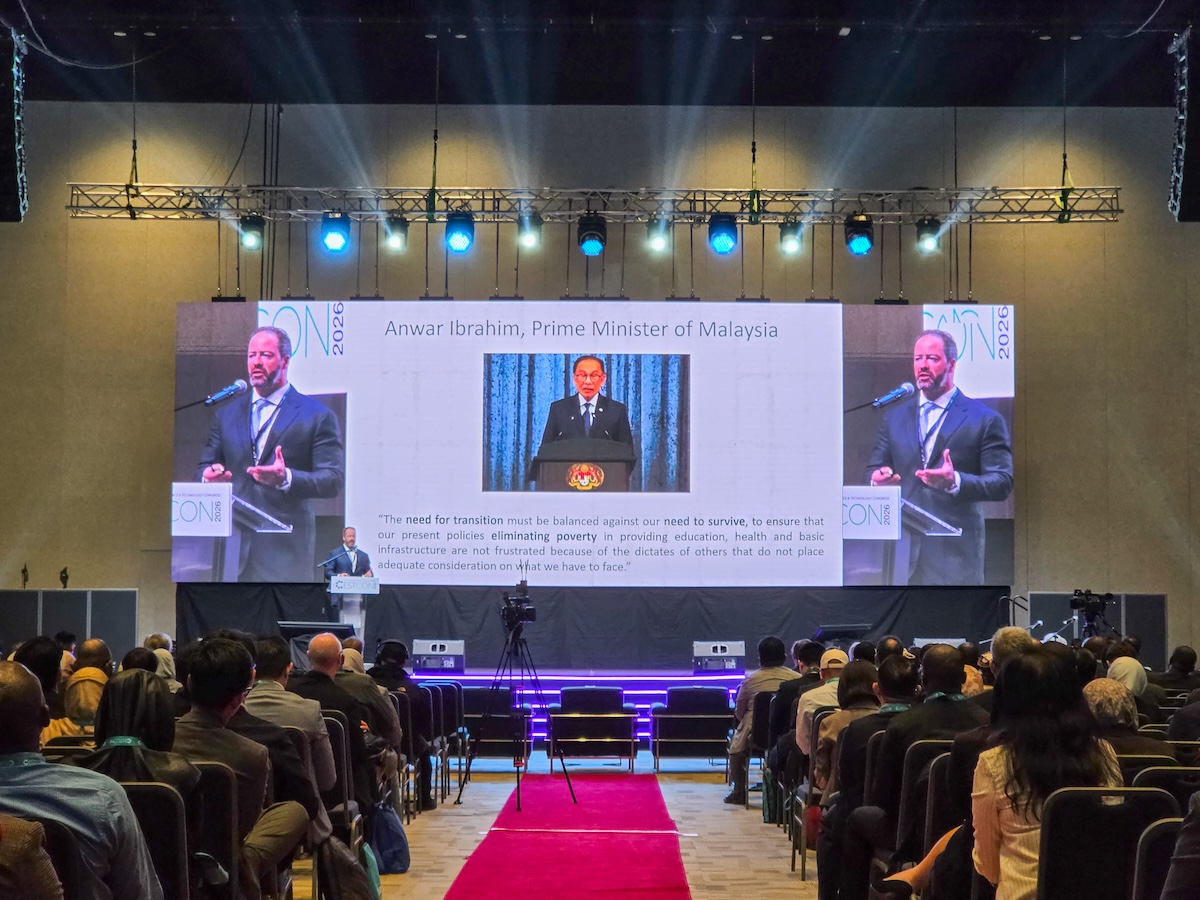
These differences determine the options available to each country. Prof. Mac Dowell therefore stressed the importance of national sovereignty in energy policy.
A country should be able to determine its own energy pathway based on its resources, development needs, economic circumstances and national priorities. The destination may be broadly shared, resilient, affordable and increasingly sustainable energy systems, but the route will not be the same for everyone.
Molecules and Electrons Will Coexist
The keynote also addressed the tendency to frame the energy transition as a choice between hydrocarbons and electricity. Prof. Mac Dowell argued that molecules and electrons will continue to coexist for a very long time.
Electrification will play an increasingly important role, particularly in transport, industry and buildings. However, electricity cannot immediately provide every energy service currently delivered by fuels. Oil and gas will therefore continue to play a role in the global energy system, even under ambitious climate scenarios.
The focus, he suggested, should not simply be on whether one energy source replaces another, but on how different sources and technologies can work together to provide the energy services society needs while reducing emissions.
Resilience Requires Diversity
For Prof. Mac Dowell, the answer ultimately comes down to resilience.
A resilient energy system cannot depend excessively on a single technology, fuel, supplier or infrastructure pathway. It needs diversity of energy sources, diversity of fuels, firm capacity, resilient infrastructure and the flexibility to respond to changing circumstances.
This becomes even more important in a world facing geopolitical uncertainty, supply-chain disruption, climate risks and rapidly changing energy demand. The transition therefore needs to be designed not simply for efficiency under normal conditions, but for resilience when conditions change.
Everything, Everywhere, All at Once
Prof. Mac Dowell’s keynote ultimately presented the energy transition as something far more complex than a series of binary choices.
It is not simply:
oil or renewables.
molecules or electrons.
security or sustainability.
development or decarbonisation.
The reality is considerably more complicated. Different countries will require different combinations of technologies and energy sources, deployed at different speeds and according to different circumstances.
As Prof. Mac Dowell concluded: “Everything, everywhere, all at once.”
It is a provocative but fitting description of what lies ahead.
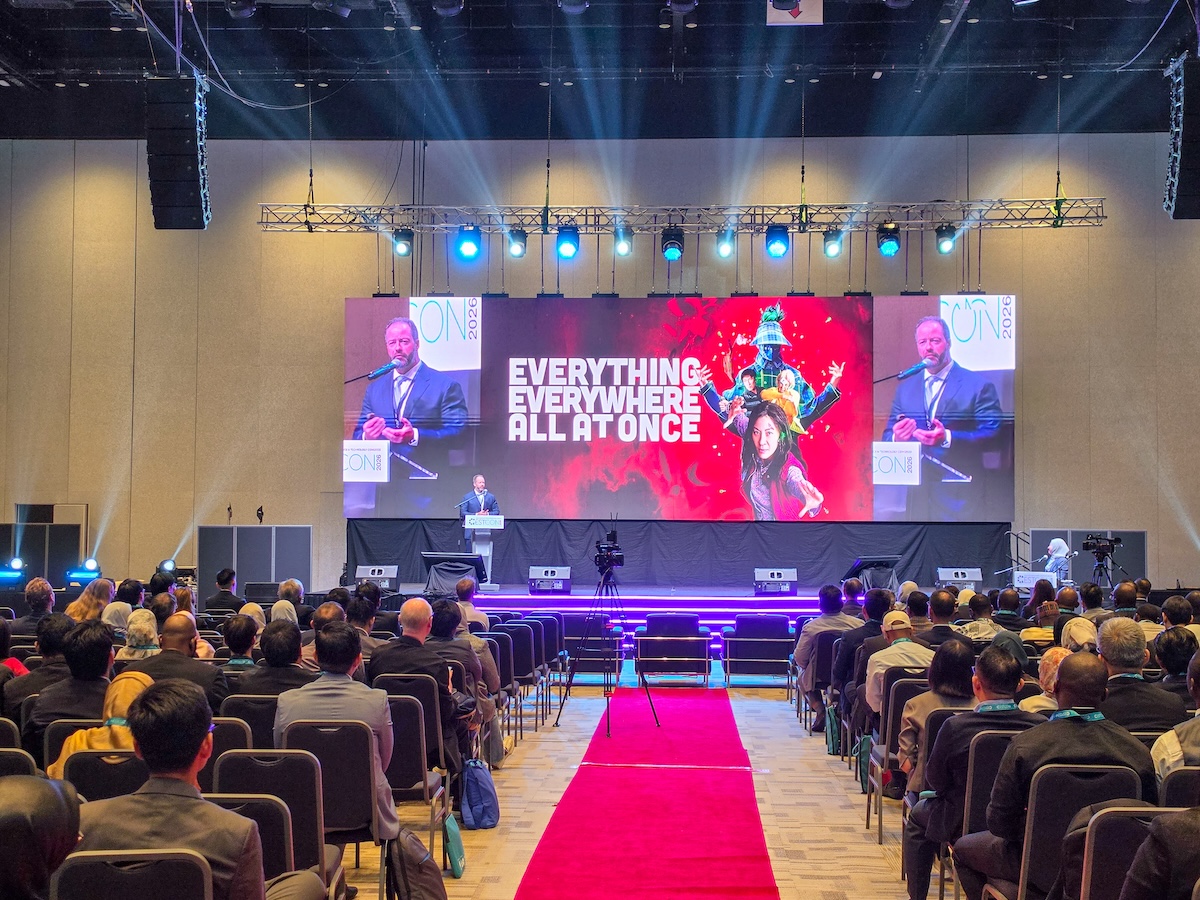
Building resilient energy systems for the new world order will require every available tool, from oil and gas to renewables, nuclear, electrification, carbon capture, storage, infrastructure and emerging technologies, working within systems designed around real-world needs.
Ultimately, the energy transition is not simply an engineering challenge. It is an economic, social, geopolitical and technological transformation.
And the engineers shaping the future will need to understand all of these dimensions.
The task, as Prof. Mac Dowell’s keynote made clear, is not to design the perfect energy system on paper, but to engineer energy systems that remain secure, affordable, resilient and sustainable in the real world.