



As tourism destinations navigate changing traveller behaviour, global uncertainty and growing pressure on communities and resources, the definition of growth is being reconsidered, from simply attracting more visitors to creating greater value for destinations and the people who call them home.
For decades, tourism success has largely been measured by visitor arrivals and tourism receipts. But as the industry enters an increasingly complex era, destination leaders are asking a more fundamental question: Are we growing simply for the sake of growth, or do we know what we are growing for?
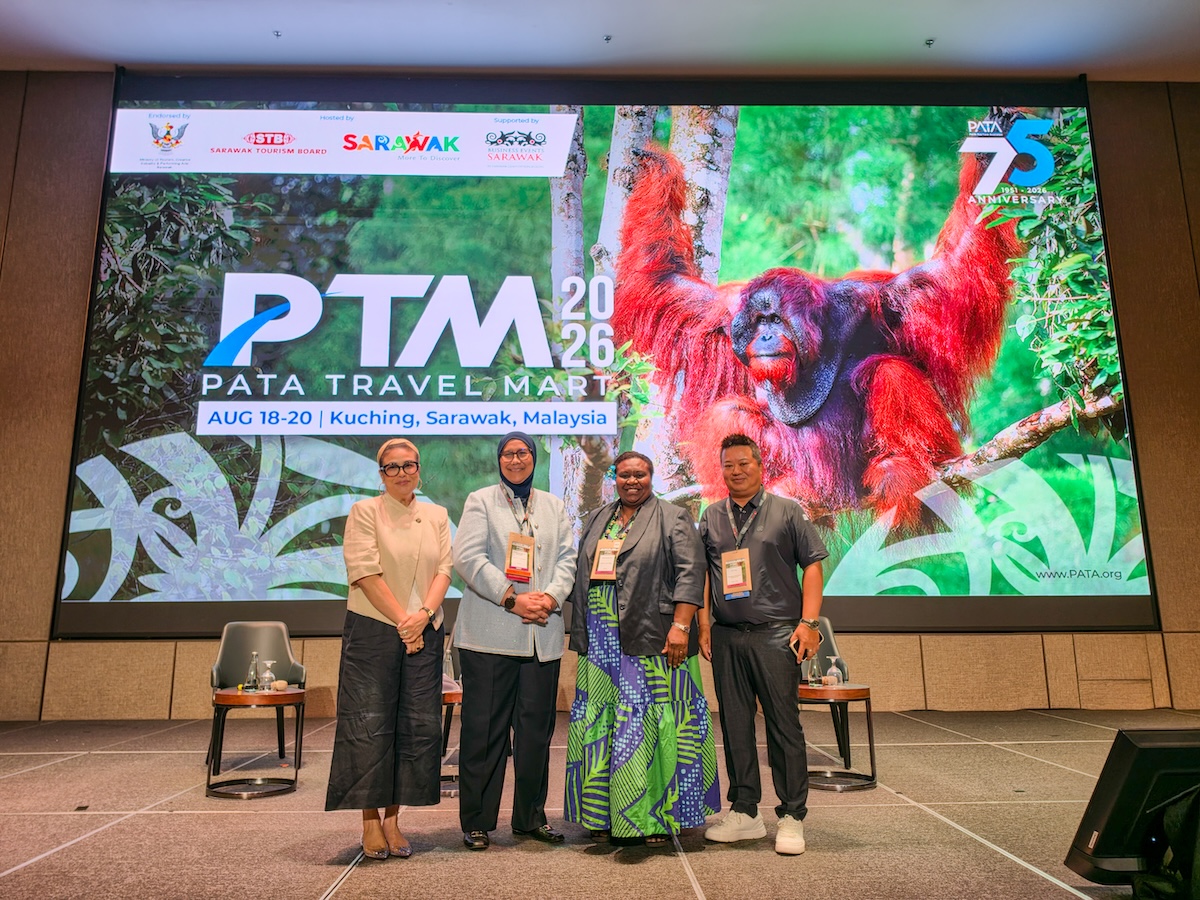
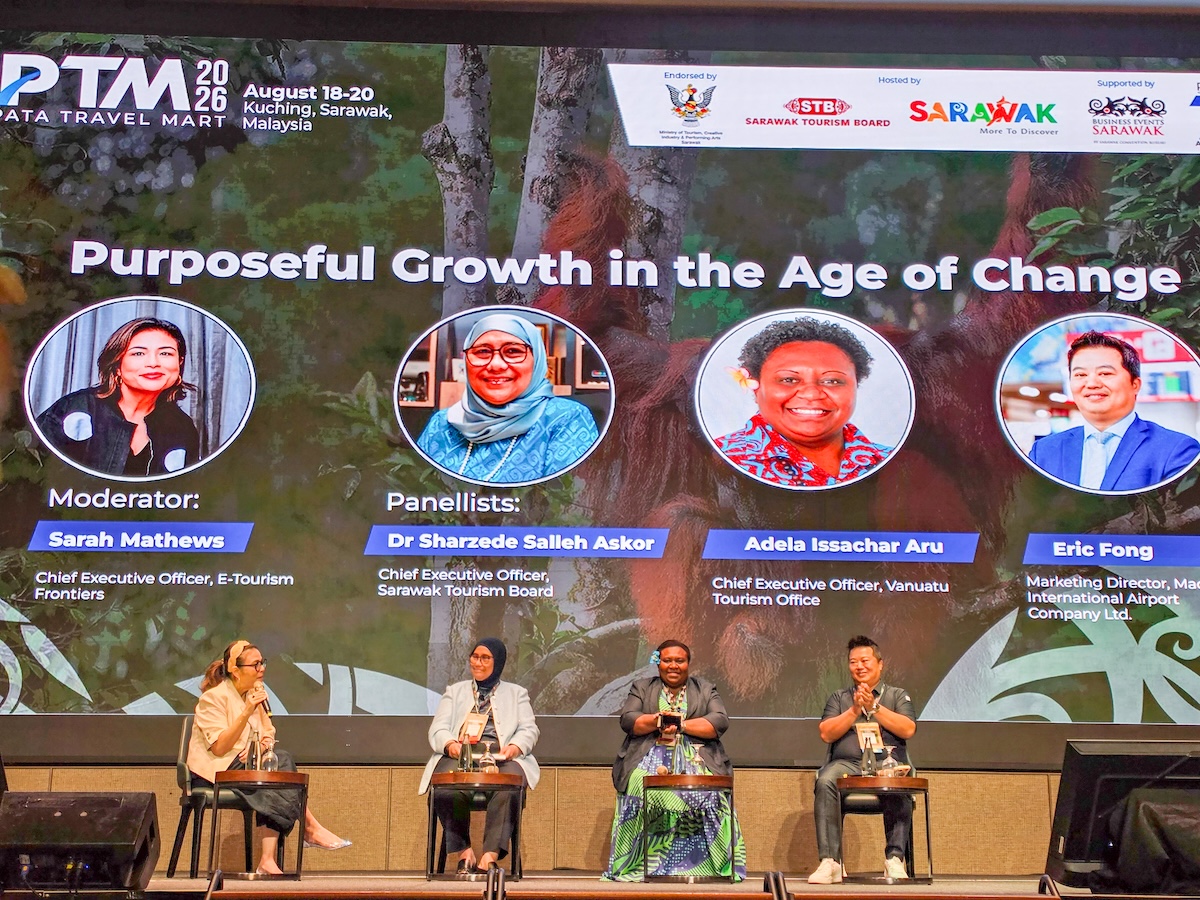
That question shaped a PATA Travel Mart panel moderated by Sarah Mathews, CEO of e-Tourism Frontiers, bringing together tourism leaders from Sarawak, Vanuatu and Macao. Their perspectives revealed a common shift towards purposeful growth, growth that balances economic opportunity with community wellbeing, cultural respect, visitor experience and long-term resilience.
Tourism growth with greater
value and purpose
From Numbers to Meaning
For Sarawak, the answer lies in moving beyond the traditional focus on numbers.
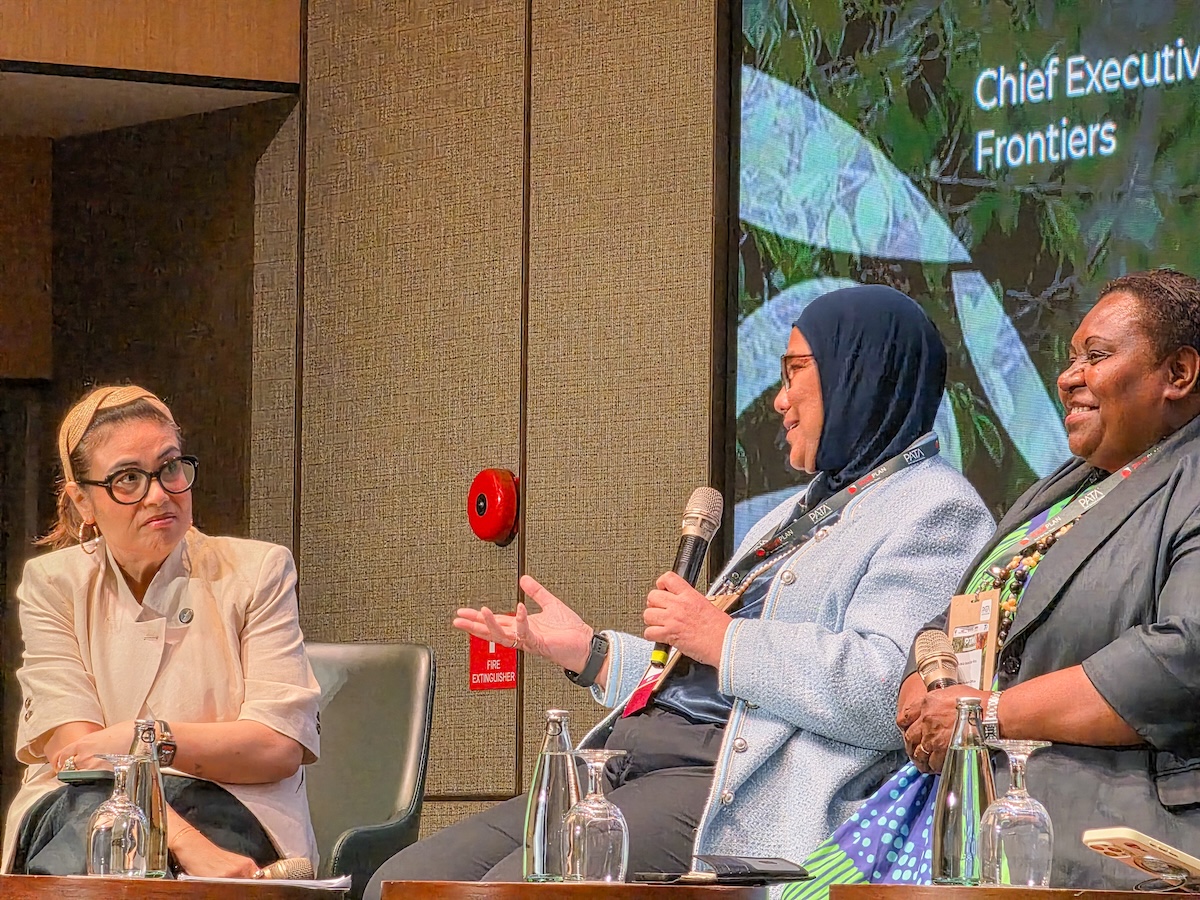
Dr Sharzede Salleh Askor, CEO of Sarawak Tourism Board, acknowledged that visitor arrivals and tourism receipts remain important. However, they are no longer viewed as the only indicators of success.
Sarawak has deliberately pursued niche tourism rather than mass tourism, with an emphasis on developing both urban and rural areas while ensuring that communities benefit from tourism.
The challenge is finding the right equilibrium: encouraging tourism growth without allowing it to negatively affect the people, culture and everyday life of the destination. For Sarawak, that means placing greater emphasis on quality over quantity.
A Journey Towards Quality
Vanuatu has undergone a similar transformation.
Adela Issachar Aru, CEO of Vanuatu Tourism Office, explained how the destination evolved from a strong focus on marketing and promotion towards a broader approach encompassing destination management, product development and community participation.
The shift has also changed how Vanuatu defines success.
While visitor numbers remain commercially important, the destination is increasingly looking at higher-value, lower-impact visitors, encouraging travellers to explore beyond the main tourism areas and support local communities.
The experience of COVID-19 further reinforced the importance of resilience. Vanuatu recognised the potential of its domestic market and began encouraging residents to discover their own country, creating an additional source of tourism demand while strengthening the industry’s ability to withstand external shocks.
The Destination Begins Before Arrival
In Macao, the conversation around growth extends to the visitor experience itself.
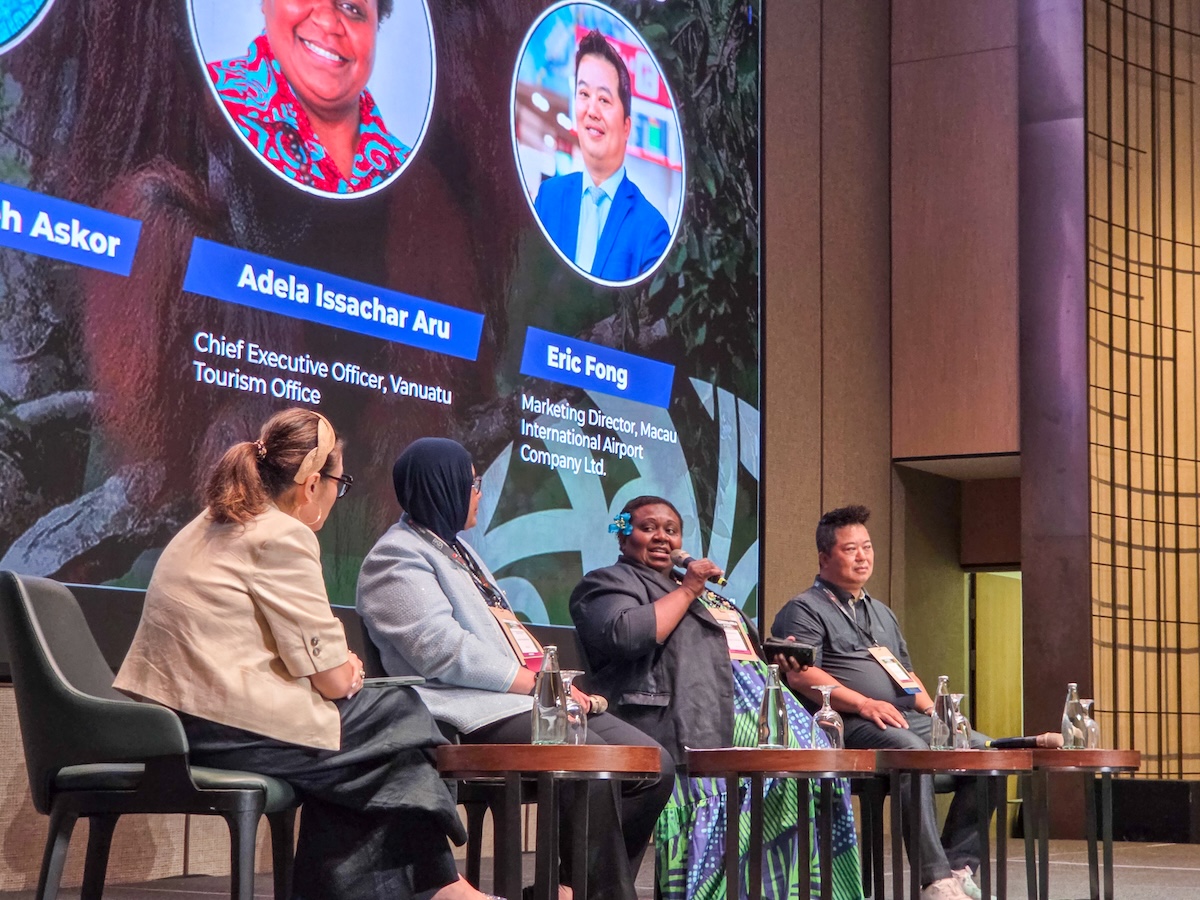
Eric Fong, Marketing Director of Macau International Airport Company Ltd., highlighted the importance of improving passenger experience rather than focusing solely on increasing numbers.
As the first and last point of contact for many travellers, an airport can influence how visitors perceive an entire destination. Easier processes, better facilities, cultural experiences, dining and shopping all contribute to a more positive journey.
Increasingly, the airport can also become part of the destination experience, introducing visitors to the culture and character of Macao even before they leave the terminal.

Educating the Responsible Traveller
Purposeful growth also requires destinations to think beyond marketing.
As social media, influencers and digital platforms increasingly shape travel decisions, destination organisations have a greater opportunity to prepare visitors before they arrive.
For Sarawak, this is particularly important given its rich cultural diversity and indigenous communities. Technology and AI can help communicate what visitors can expect, but they cannot replace genuine human interaction and cultural understanding.
The message is ultimately one of respect, understanding local customs, traditions and boundaries, and knowing what is appropriate when engaging with communities.
Tourism stakeholders, from destination organisations to travel agents and operators, all have a role to play in helping visitors become more responsible travellers.
Building Resilience Through Change
The discussion also highlighted how quickly the tourism landscape can change.
Geopolitical tensions, fuel prices, climate pressures and global crises can immediately affect travel patterns and connectivity. COVID-19 demonstrated just how vulnerable destinations can be when tourism comes to a standstill. For Vanuatu, the crisis prompted a rethink of organisational priorities and opened the door to domestic tourism as an important component of resilience.
For Macao, aviation volatility has reinforced the importance of collaboration between airports, airlines and tourism stakeholders to maintain connectivity and encourage people to continue travelling.
For Sarawak, agility and focus have become increasingly important, understanding how people want to travel, identifying the right markets and ensuring that infrastructure and stakeholders are ready to support growth.
Growth With Purpose
Despite the different circumstances of each destination, a common message emerged from the discussion:
Tourism growth is no longer simply about becoming bigger. It is about becoming better.
- Better experiences for visitors.
- Better opportunities for businesses.
- Better outcomes for communities.
- Better protection for culture and nature.
- And greater resilience for destinations.
Visitor arrivals will continue to matter. Tourism receipts will continue to matter. But they are only part of the story.
The bigger measure of success is whether tourism creates lasting value, economically, socially and culturally, while preserving the very qualities that make a destination worth visiting in the first place.
In an age defined by constant change, perhaps the future of tourism is not about asking how many visitors a destination can attract, but rather:
What kind of growth can create a better future for everyone?