



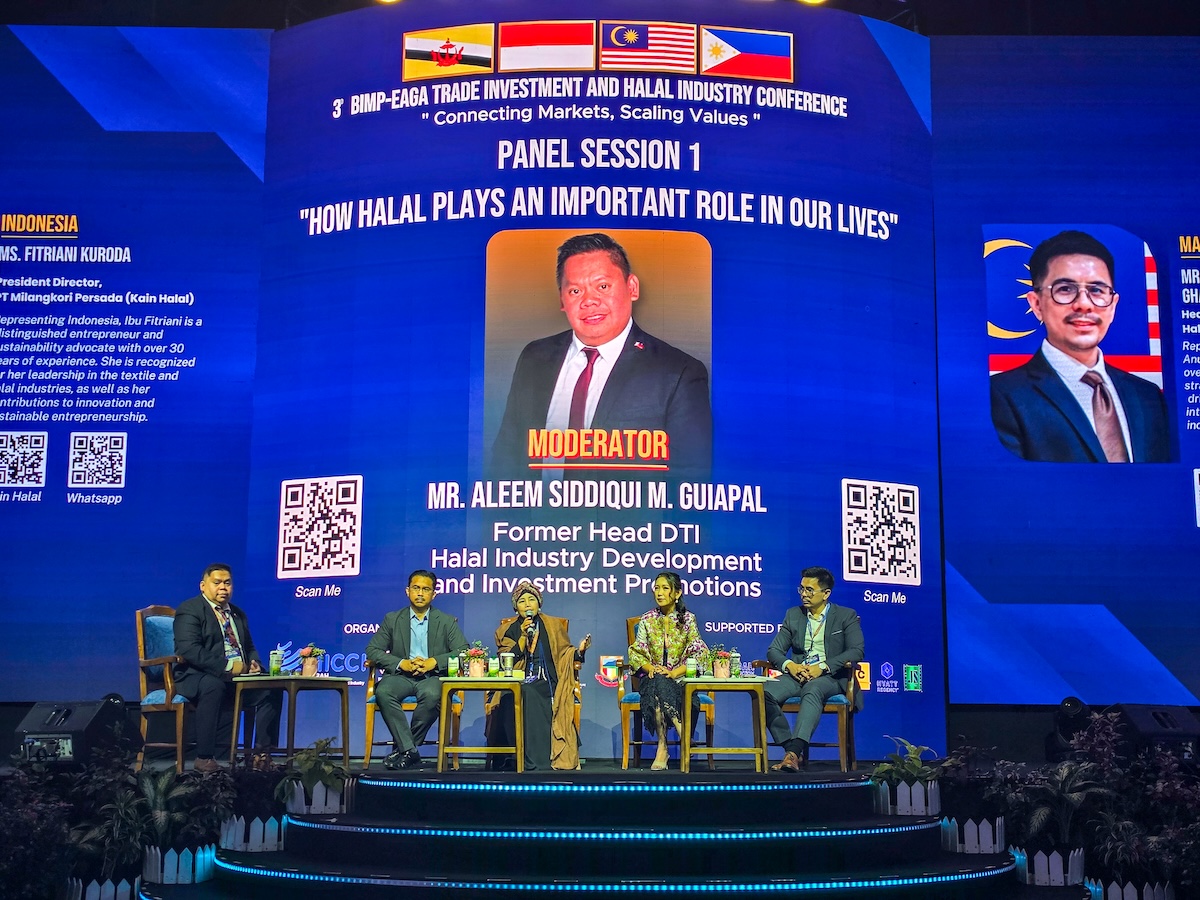
The panel explored how halal has evolved beyond its traditional association with food and religious observance to become a global economic opportunity, lifestyle concept and mark of trust, quality and assurance.
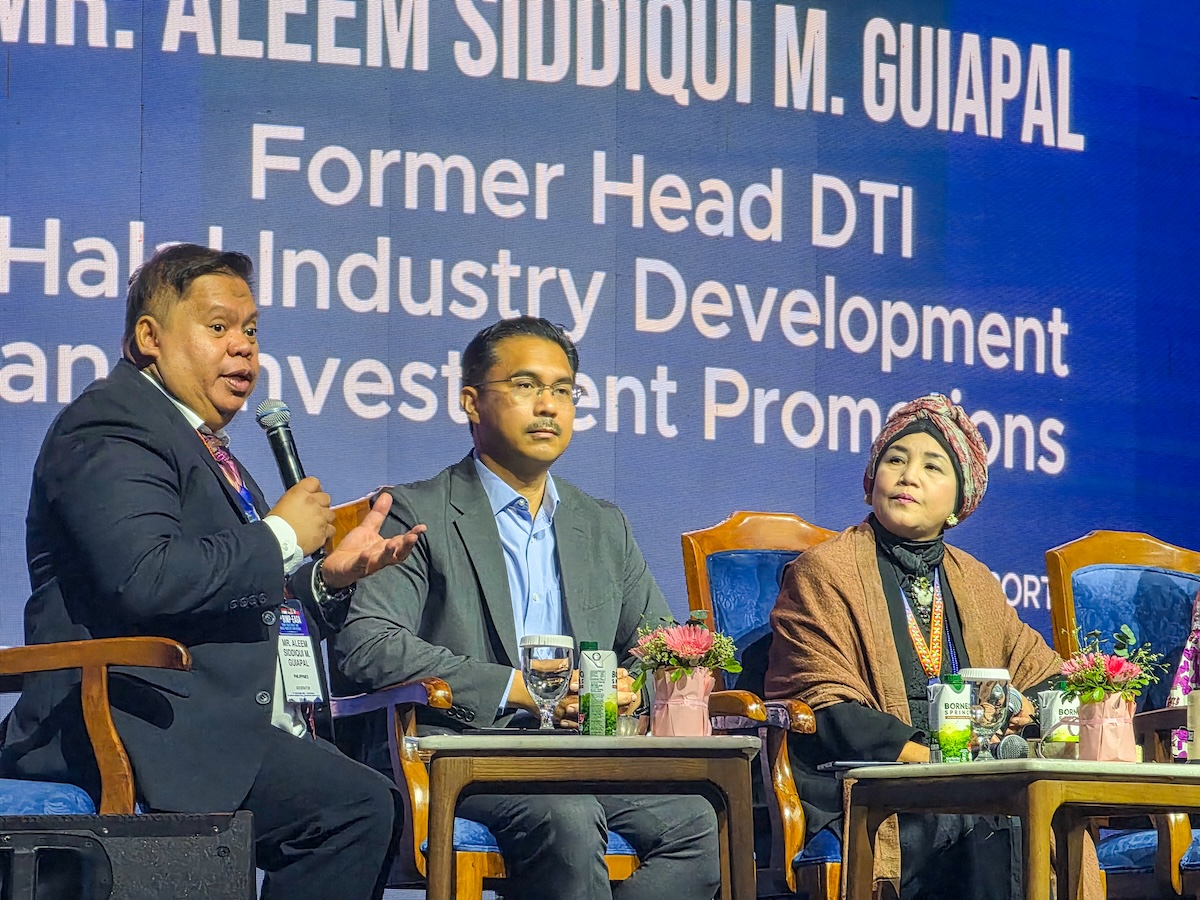
Moderator Aleem Siddiqui M. Guiapal, Former Head, DTI Halal Industry Development and Investment Promotions, Philippines, set the context by highlighting halal’s growing contribution to export growth, tourism, job creation, market access and economic development. Beyond its religious significance for Muslims, halal increasingly represents values such as cleanliness, safety, hygiene, purity and ethical practices, making it relevant to both Muslim and non-Muslim consumers.
Halal Beyond Boundaries - From Trust to Trade, From Markets to Regional Opportunity
From Religious Obligation to Global Opportunity
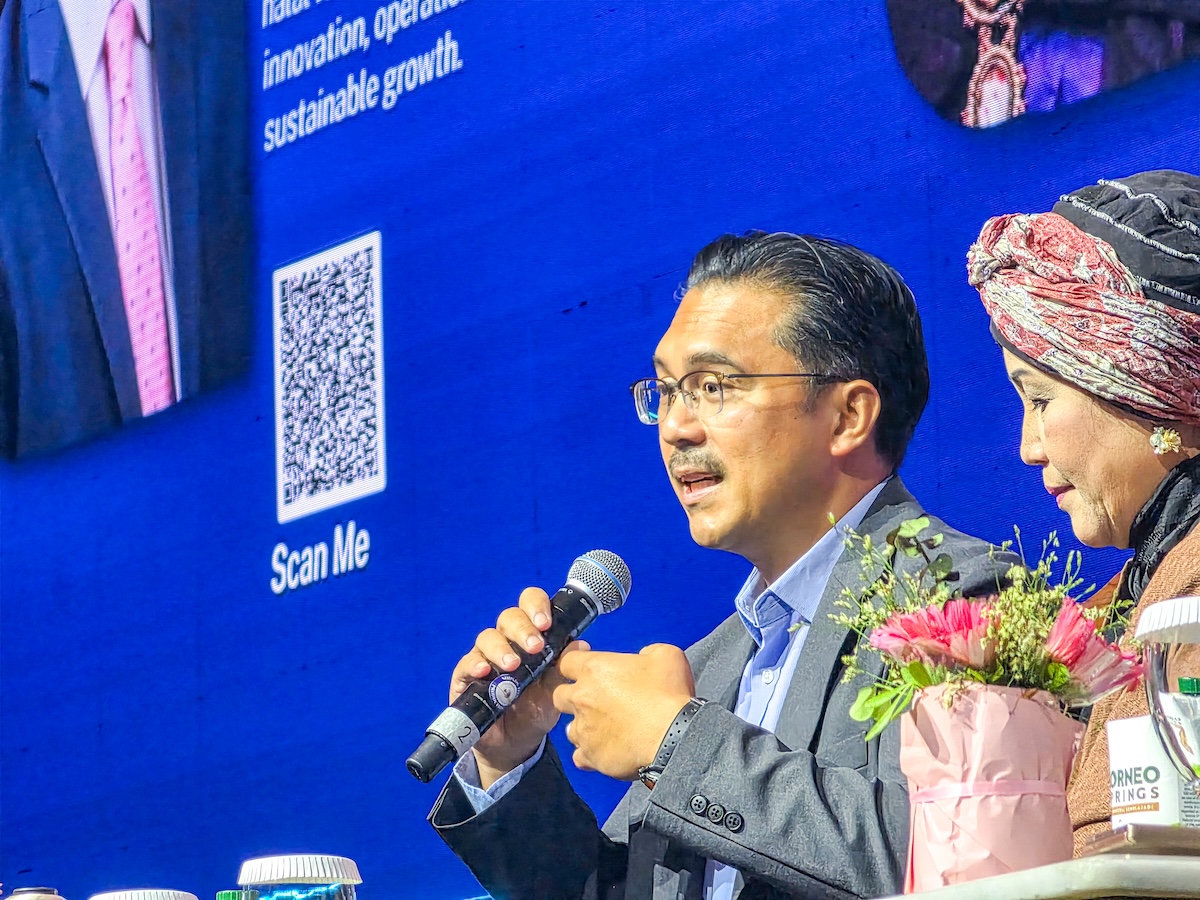
For Haji Jeff Hadiman, General Manager, Royal Brunei Culinary (RBC), halal should not be viewed as a restriction, but as a foundation of trust and assurance.
Representing Royal Brunei Culinary and other Brunei food businesses, he explained how halal certification provides confidence throughout the supply chain. Once consumers trust that a product is consistently produced according to halal requirements, certification becomes an enabler rather than a limitation.
“Halal is not really a restriction. Halal comes from a place of trust and assurance.”
He also highlighted the role of larger companies in helping MSMEs overcome the perceived complexity and cost of halal certification, particularly by connecting them with government agencies and development organisations that can provide guidance and support.
Beyond Food: Halal as a Way of Life
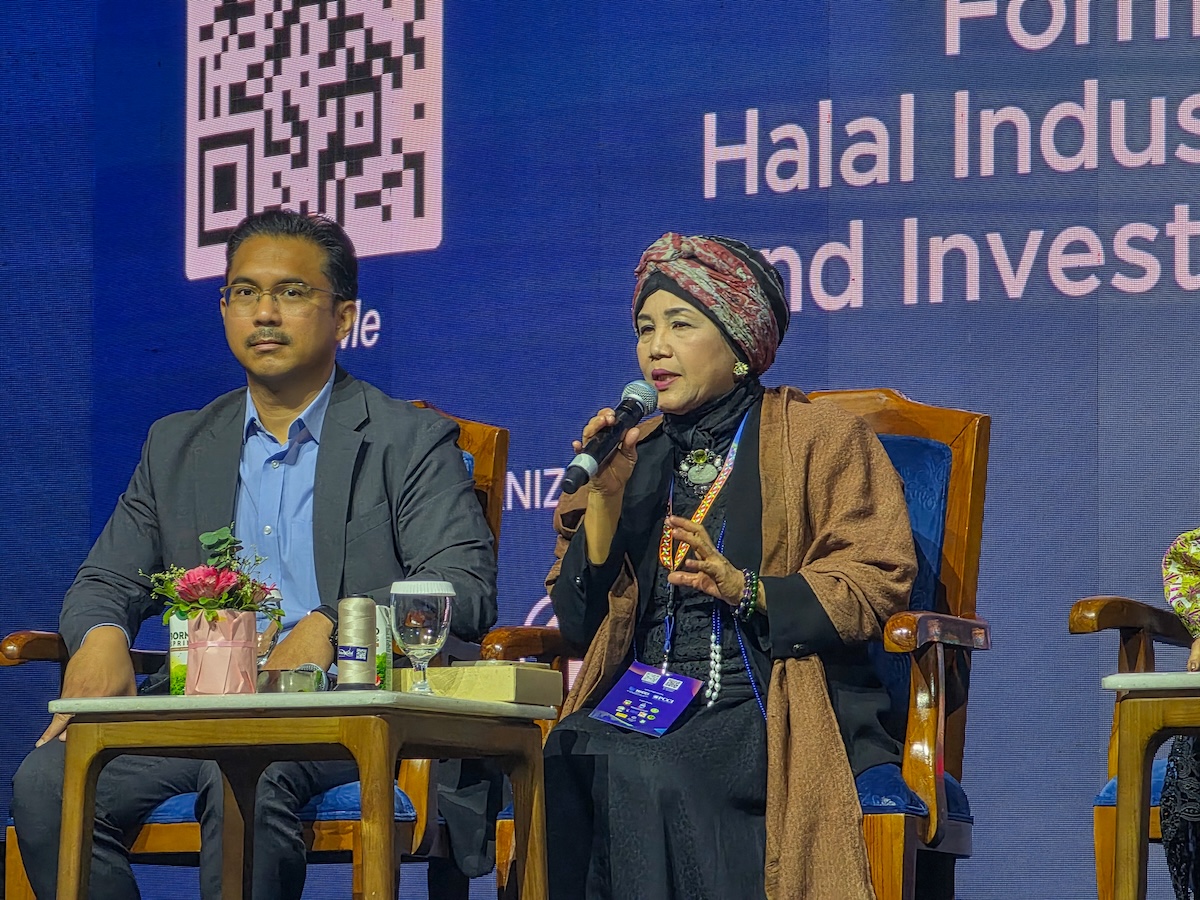
One of the most compelling discussions came from Fitriani Kuroda, President Director, PT Milangkori Persada (KainHalal), who demonstrated how halal is expanding into industries not traditionally associated with halal certification.
KainHalal’s work in developing halal-certified textiles challenges the common perception that halal applies primarily to food, cosmetics and beverages.
Fitriani explained that clothing is an essential part of everyday life and questioned whether consumers consider the origins and production processes behind the fabrics they wear. Her approach focuses on traceability from raw fibre and yarn through weaving and manufacturing, ensuring that the process meets halal requirements.
For her, halal textile production is about more than certification. It is about creating products that are traceable, hygienic, safe, ethical and trusted.
The initiative has also taken Indonesian halal textiles to international fashion platforms, including London, Paris and Milan, demonstrating the potential to position halal as a globally relevant value proposition rather than something limited to Muslim markets.
“Halal for All”
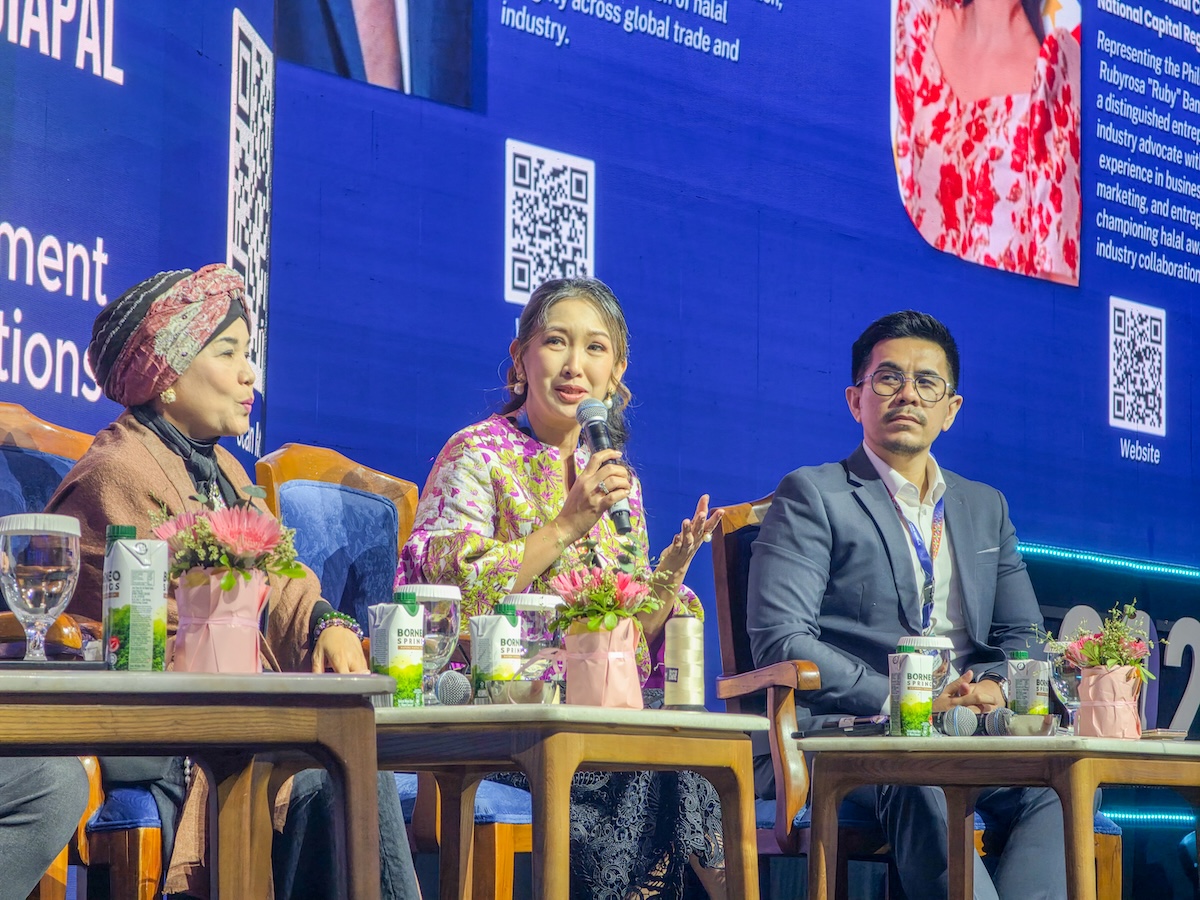
For Ruby Banares Victorino, President of PCCI Makati and Chairman of its Halal Committee for the National Capital Region, halal presents an opportunity that extends well beyond the Muslim community.
Ruby shared her journey in promoting halal in the Philippines and her belief in the concept of “Halal for All.”
She stressed that halal values such as quality, cleanliness, trust and responsible production can appeal to a much broader consumer base.
This perspective also opens opportunities across sectors including tourism, transportation, logistics, supply chains, clothing and services.
Rather than positioning destinations solely as “Muslim-friendly,” she suggested that businesses and destinations could communicate halal through the broader values and experiences they offer, creating opportunities to reach both Muslim and non-Muslim markets.
Building an Ecosystem, Not Just Exporting Products
Ruby also emphasised the importance of developing a connected halal ecosystem, rather than having each country or city focus only on exporting its own products.
Using the Philippines as an example, she explained that developing Makati alone as a halal hub would be challenging because of its role as a financial district and its limited agricultural and production base.
Instead, an inter-regional approach could connect the strengths of different cities and regions, bringing together raw materials, manufacturing capabilities, technology, financing, logistics and markets.
The same concept can be applied across BIMP-EAGA. The region could leverage Indonesia’s textile capabilities, Philippine agricultural resources, Brunei’s halal assurance and Malaysia’s halal ecosystem and expertise to create cross-border value chains that benefit the entire region.
From Certification to Market Access
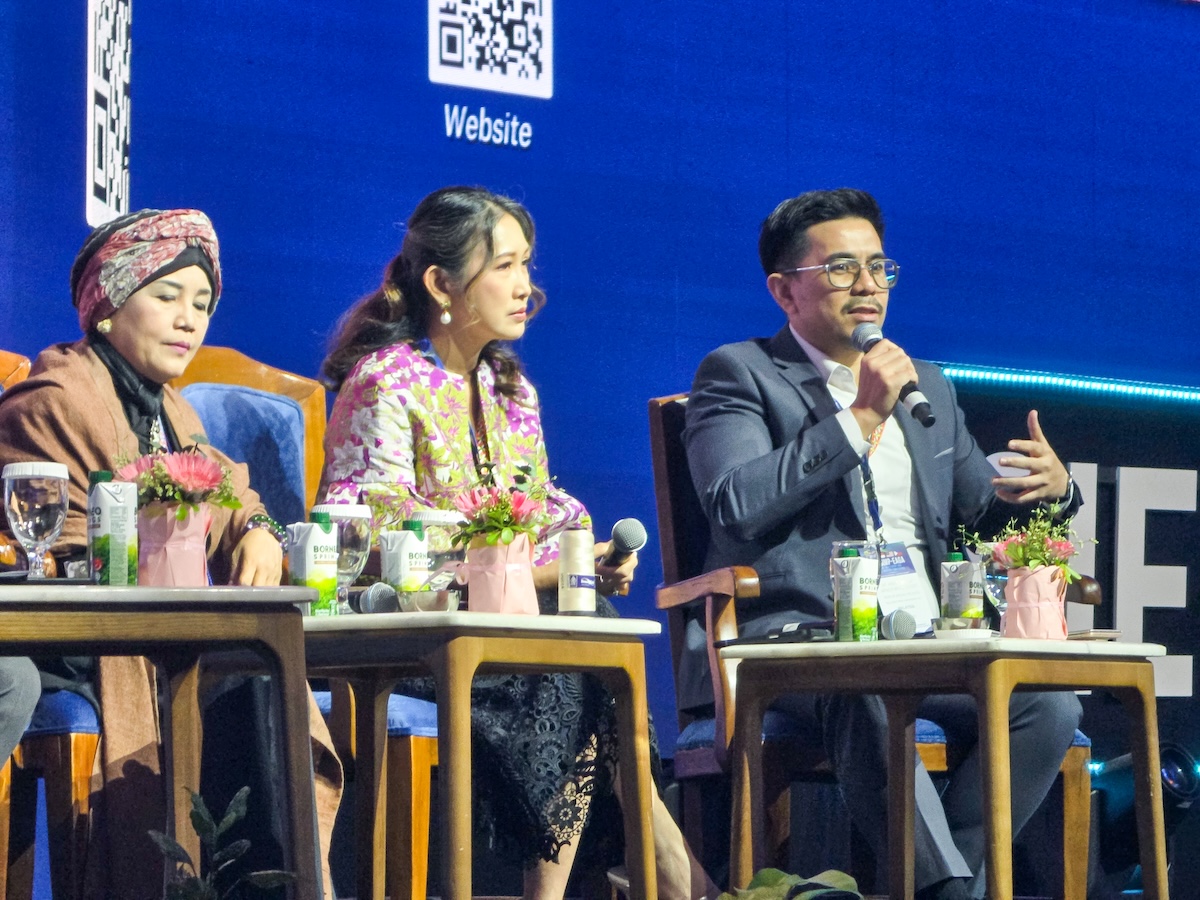
From Malaysia’s perspective, Mohd Dhaliff Ghaus Mohd Anuar, Head of Special Projects, Halal Development Corporation (HDC), highlighted that developing the halal industry requires more than helping businesses obtain certification.
HDC supports Malaysian businesses through programmes that help SMEs become halal-ready, certification-ready and export-ready, while also supporting companies that have already obtained certification and are looking to scale.
He explained that HDC’s Special Projects function also works with international partners and governments to develop halal ecosystems, master plans and initiatives tailored to different markets.
A key focus is therefore moving businesses along the halal journey, from entering the halal space, to certification, scaling, financing and ultimately international market access.
Dhaliff also highlighted the complexity of harmonising halal certification internationally.
Rather than expecting every country to operate under an identical system, Malaysia continues to work through bilateral relationships, recognition arrangements and international dialogue to reduce trade barriers.
Collaboration as the Way Forward
A recurring message throughout the panel was that collaboration, not competition, will determine the next phase of BIMP-EAGA’s halal economy.
The panellists identified opportunities to connect businesses across borders, share knowledge, develop supply chains, improve market access and create new products together.
Fitriani proposed taking this collaboration into the textile and fashion sector by bringing together the traditional heritage fabrics of BIMP-EAGA, including Indonesia’s batik and sarong, the Philippines’ piña and barong, Brunei’s traditional textiles and Malaysia’s baju kurung, and developing a regional halal textile and fashion showcase.
Jeff similarly encouraged businesses to look beyond domestic markets and explore Brunei as a sourcing, processing and distribution partner, particularly for halal-certified raw materials and Brunei-made products.
For HDC, the invitation was equally straightforward: start the conversation, identify common challenges and work together on practical solutions.
The Way Forward
The panel closed with a shared recognition that halal is not simply a market segment, it is an economic ecosystem with the potential to create jobs, attract investment, strengthen businesses and connect markets across BIMP-EAGA.
The opportunity now is to move from certification to collaboration, from individual markets to regional value chains, and from discussion to action.
As the moderator summarised, halal represents jobs, dignity, peace and economic opportunity. BIMP-EAGA now has the opportunity to turn these shared aspirations into tangible outcomes through stronger regional cooperation.