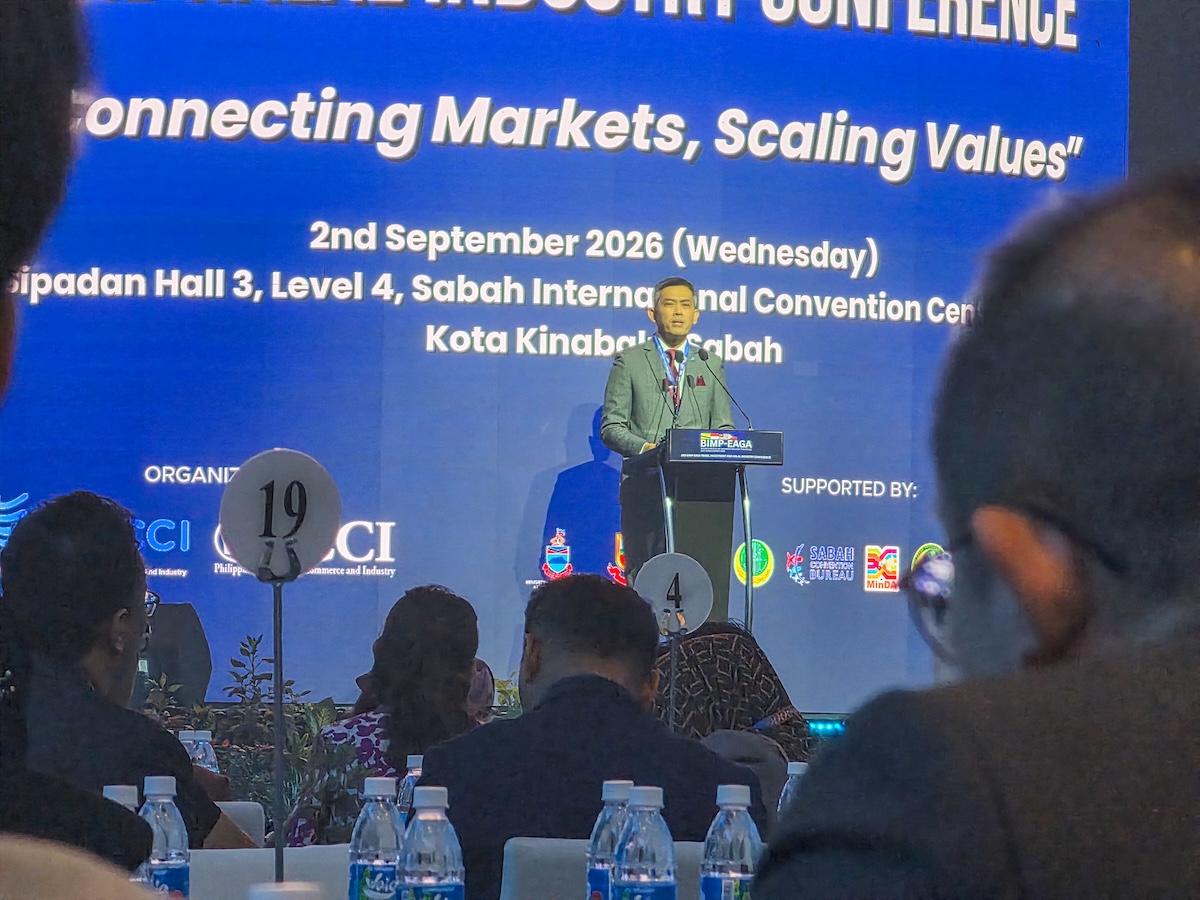
For Sabah to realise its halal potential, the next step is not to start from scratch, but to connect what it already has and turn it into a stronger regional value chain. The state already possesses many of the building blocks, agriculture, fisheries, food production, entrepreneurs, ports, infrastructure and strategic connectivity across the BIMP-EAGA region. The challenge now is to bring these strengths together, scale them and create greater value.
In his keynote address, The Hon. Brigedier Jeneral Datuk Haji Al-Hambra Tun Juhar, Deputy Speaker of the Sabah State Legislative Assembly, called for a broader understanding of the halal industry and a more ambitious approach to Sabah’s role within the regional halal economy. He urged businesses and policymakers to look beyond the traditional perception of halal as simply a food category.
Halal is an entire industry ecosystem.
It is not simply a food category
He pointed to opportunities spanning food and beverages, cosmetics, pharmaceuticals, halal ingredients, biotechnology, chemicals, fashion, tourism and Muslim-friendly services.
Start With What Sabah Already Has
Datuk Haji Al-Hambra stressed that Sabah’s opportunity lies in building on existing strengths rather than starting from zero.
Sabah is not starting from zero. We already have halal products, we already export, and we have agriculture, fisheries, food production, ports and connectivity.
The real challenge, he said, is making these existing capabilities “bigger, better and more valuable”. To achieve this, he introduced his Segitiga Maju Jaya, or Triangle of Success, built around three priorities: Production, Gateway and Value Add.
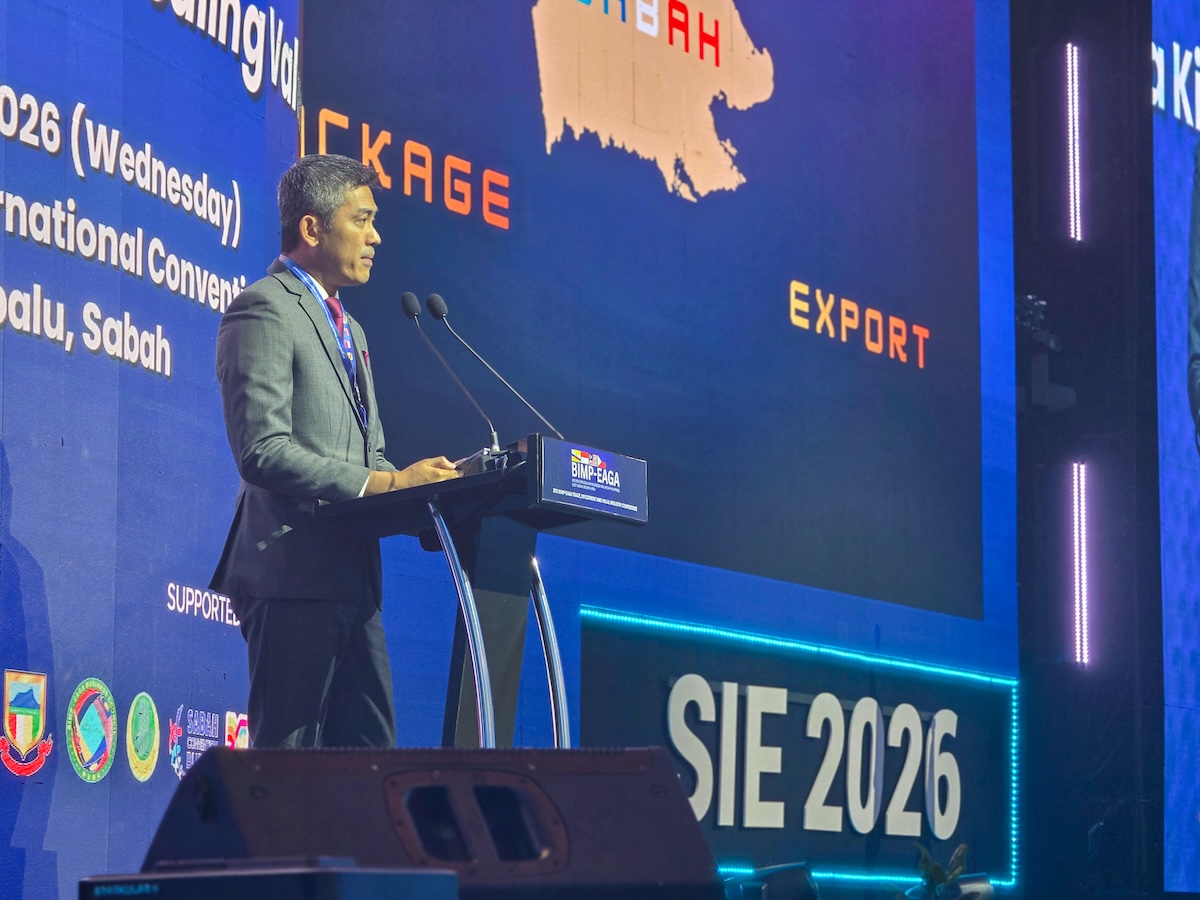
Production: From Capability to Scale
Production focuses on scaling Sabah’s existing halal capabilities. The state already has a strong base of farmers, fishermen, food producers, entrepreneurs and SMEs, but many continue to operate independently and on a relatively small scale. The challenge is no longer whether Sabah can produce, but whether its businesses can produce consistently, competitively and at sufficient scale to serve regional and international markets.
The first priority focuses on scaling Sabah’s existing halal capabilities. While the state has a strong base of farmers, fishermen, food producers, entrepreneurs and SMEs, many continue to operate independently and on a relatively small scale. The challenge is no longer whether Sabah can produce, but whether its businesses can produce consistently, competitively and at sufficient scale to serve regional and international markets.
Achieving this requires a more connected ecosystem linking farmers, fishermen, manufacturers, packaging companies and SMEs, while giving businesses access to market intelligence to support investment and expansion.
Scaling up, however, comes with higher costs, from machinery, manpower and utilities to logistics and compliance. Businesses entering larger markets therefore need to take calculated risks, supported by a clear understanding of market demand, competition, pricing and regulatory requirements.
That expansion must also be built on a strong domestic foundation, including healthy cash flow, stable production and sufficient capacity to meet demand. Going overseas, he cautioned, should be the next step after establishing a solid operation at home, not a way of escaping weaknesses in the domestic market.
Beyond halal certification, exporters must also be prepared to meet international expectations for quality, safety, traceability and manufacturing standards.
Ultimately, the real measure is not how many halal companies Sabah has, but how many are ready to supply BIMP-EAGA consistently and at scale.
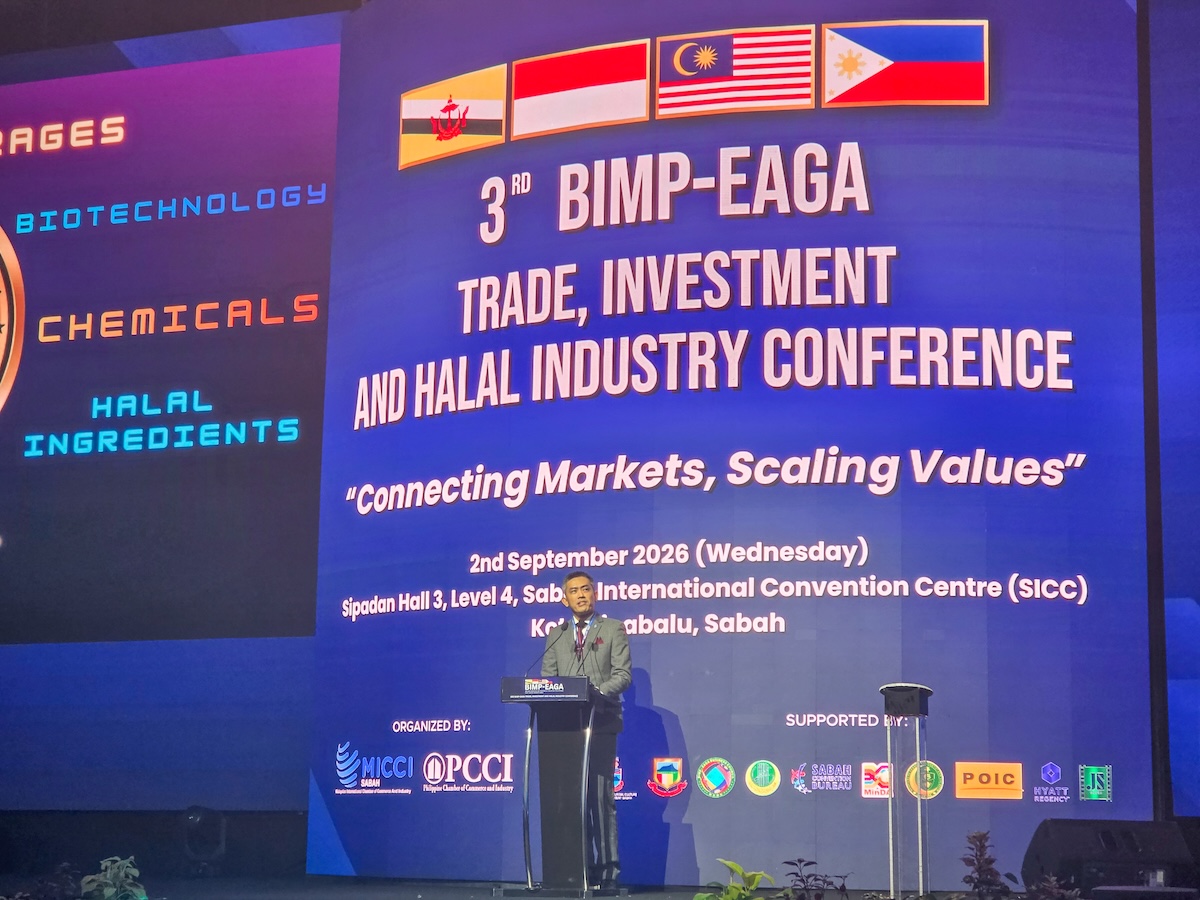
Gateway: Turning Geography Into Advantage
The second priority builds on Sabah’s strategic location. Positioned within BIMP-EAGA and closely connected to Brunei, Indonesia and the Philippines, Sabah has the potential to move beyond being an exporter and become a regional gateway for halal trade.
Realising this ambition requires a stronger halal logistics ecosystem that integrates production, storage, cold-chain facilities, ports, shipping and distribution. This is particularly critical for temperature-sensitive products such as seafood, where halal integrity must be maintained throughout the supply chain.
The vision extends to a BIMP-EAGA halal corridor linking Sabah with Brunei, Sarawak, Kalimantan and Mindanao, while opening pathways to wider ASEAN and global halal markets.
By strengthening its logistics and connectivity, Sabah can become a regional hub where halal products are efficiently processed, stored and moved from producers to markets across BIMP-EAGA and beyond.
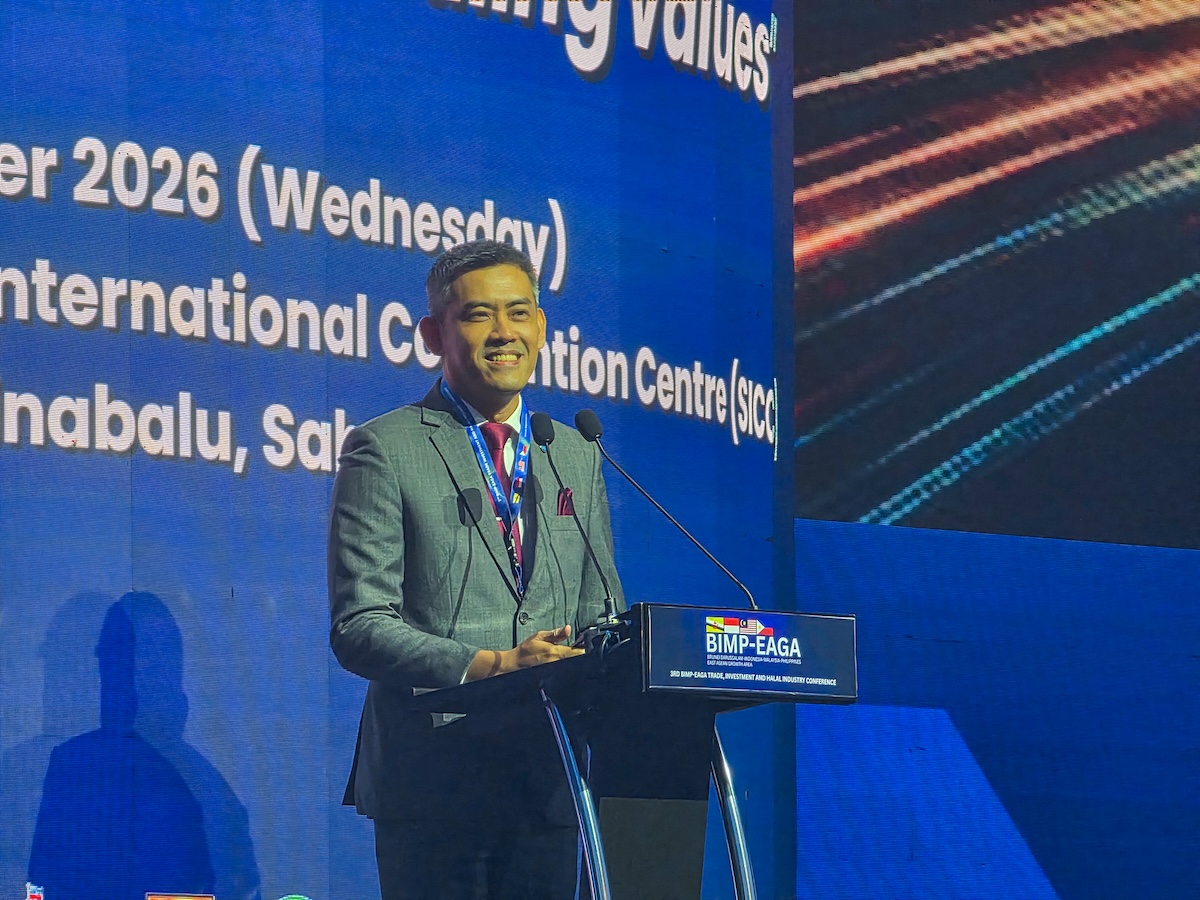
Value Add: Capturing More of What Sabah Creates
The third priority addresses perhaps the greatest opportunity: ensuring more of the economic value generated from Sabah’s resources stays within the state
Sabah has tremendous natural resources, from seafood and agriculture to livestock and food products. But producing a commodity does not necessarily mean capturing its full economic value.
Sabah has abundant resources, from seafood and agriculture to livestock and food production. But producing a commodity does not necessarily mean capturing its full economic value.
Using seafood as an example, Datuk Haji Al-Hambra noted that when products are caught in Sabah but processed, packaged and branded elsewhere, much of the value is captured outside the state. The opportunity is to change that equation by moving beyond raw commodities towards processing, packaging, branding and exporting from Sabah.
Our ambition should not simply be ‘Made in Sabah’. Our ambition should be made, processed, branded and exported from Sabah to the world.
This shift towards higher-value halal industries could attract investment, create jobs and build stronger Sabah-owned brands in regional and international markets.
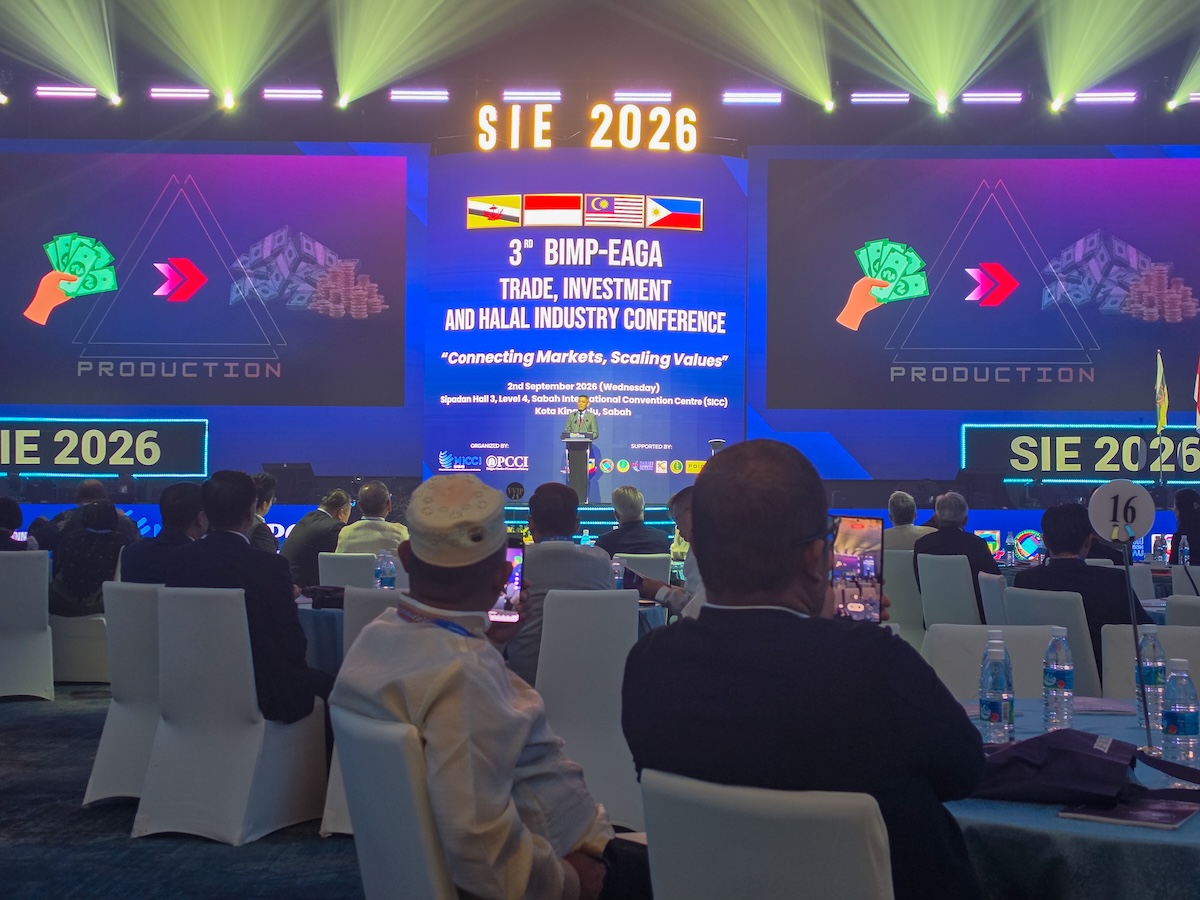
Connecting the Three Sides
Production, Gateway and Value Add are not separate strategies. They are interconnected, each reinforcing the other.
- Production creates supply and capacity.
- Gateway connects Sabah’s products to regional and international markets.
- Value Add ensures more economic value stays within the state.
Together, they form Datuk Haji Al-Hambra’s Triangle of Success, with one clear ambition: to position Sabah as the halal gateway of BIMP-EAGA.
The development of the halal hub at KKIP (Kota Kinabalu Industrial Park) provides an important foundation, but its success should not be measured by the size of its facilities or the number of companies operating there. Instead, the real measure is economic impact.
How much production is created?
How much trade moves through Sabah?
How much value is retained locally?
How many Sabah companies grow into successful regional halal businesses?
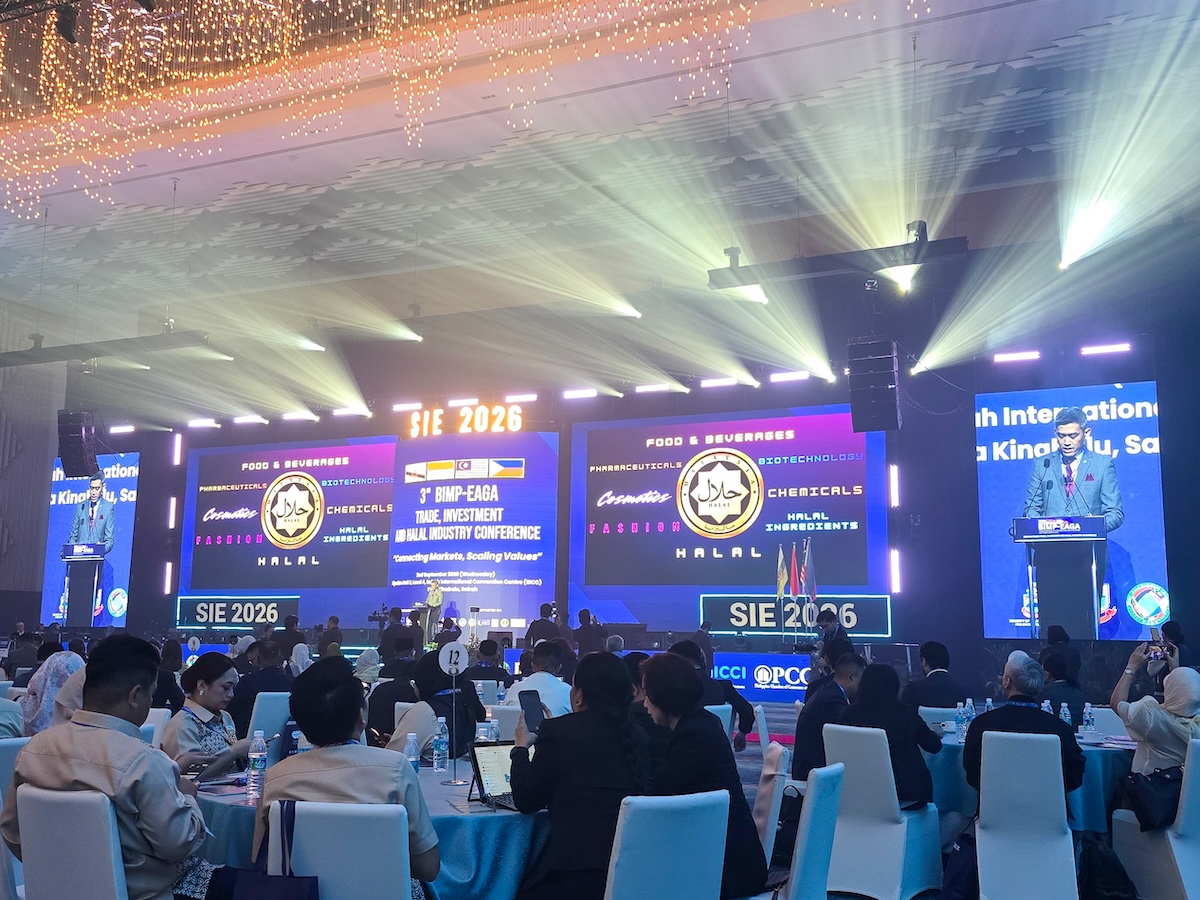
Ultimately, the opportunity is about connecting Sabah’s existing strengths, its resources, businesses, infrastructure, markets and people, into a stronger regional halal ecosystem.
From Borneo to BIMP-EAGA, ASEAN and beyond, Sabah has the opportunity to become more than a producer of halal products. It can become the gateway where halal products are created, value is retained, and regional trade comes together.