



Let’s experience a new way to discover the hidden gems of Seoul like you have never seen before on a pedicab tour.
WeRide offers cultural tours and food tours by bicycle, pedicab and walking for individual traveller, corporate groups and MICE delegates. They can take in groups range from 1 to 300 people at one time with their licensed guides, ensuring everyone will be taken care with a personal touch.
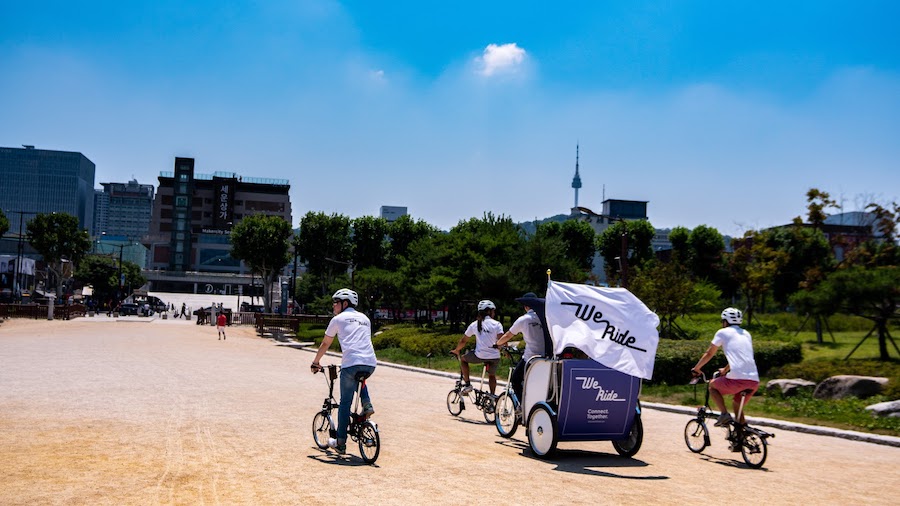 Onboard a unique rickshaw to explore the city of Seoul on your own pace with a professional local guide! The knowledgeable guides will bring you to their “secret places” off the beaten path that are not well known to tourists yet, sharing the history and interesting stories on every place that you visit. Hence, you can explore the small alleys and hidden cafes, shops or buildings that are not accessible by cars.
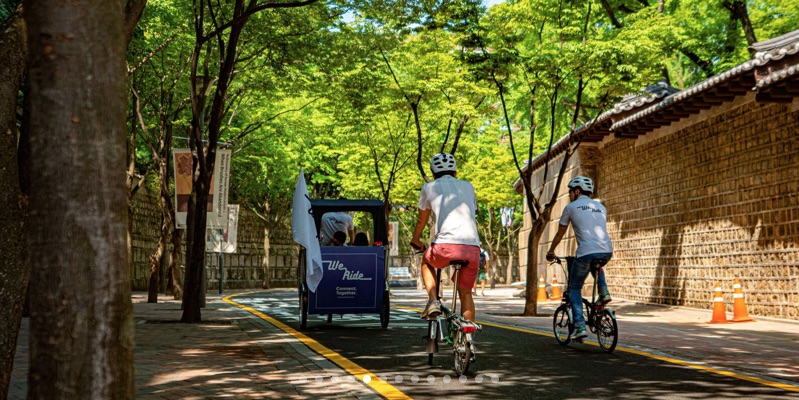 Let’s go on an awesome rickshaw tour of Bukchon, located north of Cheonggyecheon Stream and Jongno, embodies the spirit of the Korean traditions in its 600-year-old urban history with numerous alleys and hanok houses. Now, the Korean village used as traditional cultural centre and Hanok restaurants, allowing visitors to experience the atmosphere of the Joseon Dynasty.
 The rickshaw will pass through popular streets and alleys and usher you into the scenes of unique and trendy cafes, galleries, restaurants and the hanok houses.
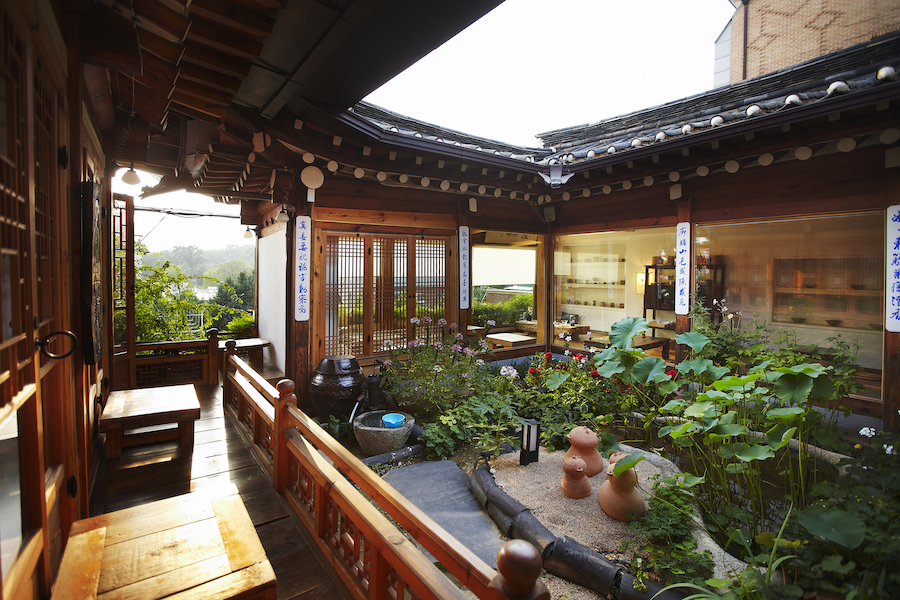
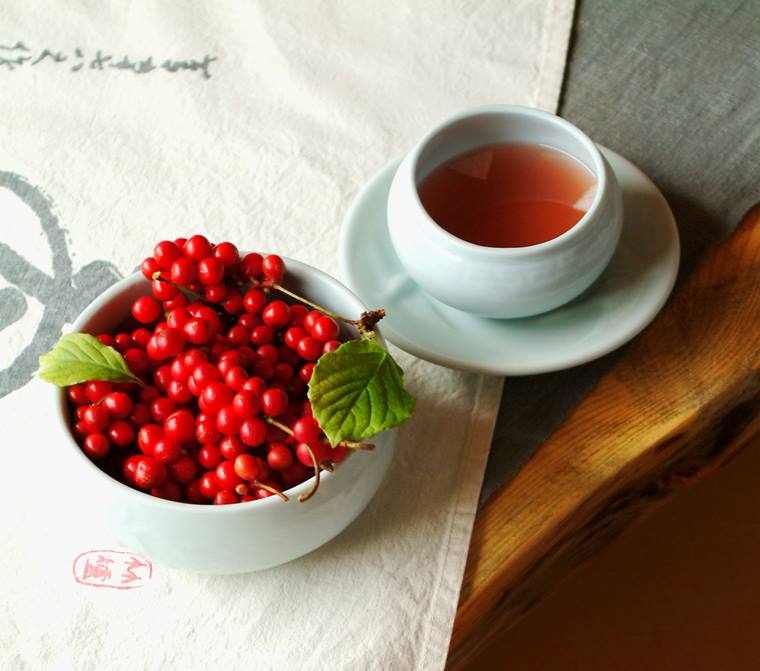 During your tour, you can take a break by having a cup of Korean tea in a beautiful Hanok cafe, while admiring the fantastic views of the Bukchon Hanok Village. Omija tea is a traditional Korean tea made by boiling dried magnolia berries (Omija) in water on low heat, then adding honey. Omija means “five flavours”, namely sweetness, sourness, bitterness, saltiness and pungency.
Baek In-je House, located in Bukchon Hanok Village, is a traditional Korean House built during the Japanese administration that showcases modern hanok features. The structure consists of a main room offering a good view of the whole village, spacious bedrooms, a large garden and an annex building.
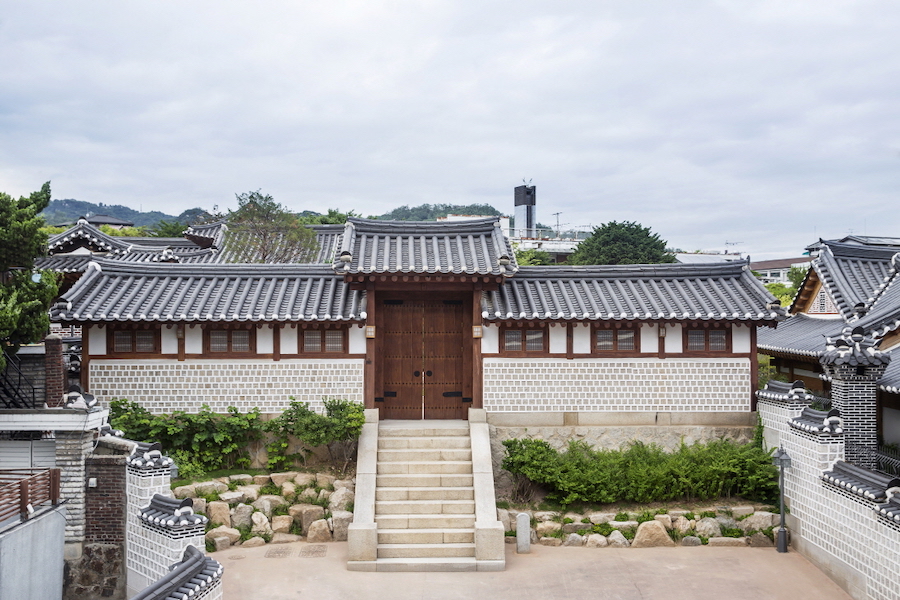 In the BaekInje’s House, you can view its well-built sarangchae from the garden, the spacious anchae from the courtyard, and the small detached quarters from the backyard.
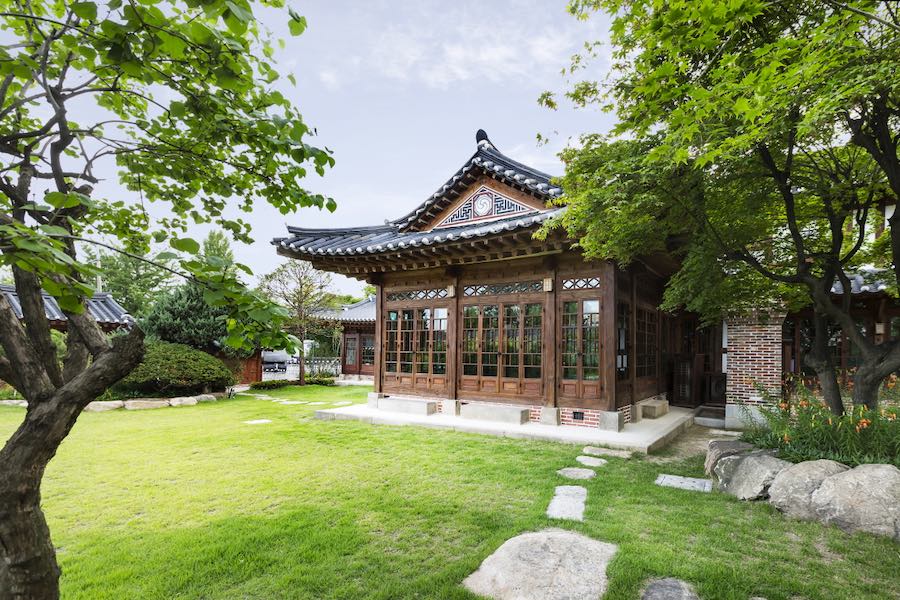 Baek In-je House was built from black pine, which was first introduced to Seoul during Gyeongseong Expo in 1907, distinguishing itself from other upper-class houses in its time. Unlike other traditional hanok that separate the main building from the other rooms, Baek In-je House connects the two with a hallway, allowing convenient access between the two structures. The house also consists of a Japanese style hallway and floor mat rooms, reflecting the architecture trend during its period.
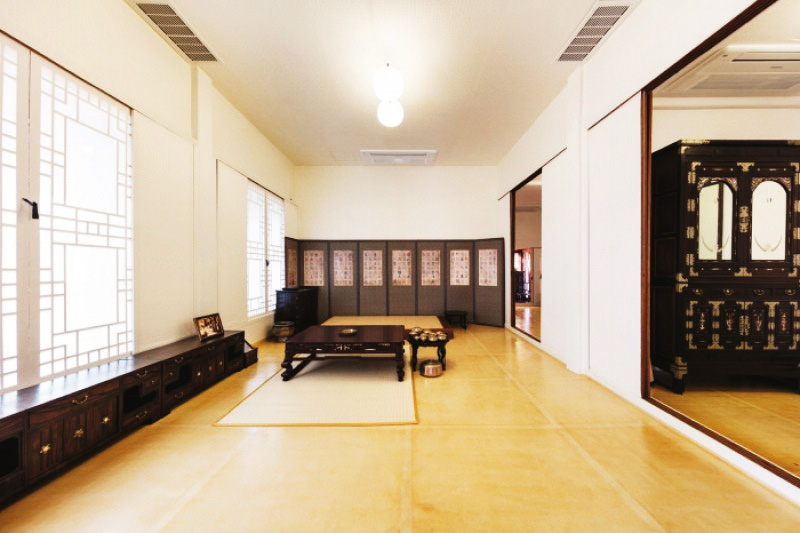 Baek In-je House is also unique as the main room is partly built as a two-story structure, a style that was never seen in any traditional hanok built during the Joseon period. As it withholds the beauty of a traditional hanok while embracing the modern trend of its time, Baek In-je House is a valuable cultural heritage in term of both architecture and history, representing the Bukchon Hanok Village together with Yun Bo-seon House.
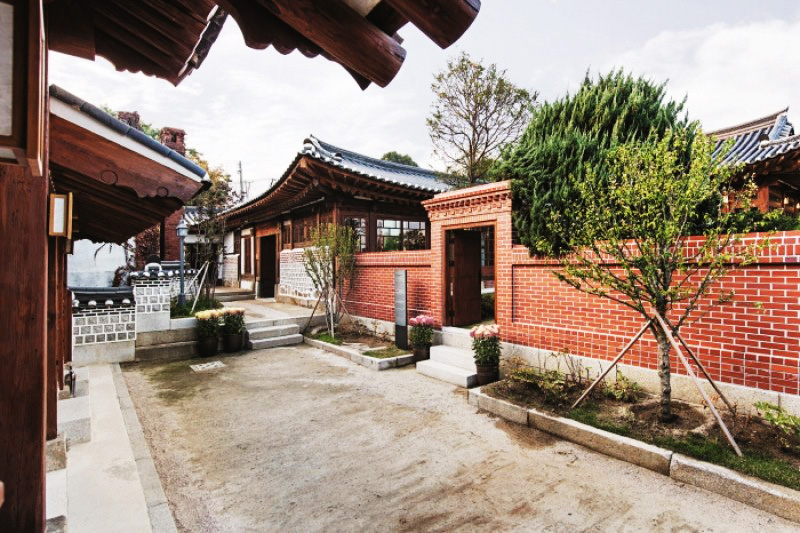 If you are looking for educational, active and fun activity to explore and enjoy the Seoul city from a new perspective, then this rickshaw tour definitely will be one of your options.