



With BCCK2 progressing, air connectivity improving and a more strategic approach to event acquisition, Sarawak is positioning business events as a platform for investment, knowledge exchange, industry development and international partnerships across the Asia-Pacific.
Sarawak is entering a new phase of business events growth, with expanding convention capacity, improving connectivity and a more targeted approach to the events it pursues expected to strengthen its position in the wider Asia-Pacific market.
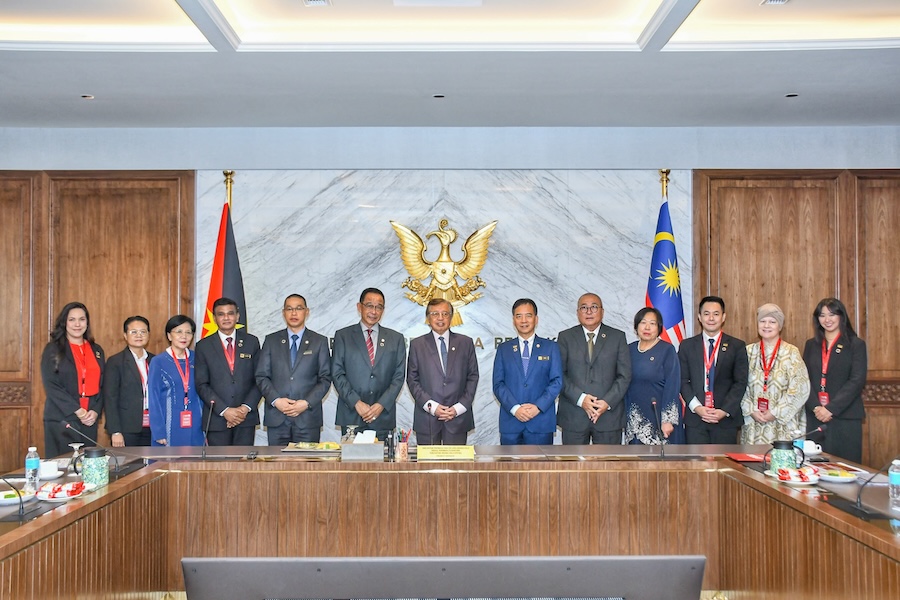
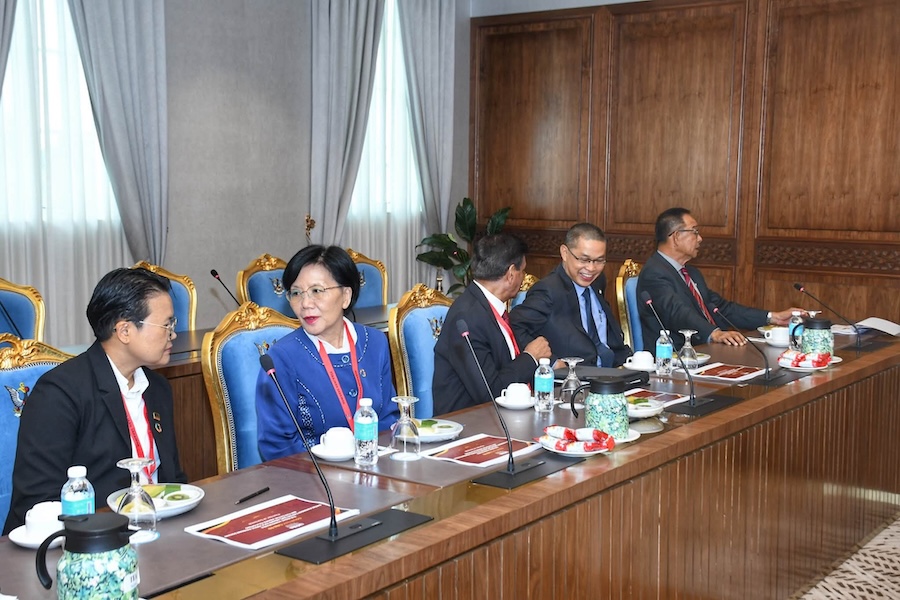
The direction emerged from a recent courtesy call by Business Events Sarawak (BESarawak) on Sarawak Premier Datuk Patinggi Tan Sri Abang Johari Tun Openg, where discussions focused on the next phase of the state’s business events development and its alignment with the Post COVID-19 Development Strategy 2030 (PCDS 2030).
The discussions highlighted venue and accommodation capacity, infrastructure and air connectivity as important factors in strengthening Sarawak’s ability to compete for larger and more diverse business events as competition across Southeast Asia and the wider Asia-Pacific intensifies.
Building Capacity for Larger Opportunities
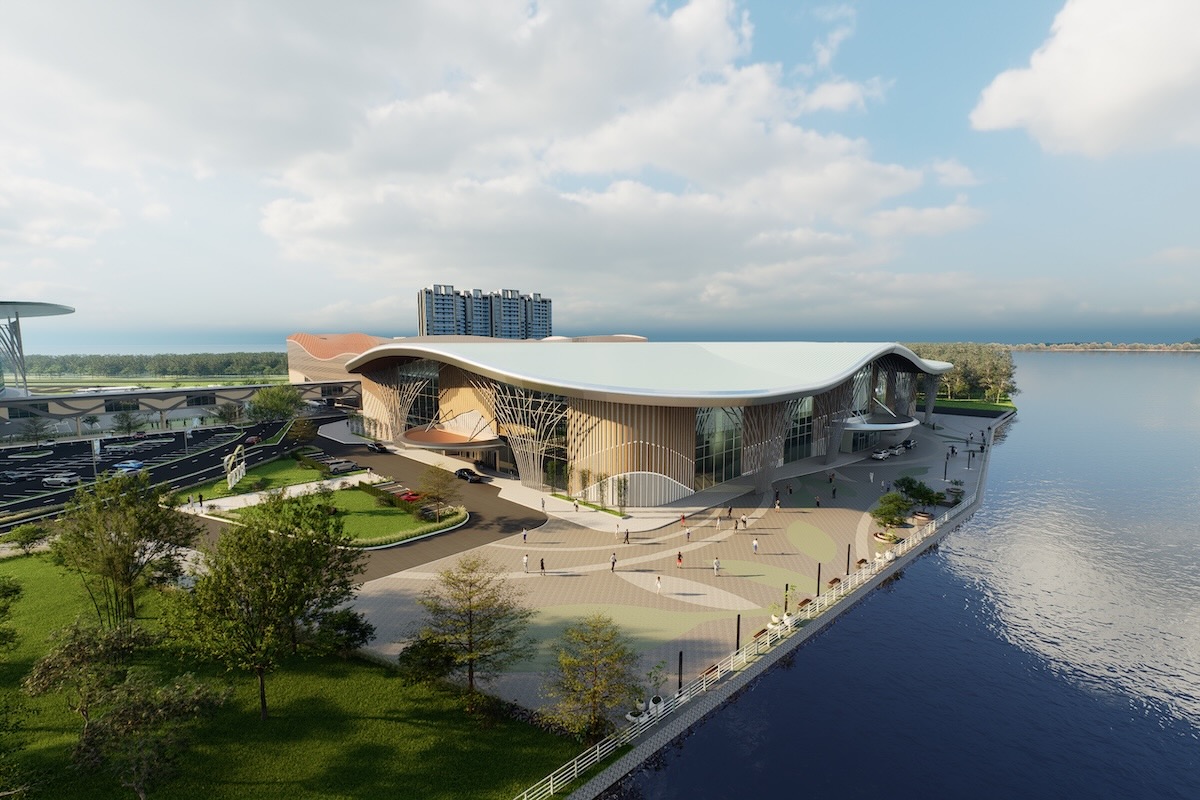
A major component of this next phase is the progress of the Borneo Convention Centre Kuching 2 (BCCK2).
The development is expected to expand Sarawak’s capacity to accommodate larger and more diverse international and national business events, giving the state greater flexibility in pursuing opportunities that require increased venue capacity.
For a destination seeking to grow its international business events market, venue capacity is only one part of the equation. Accommodation, supporting infrastructure and accessibility also need to develop alongside the events pipeline.
BCCK2 therefore represents more than additional convention space. It provides Sarawak with greater capacity to compete for events that require larger venues and more extensive event infrastructure, while complementing the state’s existing business events ecosystem.
Connectivity as a Competitive Advantage
Infrastructure alone, however, is not enough.
Air connectivity remains a critical consideration for international event organisers, associations and corporations when evaluating destinations. Improved connectivity through AirBorneo is therefore expected to support Sarawak’s efforts to attract a wider range of national and international business events.
For international participants, speakers, exhibitors and organisers, accessibility can be a decisive factor in destination selection. Strengthening connectivity consequently supports Sarawak’s broader ambition to compete for a greater share of the Asia-Pacific business events market.
The combination of increased venue capacity and improved accessibility gives Sarawak a stronger platform from which to pursue larger international opportunities.
From Event Growth to Greater Value
Yet the most significant aspect of Sarawak’s next phase may not be infrastructure.
It is the growing emphasis on what business events can deliver for the destination.
BESarawak is looking to build on the momentum developed over the past two decades by becoming more intentional about the events it pursues, strengthening the business events ecosystem and creating greater value from the opportunities it secures.
This places greater emphasis on outcomes such as investment, talent development, industry growth, knowledge exchange, innovation and international partnerships.
The approach reflects Sarawak’s established focus on legacy-driven business events, where the value of an event extends beyond delegate expenditure, hotel stays and immediate tourism receipts.
An international congress, convention or exhibition can provide local businesses and industries with access to international organisations, investors, researchers and professional communities. It can also create opportunities for knowledge transfer, collaboration and relationships that continue beyond the event itself.
The emphasis is therefore shifting from event volume towards the economic, industry and knowledge outcomes generated by the events secured.
Business Events Within PCDS 2030
This gives particular significance to the alignment between Sarawak’s business events strategy and the Post COVID-19 Development Strategy 2030 (PCDS 2030).
The state’s business events ambitions are being positioned within a broader development agenda, rather than treating conventions, exhibitions and corporate meetings solely as tourism activities.
The focus on investment, talent development, industry growth, knowledge exchange, innovation and international partnerships creates a direct connection between business events and Sarawak’s wider economic and development objectives.
This approach also strengthens the rationale for pursuing events that align with the state’s priority sectors.
Instead of measuring an event’s value only through visitor numbers or economic impact generated during the event period, its longer-term contribution can also be considered — including whether it creates opportunities for investment, knowledge transfer, talent development, industry connections or international collaboration.
Business events can consequently become platforms that support the wider ambitions of PCDS 2030.
Aligning the Pipeline with Priority Sectors
This thinking also supports a more strategic approach to bidding.
Rather than pursuing events solely on their size or delegate numbers, closer alignment between the business events pipeline and Sarawak’s priority sectors can help identify opportunities that have greater relevance to the state’s economic ambitions.
Such events can connect local industries with international expertise, facilitate investment conversations, expose local talent to global knowledge and create new professional and commercial networks.
The result is a business events pipeline that can function as an extension of broader economic development efforts.
For BESarawak, stronger collaboration and coordination between government, industry and other stakeholders will be important in ensuring these opportunities translate into tangible outcomes for the state and its communities.
Competing at a Higher Level
Sarawak now has several elements coming together: a growing business events track record, additional convention capacity through BCCK2, improving connectivity and a strategy that places greater emphasis on the long-term value of the events it pursues.
At the same time, competition for international business events is increasing across ASEAN and the wider Asia-Pacific.
Sarawak’s response is therefore not simply to compete on the basis of venues or destination appeal, but increasingly on the value proposition it can offer to event organisers, industries and the wider economy.
As BCCK2 progresses and connectivity improves, the opportunity will be to build on the momentum developed over the past two decades and attract events that align with Sarawak’s economic priorities while generating lasting outcomes.
For Sarawak, the next phase is therefore not simply about bringing more events to the state, but bringing in the right events — opportunities that can support the ambitions of PCDS 2030 while creating lasting value for industries, businesses, professionals and communities across Sarawak.